
Virechana Therapy in Ayurveda for Pitta Detox with Benefits of Virechana
Struggling with chronic acidity, recurring skin issues, or excess body heat? These symptoms often indicate a Pitta imbalance along with toxin accumulation (Ama)—a root cause that quick treatments may not address effectively.
Virechana (purgation therapy) is a classical Ayurvedic detox that eliminates excess Pitta through controlled intestinal cleansing. It commonly treats conditions related to digestion, liver function, metabolism, and skin health.
At DNAveda, we plan the Virechana procedure in a structured and personalized way based on your body type and condition. The benefits of Virechana go beyond temporary relief, as this approach works at the root level to restore balance and support long-term healing. These outcomes reflect the deeper Virechana treatment benefits when planned correctly.
Not sure whether Virechana is right for your condition? You can discuss your symptoms, understand the imbalance, and decide the next step with proper guidance.
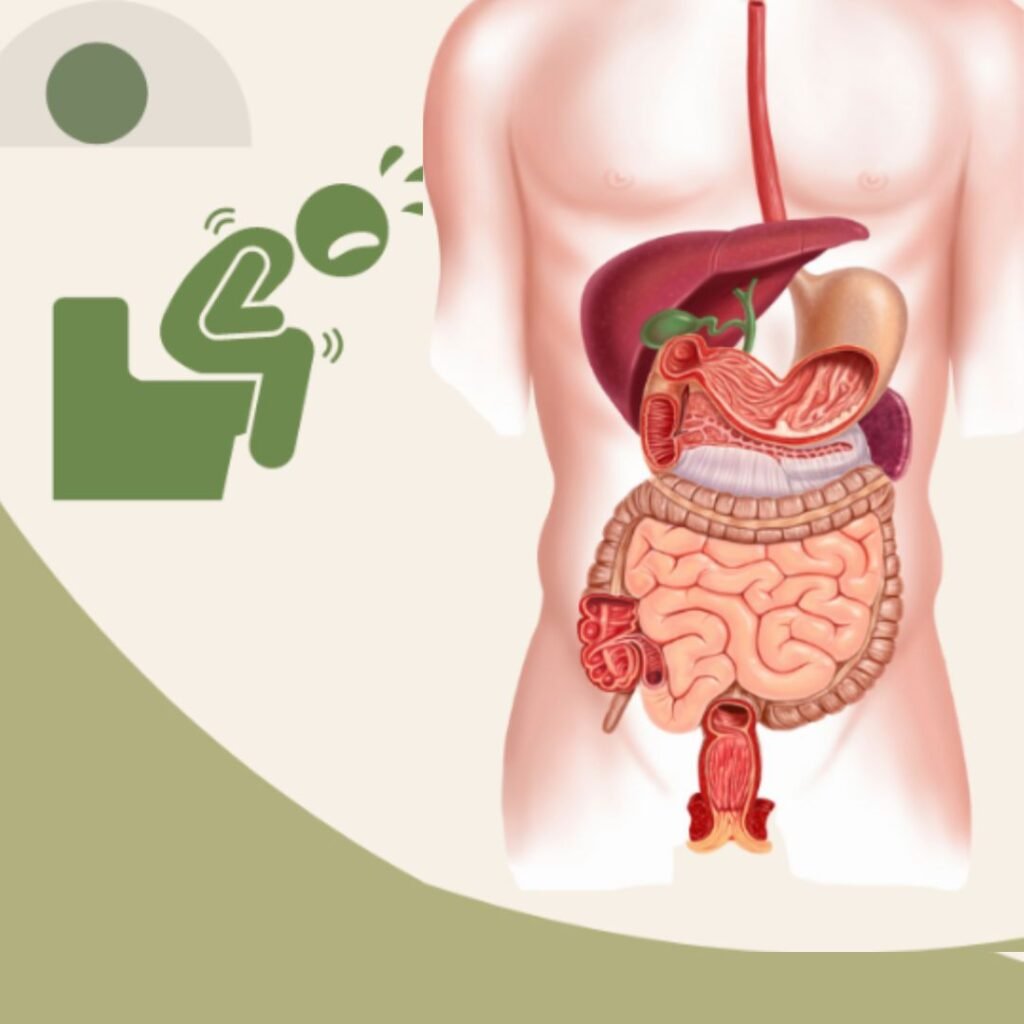
What is Virechana Procedure in Ayurveda (Purgation Therapy Explained)
Virechana is a classical Ayurvedic detoxification method that focuses on eliminating excess Pitta dosha from the body through controlled bowel cleansing. In Ayurveda, purgation therapy plays a key role in removing accumulated toxins (Ama) from the digestive system.
Unlike general detox methods, this approach follows a structured clinical process. It targets the liver, gallbladder, and intestines, where Pitta imbalance often develops and leads to chronic disorders. Because the therapy works at this level, the Virechana treatment benefits tend to be more sustained and clinically meaningful.
How Virechana Therapy Works
Virechana works by loosening and eliminating toxins from the body in a controlled and systematic manner:
- Mobilizes deep-seated toxins from tissues into the digestive tract
- Uses specific herbal formulations to induce therapeutic purgation
- Clears excess Pitta through the intestines
- Restores digestive fire (Agni) and metabolic balance
Why Virechana is Recommended in Ayurveda
Ayurveda considers purgation therapy (Virechana) one of the most effective approaches for conditions where heat, inflammation, and toxin buildup dominate. Ayurveda commonly recommends it because it:
- Targets the root cause, not just symptoms
- Helps reset digestion and metabolism
- Supports natural liver detoxification
- Reduces Pitta-related aggravation in the body
Health Conditions Where Virechana Procedure Helps
Virechana primarily helps when Pitta imbalance and toxin accumulation (Ama) disturb normal body functions, especially in chronic conditions. Many chronic conditions that keep recurring despite medication often have this underlying imbalance. The benefits of Virechana become especially relevant in disorders linked with digestion, liver function, skin health, and metabolism.
Common Conditions Where Virechana Therapy Helps
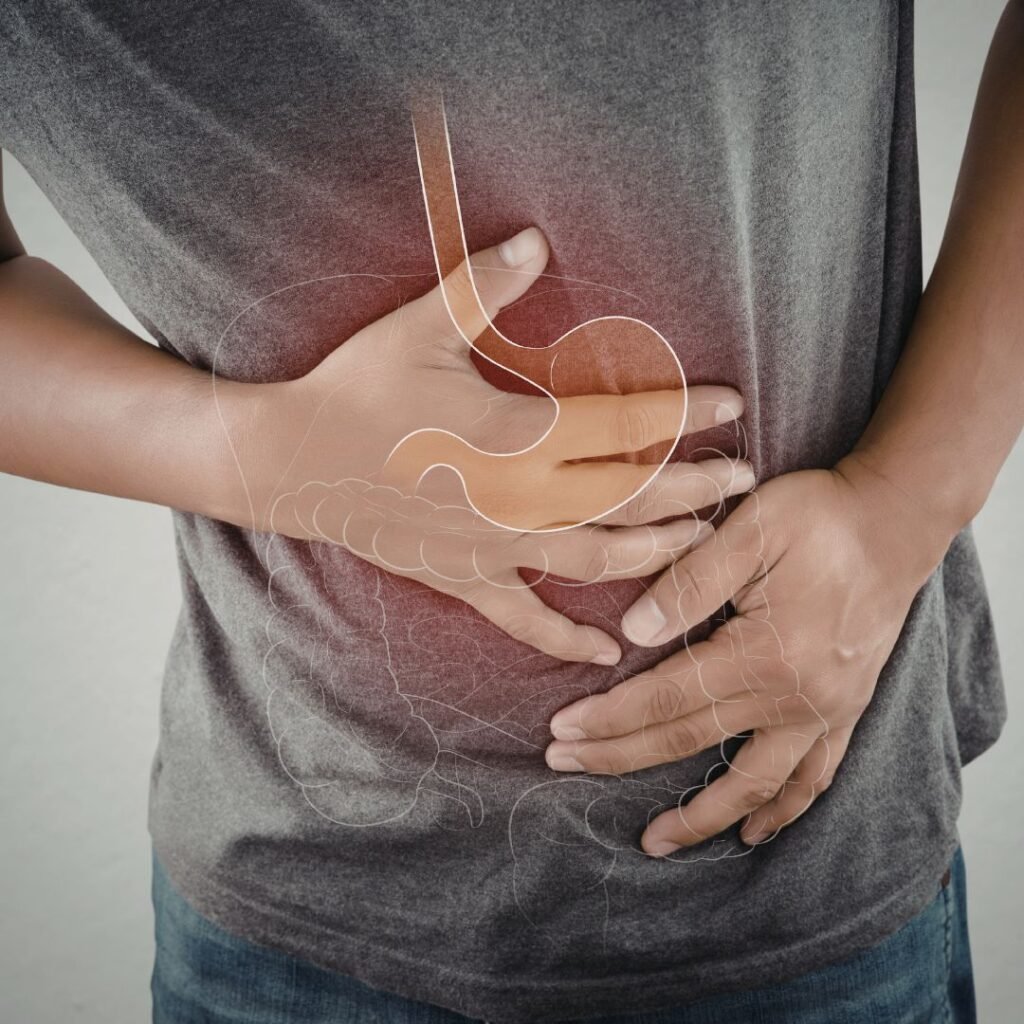
Digestive and Liver Disorders
- Chronic acidity and acid reflux
- Hyperacidity and burning sensation
- Fatty liver and sluggish liver function
- Indigestion and poor metabolism
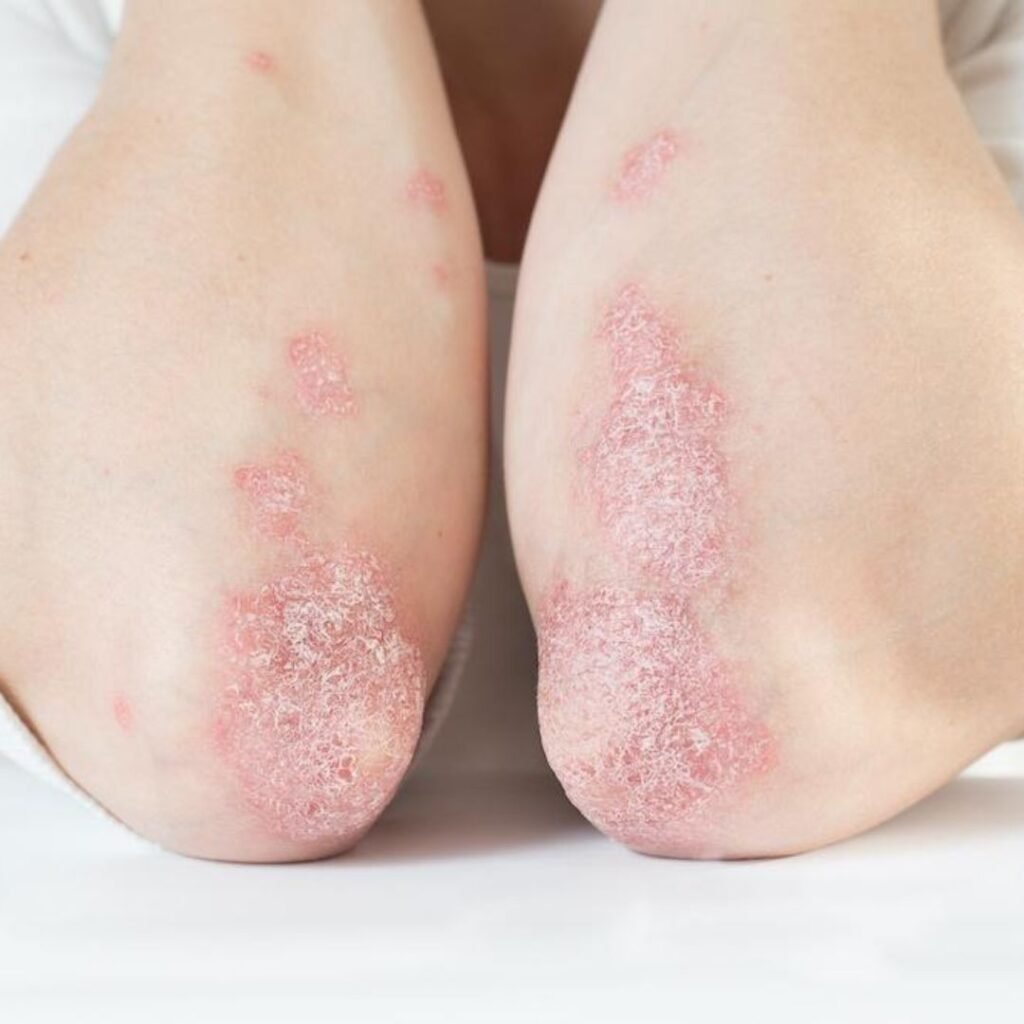
Skin Disorders (Pitta-Dominant Conditions)
- Acne and recurrent breakouts
- Eczema and dermatitis
- Psoriasis
- Skin rashes and inflammation
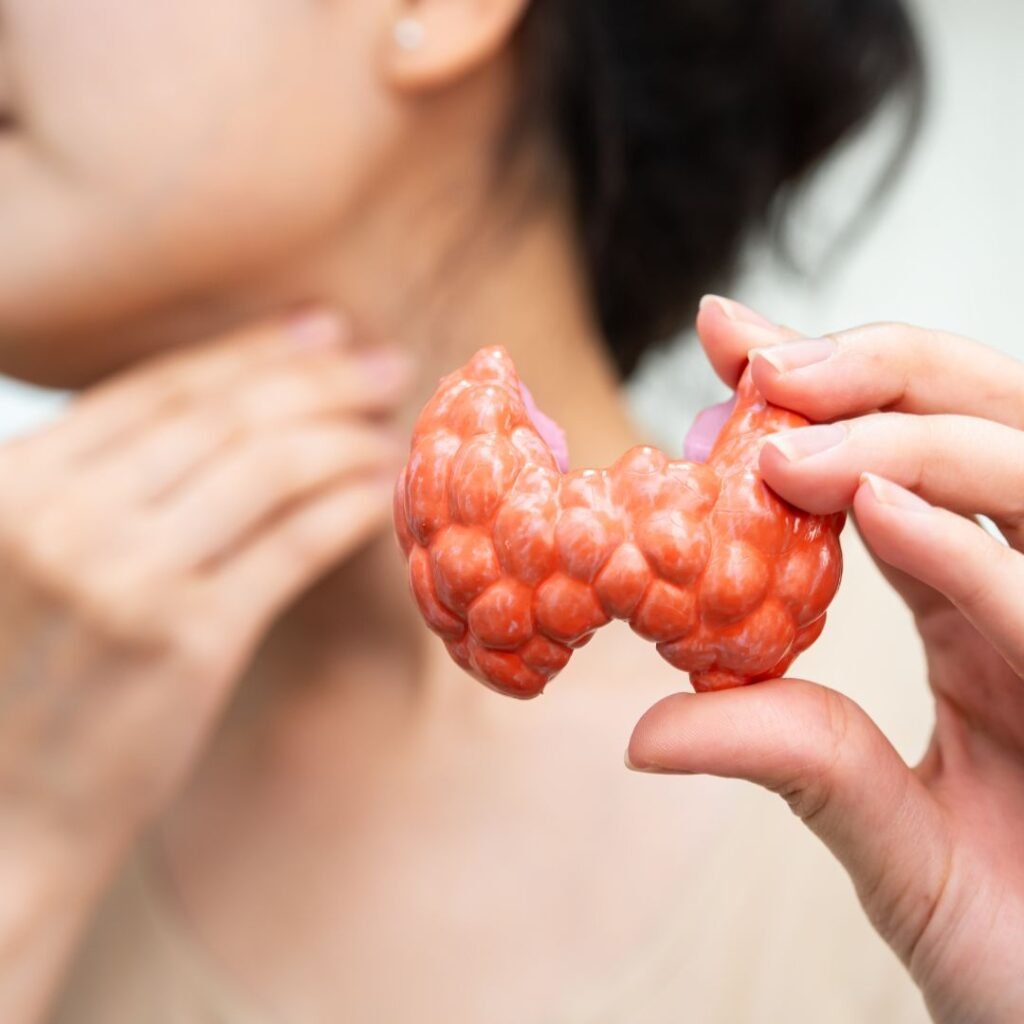
Hormonal and Metabolic Imbalance
- Weight gain linked with poor digestion
- Thyroid imbalance (supportive role)
- PCOS/PCOD (when linked with Pitta imbalance)

Hair and Heat-Related Issues
- Hair fall and premature greying
- Excessive body heat and sweating
- Migraine (especially Pitta-type headaches)
Why These Conditions Respond Well to Virechana Therapy
These conditions often involve the accumulation of toxins (Ama), impaired digestion due to Agni imbalance, and excess heat and inflammation caused by Pitta aggravation. The Virechana procedure directly addresses these factors by cleansing the system and restoring internal balance, which is why practitioners widely use it as a root-cause-oriented Ayurvedic treatment.
Virechana Procedure: Step-by-Step Purgation Therapy Process
The Virechana procedure follows a carefully planned and sequential approach in Ayurveda. It is not a single-day detox but a structured process designed to prepare the body, eliminate toxins effectively, and restore digestion safely.
For best results, follow each stage of the therapy under proper guidance according to the individual’s condition.
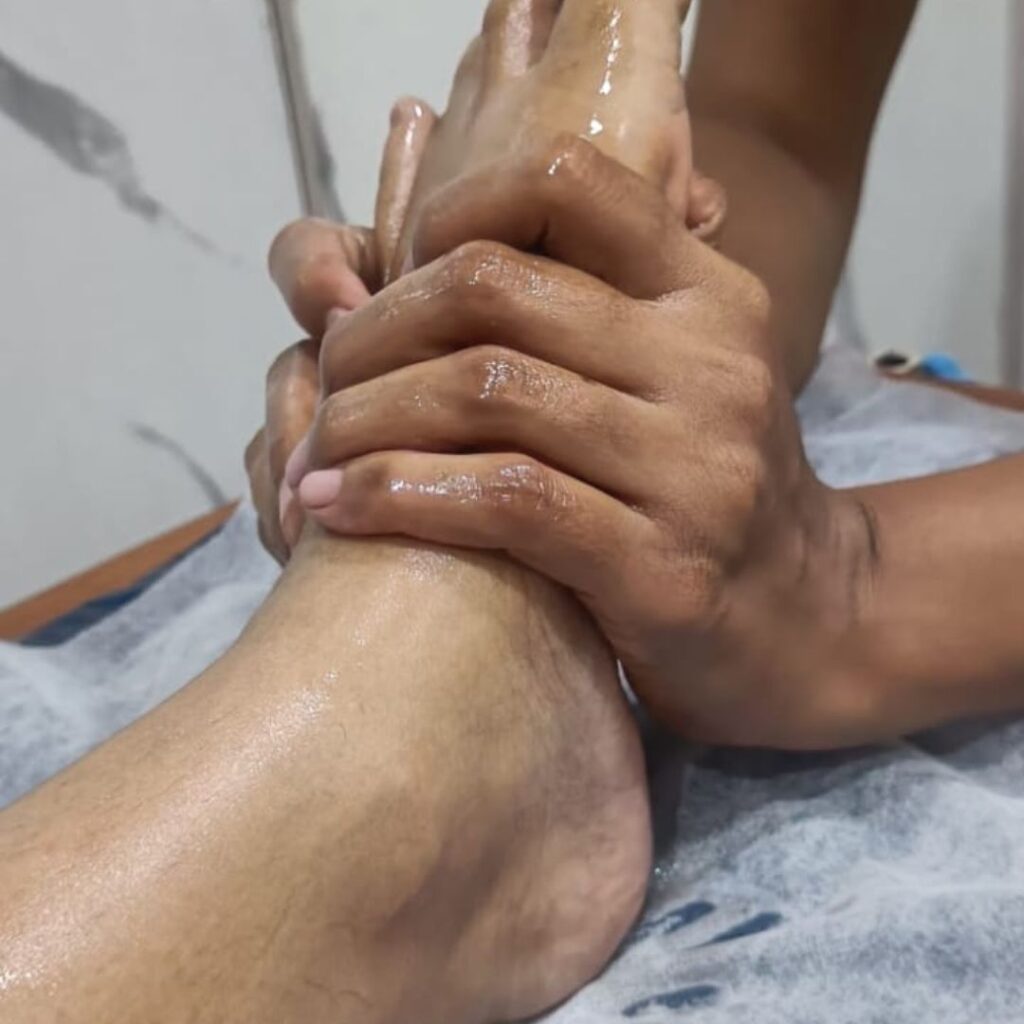

1. Poorva Karma (Preparation Before Virechana Procedure)
This stage prepares the body to ensure that toxins move from deeper tissues into the digestive tract. It includes:
- Snehana (internal oleation): Intake of medicated ghee to loosen toxins
- Abhyanga (external oil massage): Helps mobilize toxins toward the gut
- Swedana (sudation/steam therapy): Opens channels and facilitates toxin movement
This phase plays a crucial role in making the Virechana procedure effective and smooth.

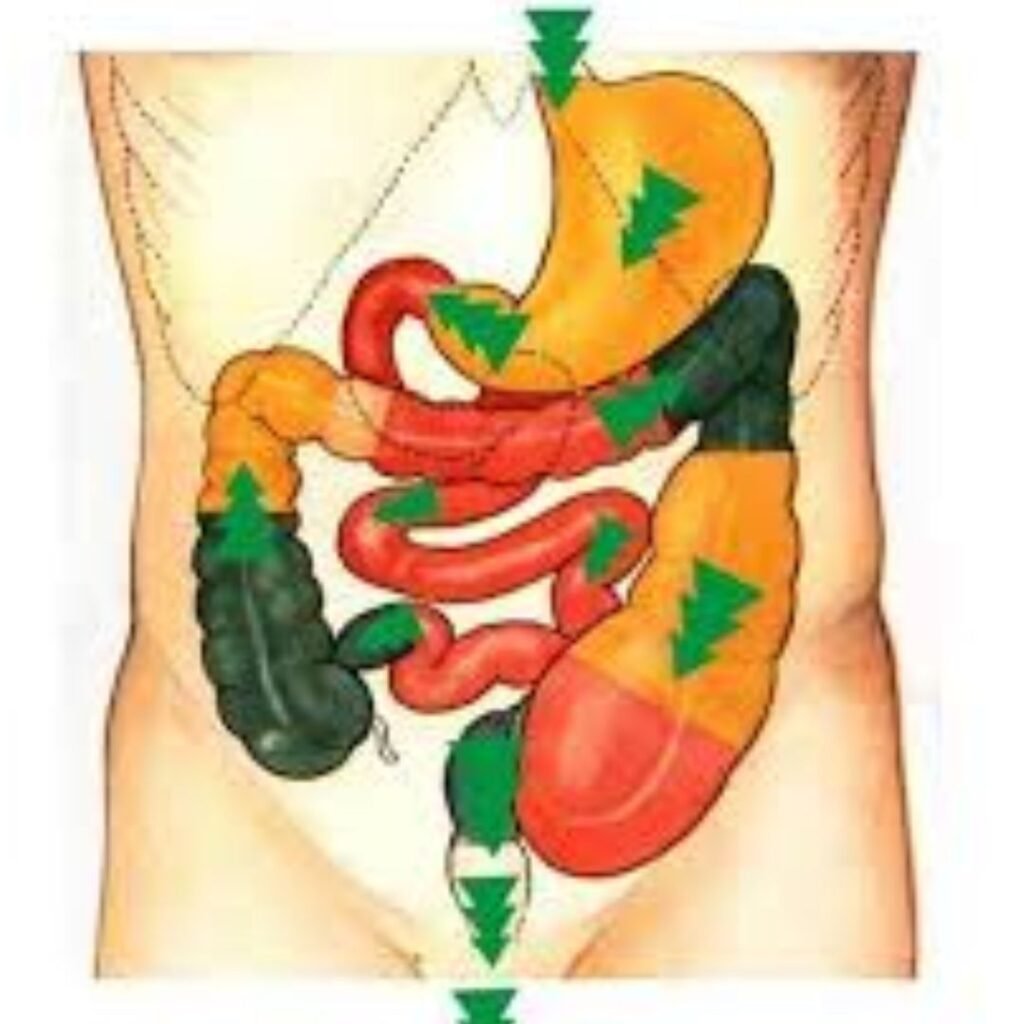
2. Pradhana Karma (Main Virechana Procedure)
This is the core step of purgation therapy, where controlled elimination takes place.
- Specific herbal formulations are administered
- Therapeutic purgation is induced under supervision
- The number of bowel movements is monitored carefully
- The entire process remains controlled and planned
The goal is to eliminate excess Pitta and accumulated toxins (Ama) without causing strain to the body.
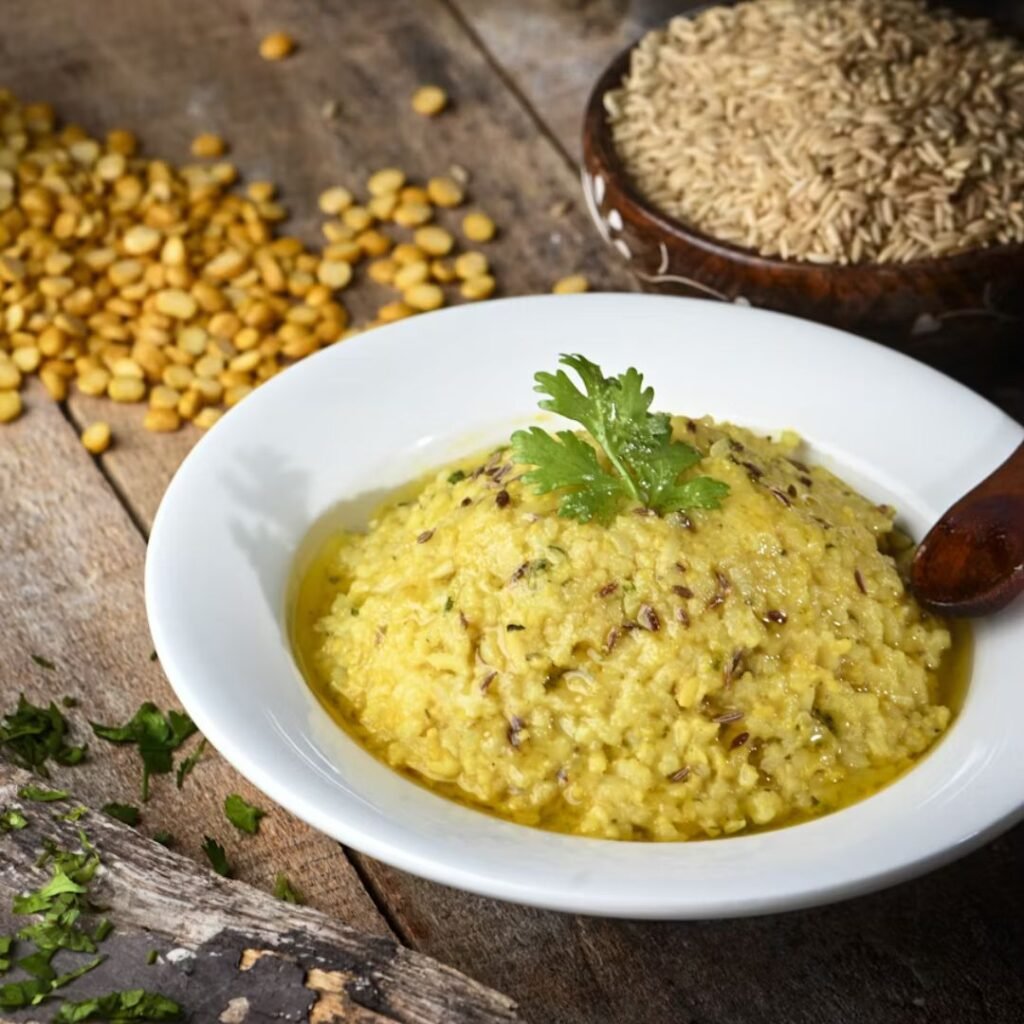

3. Paschat Karma (Post Virechana Procedure Care)
After the main procedure, the body requires gradual recovery and stabilization.
This stage includes:
- Samsarjana Krama (specific diet protocol): Gradual reintroduction of food
- Digestive fire (Agni) restoration
- Lifestyle and dietary guidance
Additionally, proper post-care helps sustain the benefits of Virechana for a longer duration.
Why Proper Virechana Procedure Matters
A well-planned approach ensures effective removal of toxins without complications, supports better digestion and metabolism, and provides long-lasting results rather than temporary relief. However, improper or unsupervised purgation can disturb the body’s balance, which is why a guided treatment approach remains essential.
Virechana Treatment Benefits According to Ayurveda
Ayurveda describes Virechana (purgation therapy) as a primary approach for eliminating aggravated Pitta and clearing accumulated toxins (Ama) from the body. The benefits of Virechana extend beyond bowel cleansing, as this procedure supports digestion, liver function, metabolism, and internal balance at a deeper level.

Pitta Shodhana (Elimination of Excess Pitta)
One of the key benefits of Virechana is its role in eliminating aggravated Pitta from the body. This becomes especially relevant in conditions associated with heat, inflammation, burning sensations, and skin disorders.

Yakrit Shuddhi (Liver Support and Detoxification)
The Virechana procedure directly influences the liver and gallbladder, important sites of Pitta. It helps support natural detoxification processes and improves liver function in a regulated manner.
Agni Deepana (Improvement in Digestive Fire)
Virechana helps correct impaired Agni (digestive fire) by removing metabolic waste (Ama). As digestion improves, symptoms like acidity, heaviness, and irregular appetite may gradually reduce.
Ama Pachana (Reduction of Toxin Accumulation)
Accumulated toxins interfere with normal body functions. Purgation therapy supports the elimination of Ama, which in turn helps improve metabolic efficiency and overall internal balance.

Twak Prasadana (Support for Skin Health)
Pitta aggravation and toxin buildup contribute to many skin conditions. The Virechana treatment benefits include improvement in skin clarity, reduction in inflammation, and better management of chronic skin conditions.
Kostha Shuddhi (Intestinal Cleansing and Regulation)
Virechana helps cleanse the intestines in a controlled manner and supports better bowel regulation. This contributes to improved elimination and reduced digestive discomfort.

Roga Shamana (Reduction in Recurring Symptoms)
Virechana often helps in chronic and recurring conditions where underlying imbalance persists despite treatment. By addressing the root factors, it helps reduce the frequency, intensity, and recurrence of symptoms over time.
Meda and Metabolic Regulation (Support for Weight Balance)
Virechana treatment benefits often include support for metabolic balance. By improving digestion and reducing Ama, it helps create a foundation for better weight regulation.

Sharirika Laghava and Manasika Prasannata (Lightness and Mental Clarity)
After a properly guided Virechana procedure, individuals often experience a sense of lightness in the body along with improved mental clarity, indicating better internal balance.
Virechana Treatment for Weight Loss: A Root-Cause Ayurvedic Approach
If you have been trying to manage your weight but still experience bloating, heaviness, or a feeling that your digestion is not working the way it should, you are not alone. In many cases, weight gain involves impaired digestion (Agni), toxin accumulation (Ama), and metabolic imbalance—not just diet.
Therefore, Virechana treatment for weight loss works differently. Instead of focusing on quick reduction, the therapy works by correcting internal processes that influence metabolism and digestion.
How Virechana Procedure Supports Weight Balance
Improves Digestive Efficiency (Agni Support)
Helps strengthen digestion so that food is processed and utilized more effectively instead of getting converted into toxins.
Reduces Toxin Load (Ama Reduction)
Clears accumulated metabolic waste that slows down metabolism and contributes to heaviness.
Supports Liver Function
Enhances liver activity, which plays a key role in regulating fat metabolism and overall metabolic balance.

Helps Regulate Appetite and Metabolism
Supports better hunger signals and reduces irregular eating patterns linked with poor digestion.
As these functions improve, many individuals notice better digestion, reduced bloating, improved energy, and a gradual sense of lightness. These changes reflect how Virechana treatment for weight loss supports sustainable metabolic balance rather than temporary reduction. The results of Virechana treatment for weight loss depend on your body constitution, existing health condition, and consistency with the recommended protocol, which is why proper guidance becomes important.
Can Virechana Treatment at Home Be Done Safely?
Many people search for Virechana treatment at home when looking for a natural way to detox or manage chronic conditions. While the intention is understandable, Virechana does not work as a simple home-based remedy.
The therapy follows a structured Ayurvedic process that involves proper preparation, individualized medicine selection, and post-therapy care to ensure safe and effective purgation. However, attempting Virechana treatment at home without proper guidance may not give the desired outcome.
Since each individual responds differently based on their Prakriti (body constitution), current imbalance, and overall capacity, treatment requires personalized selection of medicines, dosage, and timing rather than generalization.
Consulting a qualified Ayurvedic doctor is essential to determine suitability, plan the process correctly, and follow necessary precautions. Even with remote guidance, maintaining the principles of purgation therapy ensures the approach remains safe and effective.
Virechana Treatment Side Effects and Safety of Purgation Therapy
When done correctly, this therapy provides a safe and well-structured approach to eliminating excess Pitta and toxins. However, like any therapeutic process, its safety depends on proper planning, individual suitability, and professional supervision.
The idea is not to force elimination, but to guide the body through a controlled and balanced purgation therapy process.
Understanding Virechana Treatment Side Effects
In a properly guided setting, Virechana is designed to remain comfortable and manageable. However, if the process is not planned correctly or done without supervision, temporary effects may occur. These may include:
- Mild weakness or fatigue
- Dehydration if fluid balance is not maintained
- Temporary digestive sensitivity
- Excessive purgation if dosage is not appropriate
In such cases, these are not typical outcomes but can occur when the process does not properly consider individual factors.
How Safety is Ensured in Virechana Procedure
The safety of this process depends on following classical Ayurvedic principles:
- Proper assessment of body type and condition
- Step-by-step preparation before the main procedure
- Controlled administration of medicines
- Monitoring during the purgation phase
- Guided post-therapy diet and recovery
Overall, these steps help deliver the benefits of Virechana while minimizing unnecessary strain on the body.
Why Choose DNAveda for Virechana Procedure
Choosing the right place is as important as the therapy itself. Since this therapy involves proper planning, preparation, and follow-up care, the approach should remain individualized rather than standardized.
At DNAveda, the focus remains on understanding the root cause, body constitution, and specific health concerns before planning Virechana. Therefore, this approach ensures the procedure does not become a routine detox, but as a carefully guided and personalized Ayurvedic process designed for safety, relevance, and long-term effectiveness.

Personalized Assessment Before the Therapy
Each individual is evaluated based on Prakriti (body constitution), current imbalance, and overall strength before planning the therapy.

Focus on Root-Cause Healing
Instead of addressing only symptoms, the approach aims to correct underlying imbalances related to digestion, metabolism, and Pitta aggravation.

Post-Therapy Guidance for Sustained Results
Diet, lifestyle, and recovery protocols are guided to help maintain the results and support long-term balance.

Structured and Classical Approach
The Virechana procedure is carried out step-by-step, including preparation, main procedure, and post-therapy care, in alignment with Ayurvedic principles.

Supervised and Controlled Procedure
The therapy is planned and monitored carefully to ensure that the process remains safe, balanced, and appropriate for the individual.

Consultation Support Across India
Individuals can consult and understand whether Virechana is suitable for their condition and how the procedure should be planned, even before starting.
Considering Virechana Procedure for Your Condition?
Virechana is not selected as a general detox. Its suitability depends on factors like your current imbalance, digestive capacity (Agni), overall strength, and the nature of your symptoms.
Choosing purgation therapy without proper understanding may not give the desired outcome, which is why an individualized Ayurvedic assessment becomes important before planning the procedure.
At DNAveda, Virechana is approached as a condition-specific and carefully guided process, so that the therapy aligns with your body and supports meaningful results.
Frequently Asked Questions (FAQs)
What is Virechana and how does purgation therapy work?
Virechana, also known as purgation therapy, is an Ayurvedic detox method that eliminates excess Pitta and toxins through controlled bowel cleansing. It helps improve digestion, metabolism, and overall internal balance.
How is the Virechana procedure done?
The Virechana procedure is performed in three stages—preparation, main elimination, and post-therapy care. Each stage is planned carefully to ensure safe and effective cleansing.
How many days does the Virechana procedure take?
The Virechana procedure usually takes a few days, including preparation and recovery. The duration depends on your condition, digestive strength, and response to the therapy.
What happens after Virechana treatment?
After Virechana, the body enters a recovery phase where digestion is gradually restored through a specific diet. Many individuals experience improved digestion, reduced symptoms, and the overall Virechana treatment benefits over time.
How do you know if Virechana is successful?
Virechana is considered effective when digestion improves, symptoms reduce, and the body feels lighter and more balanced. These outcomes reflect the expected benefits of Virechana.
How many bowel movements occur during the Virechana procedure?
The number of bowel movements during the Virechana procedure varies from person to person. It is monitored carefully to ensure the process remains controlled and appropriate.
What diet should be followed after Virechana treatment?
After the therapy, a gradual diet plan is followed, starting with light and easily digestible foods. This helps restore digestion and supports the full Virechana treatment benefits.
What food should be avoided during purgation therapy?
During purgation therapy, heavy, oily, spicy, and difficult-to-digest foods are avoided. A simple and controlled diet supports better cleansing, digestion, and recovery.
Can Virechana treatment be done at home?
Virechana treatment at home is not recommended without proper guidance. The therapy requires preparation, individualized planning, and monitoring, which should be done under an Ayurvedic doctor to ensure safety and effectiveness.
Is Virechana treatment safe?
Virechana is generally safe when performed under proper guidance. The safety of the Virechana procedure depends on correct assessment, preparation, and monitoring, which helps ensure a controlled and balanced process.
Does Virechana treatment help in weight loss?
Virechana treatment for weight loss supports digestion and metabolism rather than causing rapid reduction. It helps create a stable internal environment that supports sustainable weight balance over time.
What are the main Virechana treatment benefits?
The Virechana treatment benefits include improved digestion, better liver function, reduced inflammation, clearer skin, and overall metabolic balance when the therapy is properly planned.
Can I drink coconut water after Virechana?
After Virechana, fluids like coconut water may be included gradually based on your recovery stage. It is best to follow guidance to ensure proper digestion and avoid disturbing the process.
How does purgation therapy support detoxification?
Purgation therapy helps eliminate accumulated toxins (Ama) and excess Pitta from the body. This supports better digestion, improves metabolic function, and helps restore internal balance.
Address
D58, near Kaushambi Metro Station, Anand Vihar, Kaushambi, Ghaziabad, Uttar Pradesh 201010
Call Us
+919625554890
Email Us
ayurvedadna@gmail.com