Fatty Liver, Cirrhosis & Jaundice: Ayurvedic Treatment & Liver Health Support
The liver is one of the body’s most important organs, responsible for digestion, metabolism, bile production, nutrient processing, and natural detoxification. When liver function becomes affected, conditions such as Fatty Liver Disease, Liver Cirrhosis, and Jaundice may develop and gradually impact overall health.
Modern lifestyle factors including obesity, poor dietary habits, physical inactivity, metabolic disorders, and excessive alcohol consumption have contributed to a rising prevalence of liver disorders. Many liver conditions develop silently and may remain undetected until routine investigations reveal abnormalities.
According to Ayurveda, healthy digestion (Agni), balanced Pitta Dosha, and proper metabolic function are essential for maintaining liver health. Understanding liver disorders at an early stage can help individuals make informed decisions regarding lifestyle, diet, and overall health management.
What Are Liver Disorders?
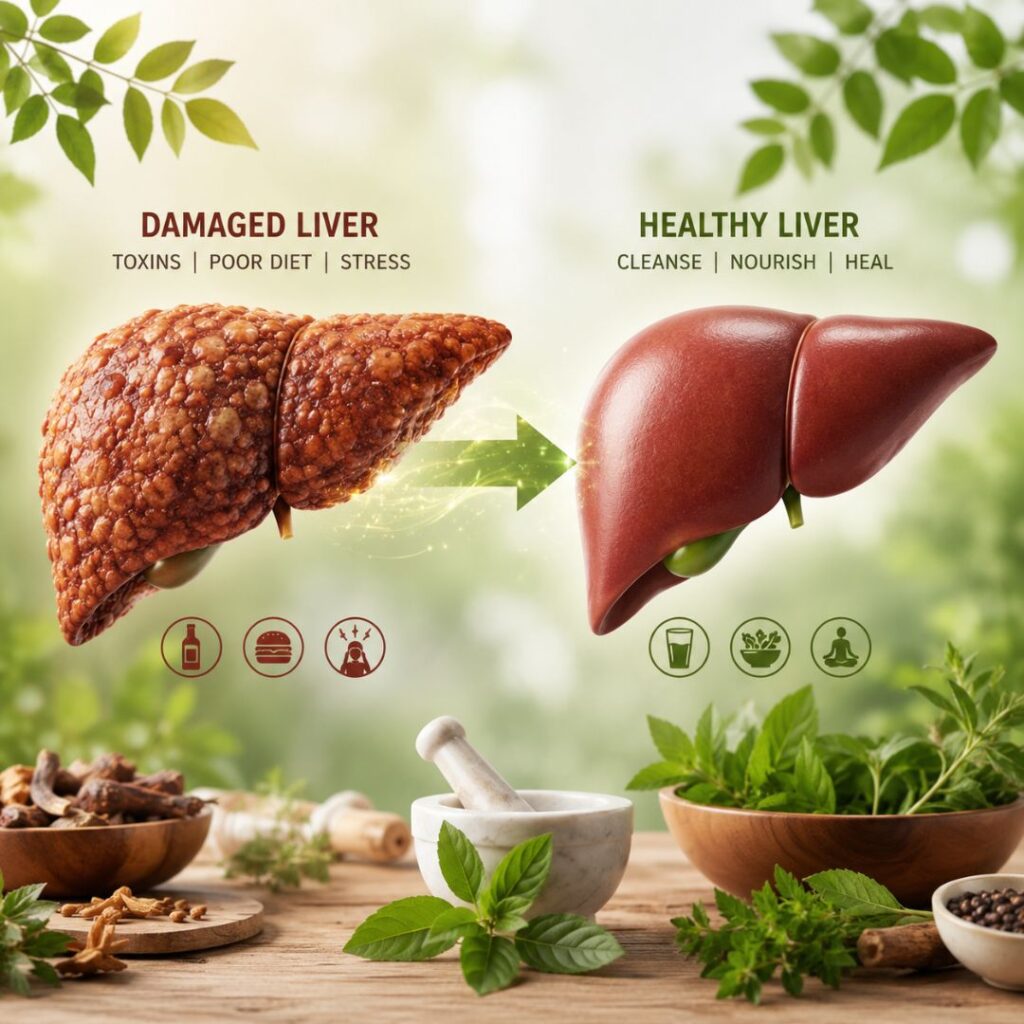
Liver disorders are conditions that affect the structure, function, or overall health of the liver. The liver performs several important tasks, including processing nutrients, producing bile for digestion, storing energy, and helping the body eliminate waste products. When liver function becomes impaired, it can affect multiple systems within the body and lead to a variety of health concerns.
Liver disorders may develop due to factors such as unhealthy dietary habits, obesity, excessive alcohol consumption, viral infections, metabolic disorders, certain medications, and long-term inflammation. Depending on the underlying cause and severity, liver conditions can range from mild and reversible changes to more advanced stages that require timely medical attention.
Some of the most commonly encountered liver disorders include Fatty Liver Disease, Non-Alcoholic Fatty Liver Disease (NAFLD), Liver Cirrhosis, and Jaundice. Early recognition of symptoms and appropriate management may help support liver health and reduce the risk of complications.
Understanding Fatty Liver Disease, Cirrhosis & Jaundice
Fatty Liver Disease, Liver Cirrhosis, and Jaundice are among the most commonly encountered liver-related conditions. While they differ in their causes and severity, all three can affect normal liver function and overall health. Understanding these conditions can help individuals recognize potential warning signs and seek timely guidance when needed.
Fatty Liver Disease
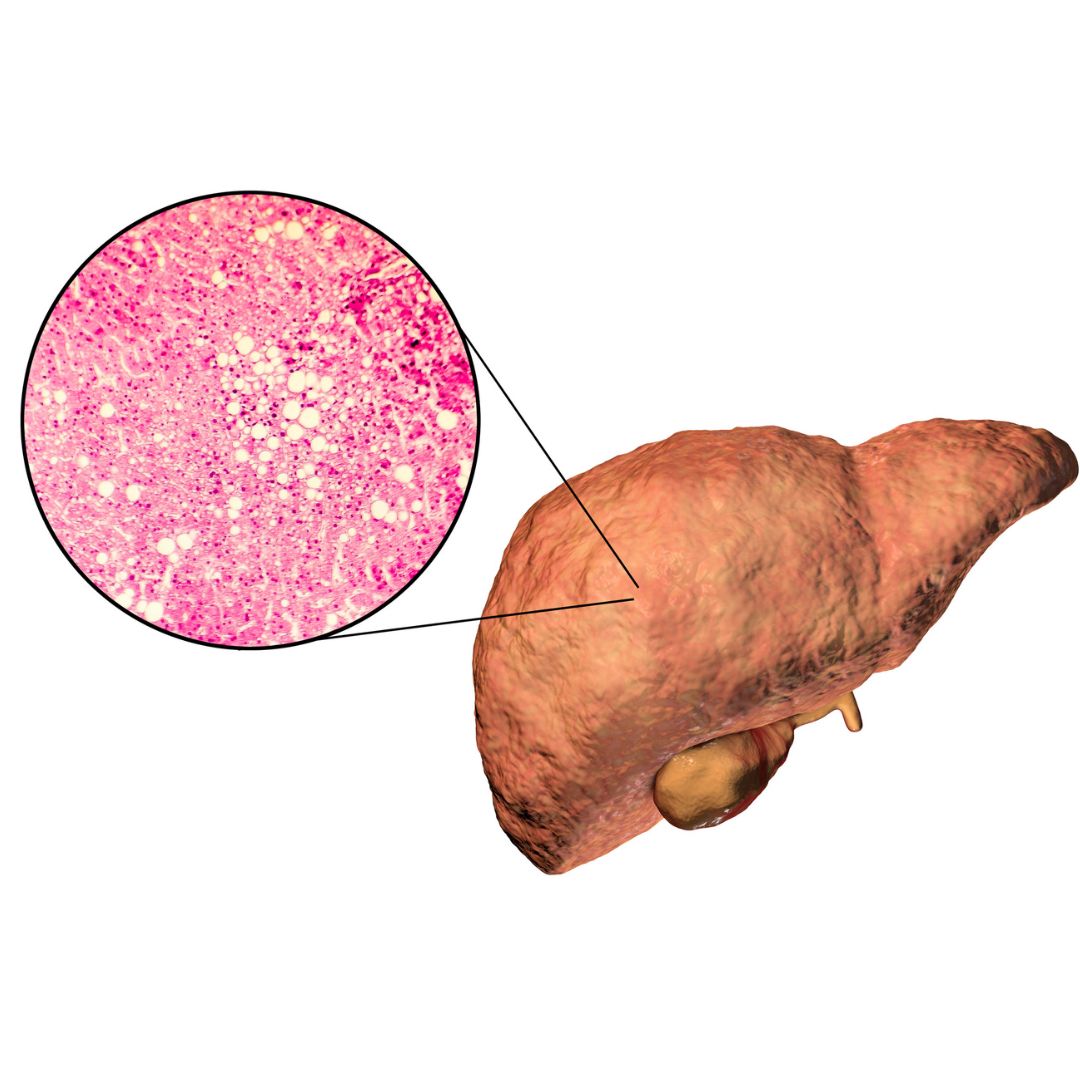
Fatty Liver Disease develops when excess fat begins to accumulate in the liver. In many cases, the condition progresses silently, and individuals often become aware of it only during routine health check-ups or ultrasound examinations.
Fatty liver can occur in people who consume alcohol regularly as well as in those who consume little or no alcohol. Non-Alcoholic Fatty Liver Disease (NAFLD) is increasingly being seen alongside obesity, insulin resistance, Type 2 diabetes, and other metabolic health concerns. If left unaddressed, excess fat accumulation may gradually affect liver function and increase the likelihood of liver-related complications.
Liver Cirrhosis
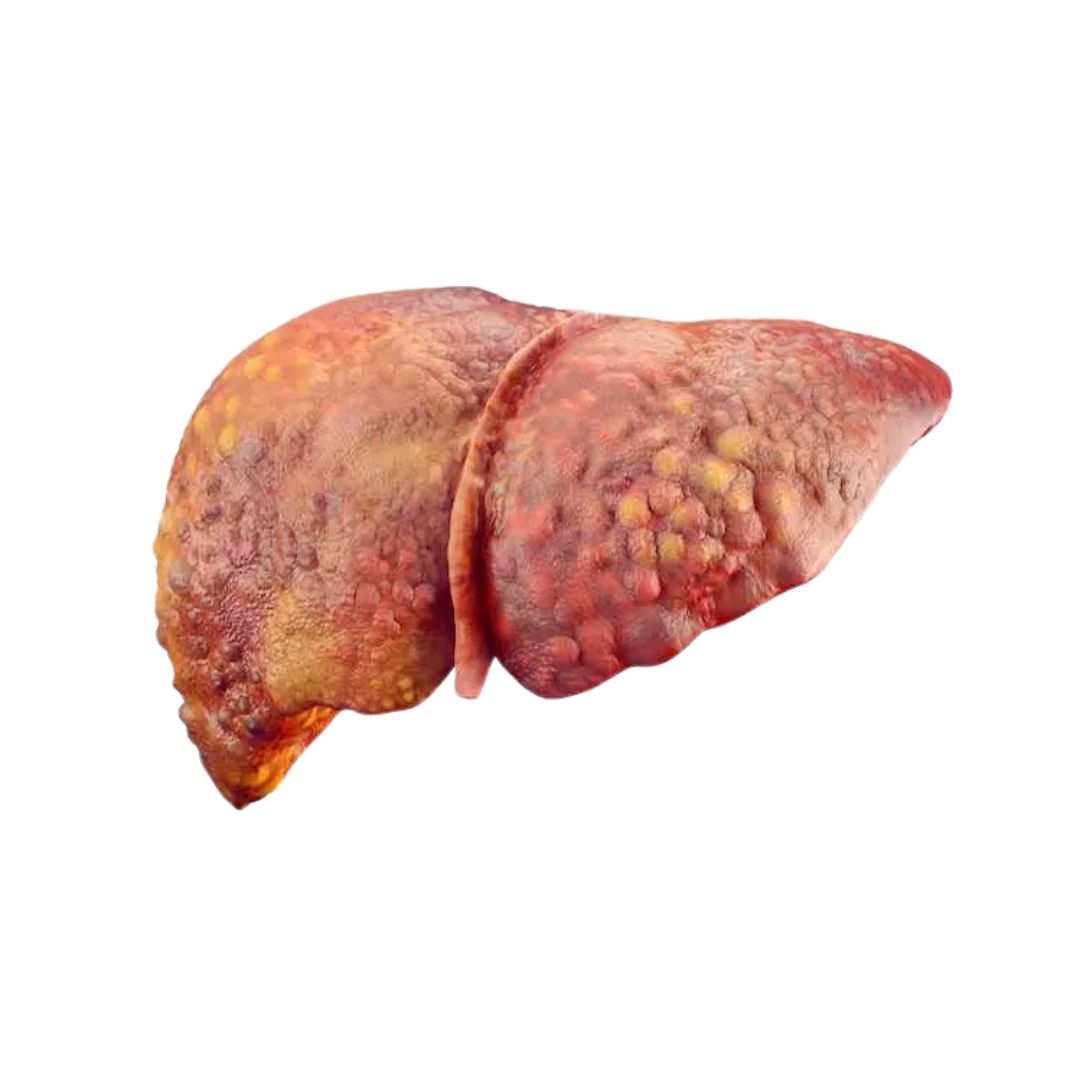
Liver Cirrhosis develops when long-term liver damage leads to the gradual replacement of healthy liver tissue with scar tissue, which can affect normal liver function. As healthy liver cells are gradually replaced by scar tissue, the liver’s ability to perform its essential functions may become impaired. Cirrhosis typically develops over time and is often associated with long-standing liver damage.
Early recognition and appropriate management are important to help slow disease progression and support liver health.
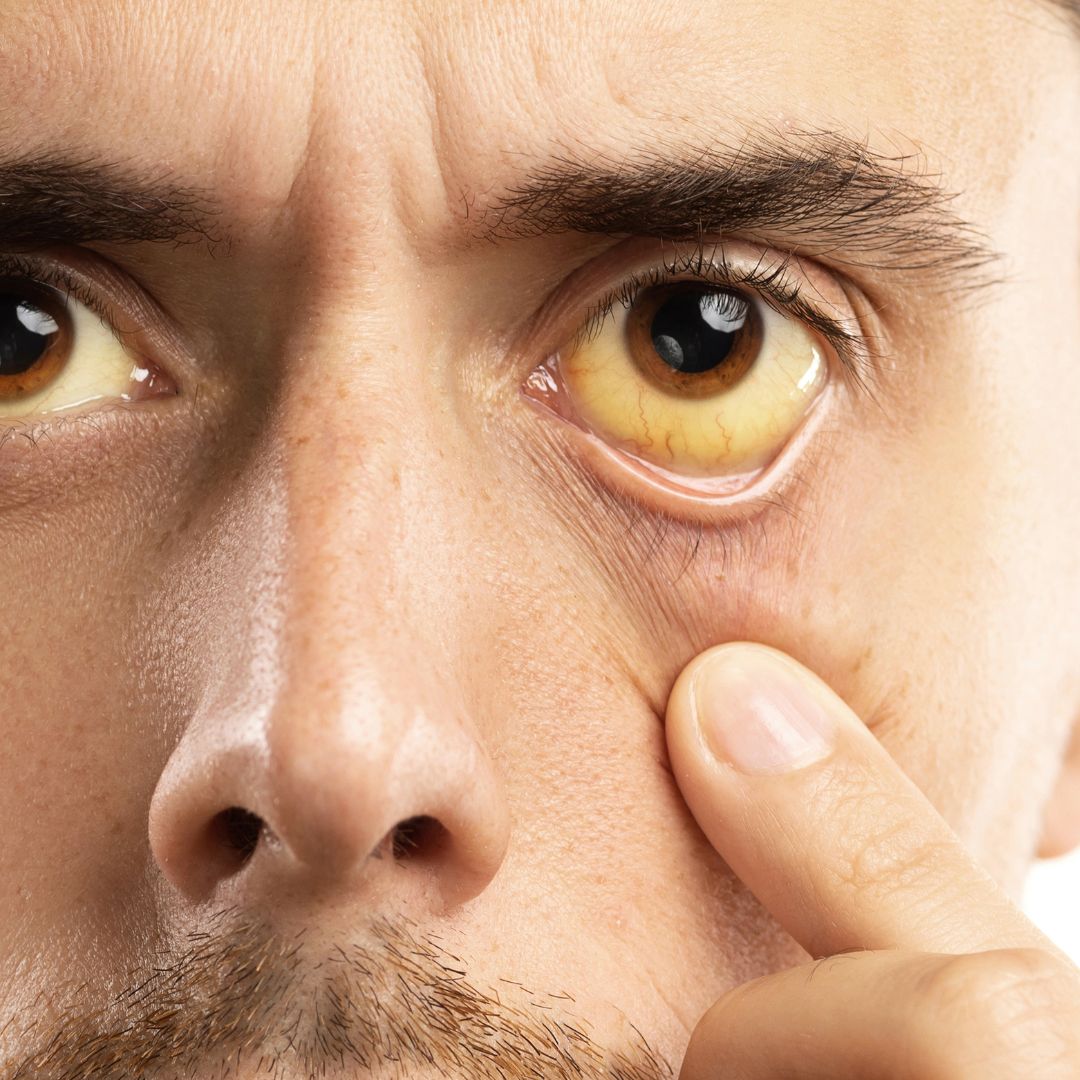
Jaundice
Jaundice is a condition marked by the yellowing of the skin, eyes, and mucous membranes due to an increase in bilirubin levels in the blood. Rather than being a disease itself, jaundice is often a sign of an underlying liver, gallbladder, or bile duct disorder.
The appearance of jaundice may indicate that the body’s normal processing and elimination of bilirubin has been affected, making timely evaluation important. As jaundice may be linked to different liver and biliary conditions, many individuals seek Ayurvedic guidance alongside medical evaluation to support overall liver health.
Symptoms of Liver Disorders
The symptoms of liver disorders can vary depending on the condition and its severity. While some individuals may experience noticeable symptoms, others may remain symptom-free during the early stages.
Symptoms of Fatty Liver Disease

Persistent fatigue or low energy levels

Abdominal heaviness or discomfort
Bloating and digestive disturbances

Loss of appetite

General weakness

Feeling unwell without an obvious cause
Symptoms of Liver Cirrhosis
Persistent fatigue and weakness
Reduced appetite

Unexplained weight loss
Swelling in the legs or ankles
Abdominal swelling

Easy bruising or bleeding
Symptoms of Jaundice

Yellowing of the skin and eyes
Dark-colored urine
Pale-colored stools
Fatigue and weakness
Loss of appetite

Itching in some individuals
Causes & Risk Factors of Liver Disorders
Liver disorders can develop due to a combination of lifestyle, metabolic, infectious, and environmental factors. Identifying the factors affecting liver health can help guide appropriate lifestyle, dietary, and treatment decisions.
Fatty Liver Disease
Metabolic Health Concerns
Obesity, insulin resistance, Type 2 diabetes, and abnormal cholesterol levels are major risk factors for Fatty Liver Disease. These conditions can contribute to excess fat accumulation in the liver.
Unhealthy Dietary Habits
Frequent consumption of processed foods, refined sugars, sugary beverages, and high-fat meals may increase the risk of Fatty Liver Disease, especially when combined with physical inactivity.

Physical Inactivity
Lack of regular physical activity can contribute to weight gain, metabolic imbalance, and reduced fat metabolism. These factors may increase the risk of Non-Alcoholic Fatty Liver Disease (NAFLD).
Excessive Alcohol Consumption
Frequent or long-term alcohol consumption can damage liver cells and stress the liver. Over time, this may contribute to Alcoholic Fatty Liver Disease and other liver-related complications.
Liver Cirrhosis
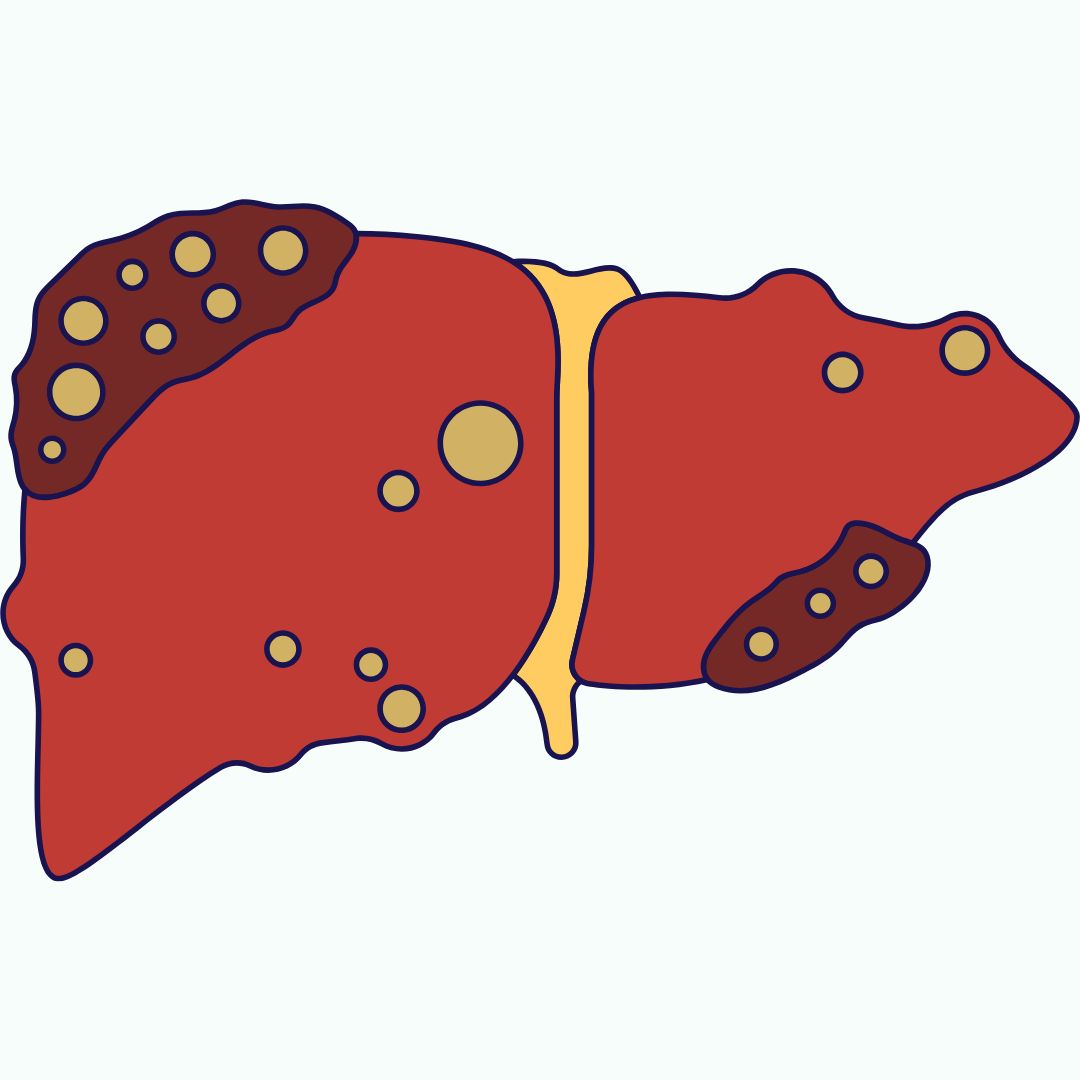
Chronic Liver Damage
Cirrhosis generally develops when the liver undergoes repeated injury and inflammation over an extended period, causing healthy tissue to be gradually replaced by scar tissue.
Long-Standing Liver Conditions
Untreated or poorly managed liver disorders, including Fatty Liver Disease, chronic hepatitis, and liver inflammation, may increase the risk of cirrhosis over time.
Alcohol-Related Liver Injury
Prolonged excessive alcohol consumption remains one of the leading contributors to Liver Cirrhosis worldwide.

Autoimmune and Metabolic Disorders
Certain autoimmune conditions and inherited metabolic disorders can also affect liver health and contribute to progressive liver damage.
Jaundice
Elevated Bilirubin Levels
Jaundice develops when bilirubin accumulates in the bloodstream faster than the body can process and eliminate it.
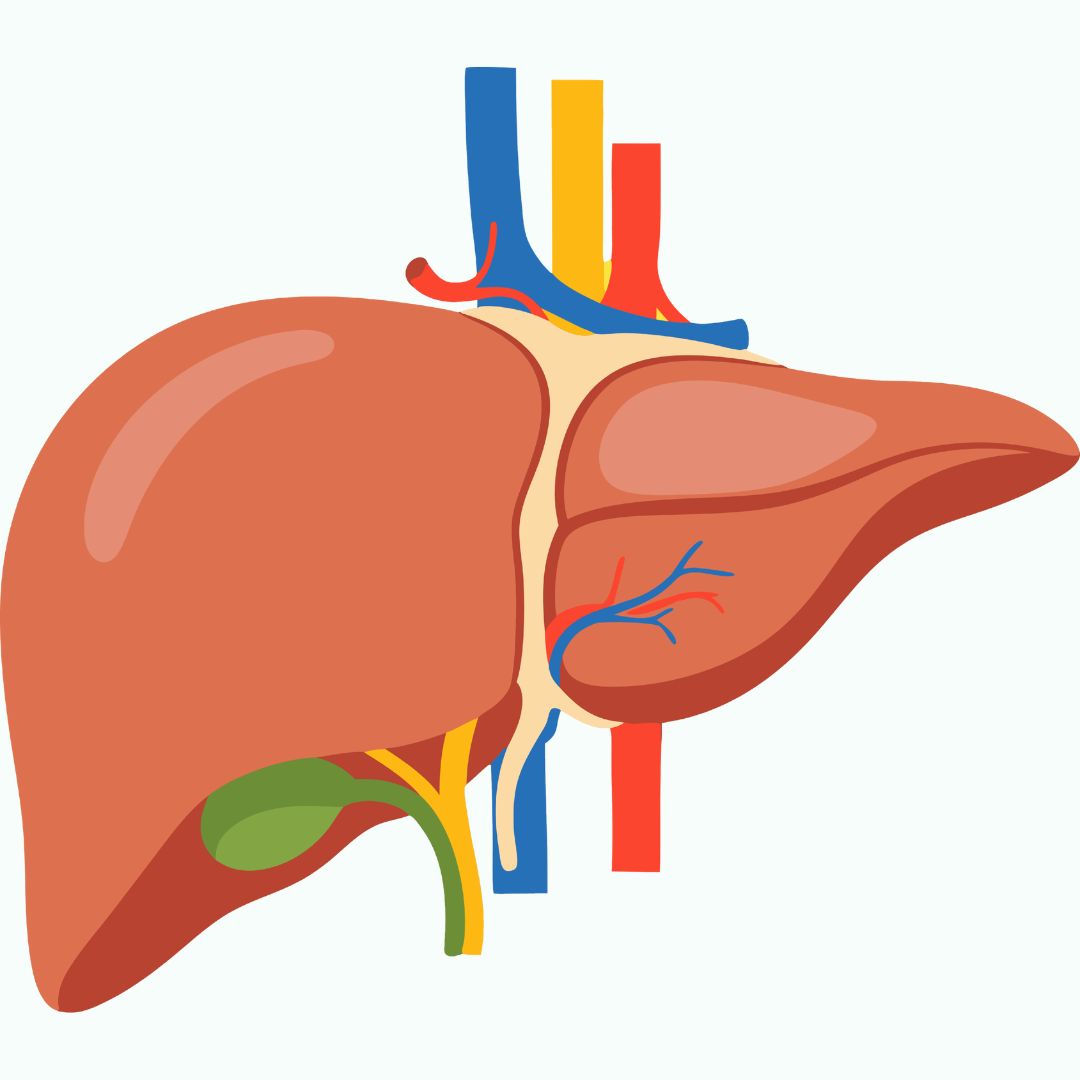
Liver and Bile Duct Disorders
Conditions affecting the liver, gallbladder, or bile ducts may interfere with the normal processing and elimination of bilirubin.

Infections and Inflammation
Certain infections, including viral hepatitis, can impair liver function and contribute to the development of jaundice.
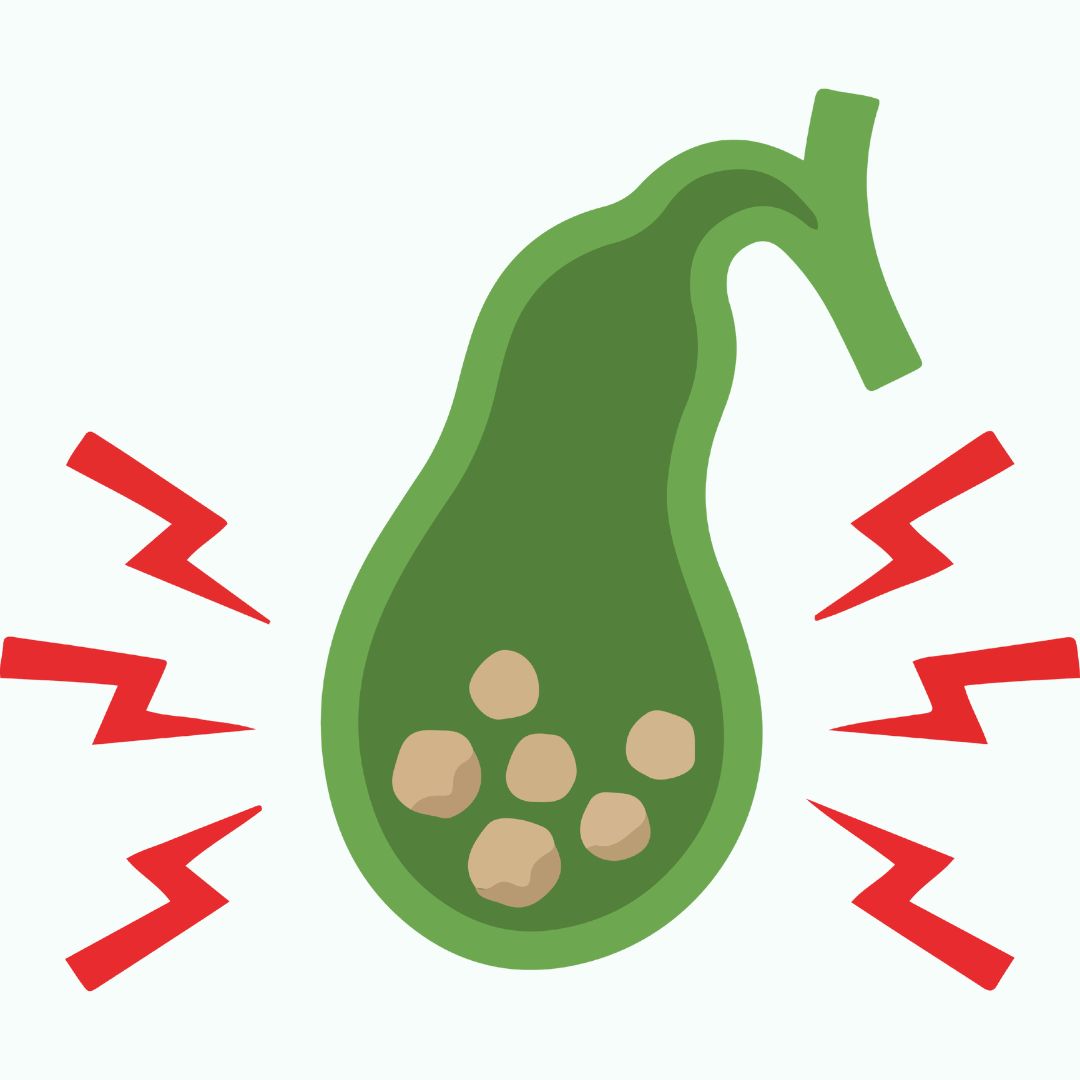
Gallstones and Biliary Obstruction
Blockages within the bile ducts may prevent bile from flowing normally, leading to bilirubin buildup and yellowing of the skin and eyes.
Stages of Fatty Liver Disease
Fatty Liver Disease does not develop overnight. In many individuals, it progresses gradually over time. Understanding the different stages of fatty liver can help patients recognize the importance of early intervention and appropriate lifestyle modifications.
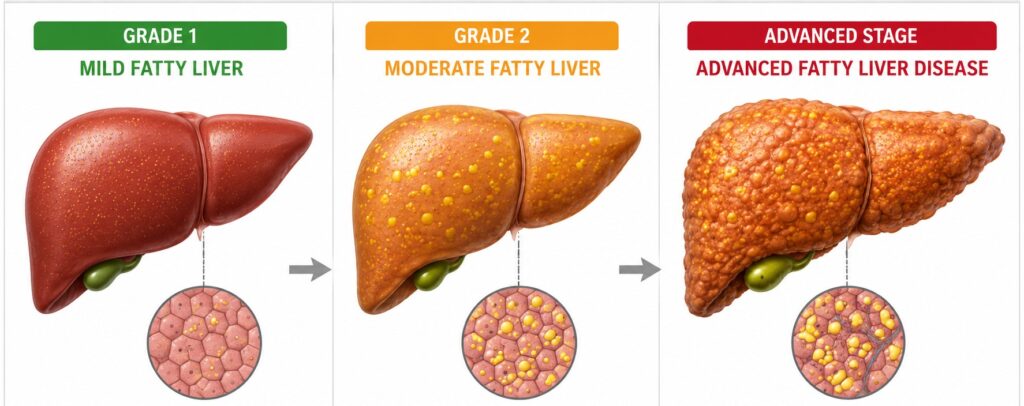
Grade 1 Fatty Liver (Mild Fatty Liver)
This is the earliest stage of fatty liver disease, where a small amount of fat begins to accumulate within the liver cells. Most individuals do not experience noticeable symptoms at this stage, and the condition is often detected incidentally during routine health check-ups or ultrasound examinations.
With timely dietary and lifestyle changes, liver health can often be effectively supported during this stage.
Grade 2 Fatty Liver (Moderate Fatty Liver)
In Grade 2 Fatty Liver, fat accumulation becomes more pronounced and may begin to affect normal liver function. Some individuals may experience fatigue, abdominal heaviness, bloating, or digestive discomfort.
Many individuals diagnosed with Grade 2 Fatty Liver explore dietary modifications, lifestyle changes, and Ayurvedic treatment for Grade 2 Fatty Liver to help manage the condition and reduce the risk of progression.
Advanced Fatty Liver Disease
If excessive fat accumulation continues over time, it may lead to inflammation, fibrosis, and more significant liver damage. Advanced stages of fatty liver disease can increase the risk of liver-related complications.
Early recognition and appropriate management remain important in supporting long-term liver health and reducing the likelihood of disease progression.
What Are the 4 Stages of Cirrhosis of the Liver?
Liver Cirrhosis progresses gradually over time, and understanding its stages can help individuals recognize the importance of early diagnosis and timely management. The four commonly recognized stages of cirrhosis range from initial liver scarring to advanced liver damage.
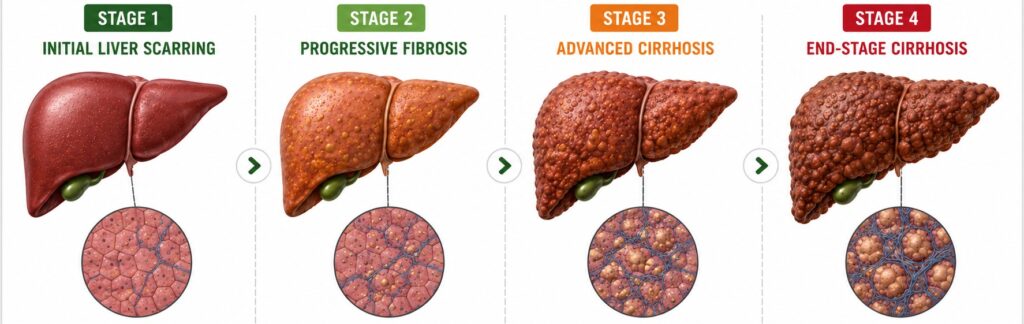
Stage 1: Initial Liver Scarring
Mild liver scarring begins to develop, often without noticeable symptoms. Many individuals may not experience noticeable symptoms, and liver function may remain relatively preserved.
Stage 2: Progressive Fibrosis
As scarring increases, the liver may begin to show signs of reduced efficiency. Some individuals may experience fatigue, digestive discomfort, or changes in appetite.
Stage 3: Advanced Cirrhosis
At this stage, extensive scarring can significantly affect liver function. Symptoms may become more noticeable and can include abdominal swelling, swelling of the legs, weakness, unexplained weight loss, and increased fatigue.
Stage 4: End-Stage Cirrhosis
This is the most advanced stage of cirrhosis, where liver function may be severely impaired. Individuals may face serious complications that require comprehensive medical evaluation and management.
The progression of cirrhosis varies from person to person depending on factors such as the underlying cause, overall health, lifestyle habits, and the timeliness of treatment.
Ayurvedic Treatment for Fatty Liver, Cirrhosis & Jaundice at DNAveda
According to Ayurveda, liver disorders are often associated with imbalances in Pitta Dosha, weakened digestive fire (Agni), accumulation of metabolic toxins (Ama), and impaired liver function (Yakrit Dushti). At DNAveda, our approach focuses on restoring internal balance while supporting healthy digestion, metabolism, detoxification, and overall liver wellness.
Agni Deepana — Supporting Digestive Efficiency
Ayurveda considers healthy digestion (Agni) to be the foundation of overall well-being. When Agni becomes weakened, digestion and metabolism may be affected. Strengthening digestive function is an important aspect of Ayurvedic treatment for Fatty Liver Disease and overall liver health support.

Ama Pachana — Reducing Metabolic Toxin Accumulation
According to Ayurveda, the accumulation of Ama (metabolic toxins) may interfere with normal physiological processes. Supporting the body’s natural cleansing mechanisms may help promote healthier liver function and support the management of Fatty Liver Disease.

Pitta Shamana — Balancing Excess Pitta
Liver health is closely linked to Pitta balance in Ayurveda. When Pitta becomes aggravated, symptoms related to liver imbalance may become more noticeable. Restoring doshic balance is an important aspect of Ayurvedic treatment for Jaundice and other liver-related conditions.
Yakrit Poshana — Supporting Healthy Liver Function
Yakrit (the liver) plays an essential role in digestion, metabolism, and detoxification. Ayurvedic herbs, dietary recommendations, and lifestyle modifications are selected based on the individual’s constitution and health status to support optimal liver function.

Dinacharya & Lifestyle Alignment — Encouraging Sustainable Daily Practices
Sleep quality, physical activity, stress management, and daily routines all influence liver health. Appropriate lifestyle modifications are often recommended alongside Ayurvedic treatment for Fatty Liver and other liver disorders to help support sustainable health outcomes.
Ahara Chikitsa — Ayurvedic Diet Plan for Fatty Liver
Food choices can significantly influence liver function and overall metabolic health. A personalized Ayurvedic diet plan for Fatty Liver focuses on supporting digestion, maintaining metabolic balance, and encouraging healthy lifestyle habits that contribute to long-term wellness.
Ayurvedic Diet Plan for Fatty Liver & Lifestyle Recommendations for Liver Health
Diet and lifestyle play an important role in supporting liver health and overall well-being. For individuals diagnosed with Fatty Liver Disease, adopting healthier eating habits and making sustainable lifestyle changes can help support metabolism, digestion, and normal liver function.
Foods to Include in a Fatty Liver Diet Plan
The following foods are commonly recommended as part of a balanced fatty liver diet plan:
- Fresh seasonal fruits and vegetables
- Whole grains such as barley, millets, and oats
- Fiber-rich foods
- Lentils and legumes
- Adequate water and hydration
- Freshly prepared home-cooked meals
- Moderate physical activity alongside a balanced diet
These dietary choices may help support healthy digestion, metabolism, and overall liver wellness.
Foods to Limit or Avoid
Individuals following a fatty liver treatment diet are generally advised to reduce or avoid:
- Deep-fried foods
- Excessively oily foods
- Processed and packaged foods
- Sugary beverages and refined sugars
- Excessive alcohol consumption
- Frequent fast-food consumption
- Overeating and irregular meal timings
Reducing these dietary triggers may help decrease the metabolic burden placed on the liver.
Ayurvedic Diet Plan for Fatty Liver
An Ayurvedic diet plan for Fatty Liver focuses on improving digestion (Agni), supporting metabolic balance, and reducing the accumulation of Ama (metabolic toxins). Dietary recommendations are typically personalized according to an individual’s constitution, digestive capacity, lifestyle, and overall health status.
General Ayurvedic dietary principles may include:
- Eating freshly prepared meals
- Maintaining regular meal timings
- Avoiding overeating
- Consuming easily digestible foods
- Supporting digestive health through mindful eating habits
- Following a balanced daily routine
Lifestyle Recommendations for Liver Health
Along with dietary modifications, the following lifestyle measures may help support liver health:
- Engage in regular physical activity
- Maintain a healthy body weight
- Follow a consistent sleep schedule
- Manage stress effectively
- Avoid excessive alcohol consumption
- Stay adequately hydrated
- Attend regular health check-ups when appropriate
Sustainable dietary and lifestyle practices often form an important part of long-term liver health management and overall wellness.
When Should You Consult a Doctor for Liver Disorders?
Early evaluation can play an important role in identifying liver-related concerns and supporting timely management. While occasional digestive discomfort or fatigue may not always indicate a serious problem, persistent or unexplained symptoms should not be ignored.
Consider consulting a healthcare professional if:
- Symptoms continue despite dietary and lifestyle modifications.
- You have been diagnosed with Fatty Liver Disease and want guidance on preventing disease progression.
- Routine blood tests show abnormal liver function results.
- An ultrasound or other investigations indicate liver abnormalities.
- You notice yellowing of the skin or eyes (Jaundice).
- You have risk factors such as obesity, Type 2 diabetes, metabolic syndrome, or excessive alcohol consumption.
- Existing liver-related symptoms become more frequent or severe.
Timely medical evaluation can help determine the underlying cause of symptoms and guide appropriate management based on your individual health needs.
Why Choose DNAveda for Liver Health Support?
Managing liver disorders requires more than simply addressing symptoms. At DNAveda, we follow a holistic Ayurvedic approach that focuses on understanding the individual, identifying contributing factors, and supporting long-term health through personalized care.

Personalized Ayurvedic Care
Every individual is unique. Our recommendations are tailored according to the patient’s health concerns, lifestyle, dietary habits, and Ayurvedic constitution.

Root-Cause Focused Approach
Rather than focusing solely on symptom management, we aim to understand and address the factors that may contribute to liver health concerns and metabolic imbalances.

Emphasis on Diet & Lifestyle
Dietary habits, daily routines, physical activity, and stress levels can significantly influence overall well-being. We provide practical guidance to support sustainable lifestyle changes.

Traditional Ayurvedic Principles with a Modern Perspective
Our approach integrates classical Ayurvedic wisdom with contemporary understanding of health and wellness, helping patients make informed decisions about their care.

Holistic Health Support
Healthy digestion, metabolism, sleep, and stress management are all interconnected. By addressing these factors together, we aim to support overall health rather than focusing on a single concern in isolation.

Patient-Centered Guidance
We believe that informed patients make better health decisions. Our consultations focus on education, clarity, and personalized support throughout the wellness journey.
Seeking Ayurvedic Support for Fatty Liver, Cirrhosis or Jaundice?
If you have been diagnosed with Fatty Liver Disease, Liver Cirrhosis, Jaundice, or are experiencing symptoms that may be affecting your liver health, seeking timely guidance can help you better understand your condition and explore appropriate care options.
At DNAveda, we provide personalized Ayurvedic consultations that focus on understanding your health concerns, identifying contributing factors, and recommending individualized strategies to support overall liver wellness.
Whether you are looking for guidance regarding Ayurvedic treatment for Fatty Liver, dietary and lifestyle modifications, or support for long-term liver health management, our team is here to help.
Support Your Liver Health with a Personalized Ayurvedic Approach
Frequently Asked Questions (FAQs)
What is the best Ayurvedic medicine for Fatty Liver?
There is no single Ayurvedic medicine that is considered the best for every individual with Fatty Liver Disease. The most appropriate treatment depends on factors such as the stage of fatty liver, digestive health, lifestyle, and overall constitution. In Ayurveda, treatment is typically personalized and may be combined with dietary modifications and lifestyle recommendations to support liver health.
Can Ayurveda help in Grade 2 Fatty Liver?
Many individuals seeking Fatty Liver Grade 2 Ayurvedic Treatment explore Ayurveda alongside dietary modifications and lifestyle changes. Ayurvedic care focuses on supporting healthy digestion, metabolism, and liver function through personalized dietary guidance, lifestyle recommendations, and individualized therapies. Early intervention and consistent health management can play an important role in supporting long-term liver wellness and reducing the risk of disease progression.
What causes Non-Alcoholic Fatty Liver Disease (NAFLD)?
Non-Alcoholic Fatty Liver Disease (NAFLD) is commonly associated with obesity, insulin resistance, Type 2 diabetes, high cholesterol levels, metabolic syndrome, and a sedentary lifestyle. It develops when fat begins to accumulate in the liver without alcohol being the primary cause.
What foods are recommended for Fatty Liver Disease?
A balanced diet rich in vegetables, fruits, whole grains, legumes, and fiber-rich foods is generally recommended for individuals with Fatty Liver Disease. Limiting processed foods, refined sugars, unhealthy fats, and excessive alcohol consumption may help support liver health. A personalized Ayurvedic diet plan for Fatty Liver may also be beneficial depending on individual needs.
Is Fatty Liver Disease reversible?
In many cases, especially during the early stages, Fatty Liver Disease may improve with appropriate dietary changes, regular physical activity, weight management, and healthy lifestyle practices. The outcome varies from person to person, making timely evaluation and consistent management important.
Can Fatty Liver lead to Cirrhosis?
Yes, in some cases, untreated or progressive Fatty Liver Disease may contribute to liver inflammation and scarring over time. If liver damage continues to worsen, it may increase the risk of developing Liver Cirrhosis. Early diagnosis and appropriate management can help reduce the risk of disease progression.
What are the 4 stages of Cirrhosis of the Liver?
The four commonly recognized stages of Liver Cirrhosis include initial liver scarring, progressive fibrosis, advanced cirrhosis, and end-stage cirrhosis. The severity of symptoms and the impact on liver function generally increase as the condition progresses.
What is the best treatment for Liver Cirrhosis?
The most appropriate treatment for Liver Cirrhosis depends on its underlying cause, stage, symptoms, and overall health status. Management may involve lifestyle modifications, dietary changes, regular monitoring, and appropriate medical care. Early diagnosis is important in helping slow disease progression and support liver function.
Can Ayurveda help in Jaundice?
Ayurveda focuses on supporting liver health, digestive balance, and overall well-being through individualized care. Since Jaundice can occur due to various underlying conditions affecting the liver or biliary system, proper evaluation is important before beginning any treatment approach.
What are the danger signs of Jaundice?
Individuals with Jaundice should seek medical attention if they experience worsening yellowing of the skin or eyes, persistent fever, severe abdominal pain, confusion, excessive weakness, unexplained weight loss, or symptoms that continue to worsen over time. These signs may indicate an underlying condition requiring prompt evaluation.
How is Fatty Liver Disease diagnosed?
Fatty Liver Disease is commonly diagnosed through a combination of medical history, physical examination, liver function tests, imaging studies such as ultrasound, and other investigations when necessary. Early diagnosis can help guide appropriate management and support better long-term liver health.
Address
D58, near Kaushambi Metro Station, Anand Vihar, Kaushambi, Ghaziabad, Uttar Pradesh 201010
Call Us
+919625554890
Email Us
ayurvedadna@gmail.com