
Ayurvedic Treatment for Migraine, Chronic Headache & Vertigo
Recurring migraines, frequent headaches, or episodes of vertigo can affect everyday life, from work and studies to sleep, mobility, and overall well-being. Migraine may involve more than headache pain, with symptoms such as nausea, vomiting, sensitivity to light or sound, or visual disturbances. Vertigo, on the other hand, creates a sensation of spinning or movement and may affect balance and daily activities.
Migraine, chronic headaches, and vertigo are different conditions, and their causes and triggers can vary considerably. Stress, disturbed sleep, dehydration, hormonal changes, dietary habits, prolonged screen use, neck-related problems, and disorders affecting the inner ear or nervous system may contribute to symptoms depending on the individual condition.
Ayurveda takes an individualized approach to understanding recurring health concerns. At DNAveda, migraine treatment in Ayurveda is individualized according to factors such as Prakriti (body constitution), Vikriti (current imbalance), Dosha balance, Agni (digestive fire), lifestyle, diet, symptoms, and overall health. Depending on the individual’s condition, Ayurvedic management may include medicines, Panchakarma therapies where appropriate, dietary guidance, and lifestyle modifications.
Recognizing symptoms and triggers and seeking appropriate evaluation are important steps towards better long-term management. Ayurvedic treatment can then be planned according to the individual’s health needs rather than following a one-size-fits-all approach.
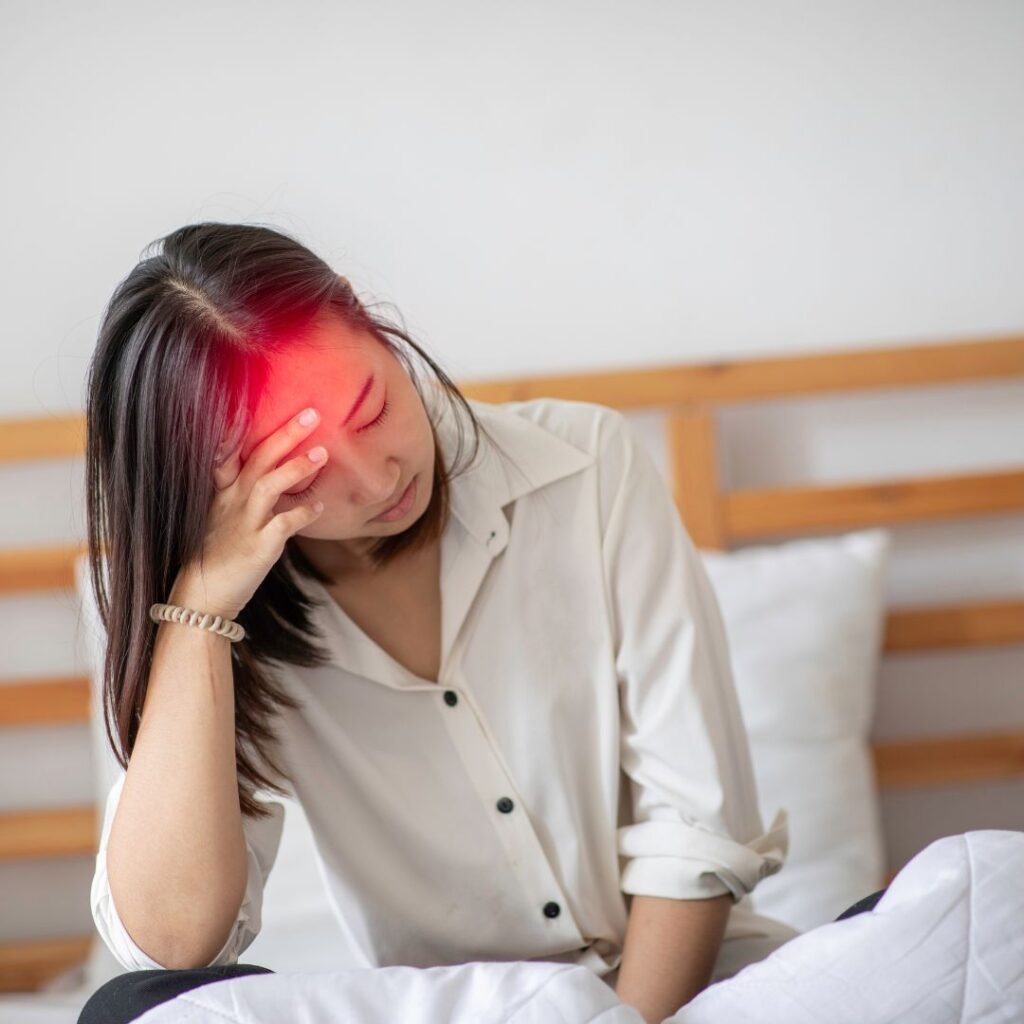

What Are Migraine, Chronic Headache & Vertigo?
Migraine, chronic headache, and vertigo describe different health conditions or symptom patterns that can affect daily life. Although they may sometimes occur together, they are not the same. Understanding their characteristics can help a person recognize symptoms and seek appropriate care.
Migraine is a neurological disorder characterized by recurrent attacks of headache and other neurological symptoms. The pain is often moderate to severe and may be throbbing or pulsating. Nausea, vomiting, and sensitivity to light or sound are also common. Some people experience aura, such as temporary visual, sensory, or speech disturbances, before or during an attack.
Chronic Headache describes a pattern of headaches occurring frequently over an extended period. Some chronic headache disorders involve headaches on 15 or more days per month for more than three months, with the exact diagnostic criteria depending on the specific headache disorder. Chronic migraine is one form of headache disorder that can develop into a persistent pattern.
Vertigo is a specific type of dizziness in which a person feels that they or their surroundings are spinning, moving, tilting, or shifting when there is no corresponding movement. It can arise from problems involving the inner ear and balance system, migraine, or certain neurological conditions.
Because headache and vertigo can have many different causes, persistent, severe, new, or changing symptoms should be medically evaluated to determine the appropriate approach.
Types of Migraine, Headaches & Vertigo
Migraine and headache disorders can occur in different forms, while vertigo may arise from several underlying conditions. Identifying the type and pattern of symptoms can help healthcare professionals determine the appropriate evaluation and management approach.
Types of Migraine

Migraine Without Aura
Migraine without aura is characterized by recurrent attacks of moderate to severe headache, often with nausea and increased sensitivity to light or sound. The pain may be one-sided and can worsen with routine physical activity.
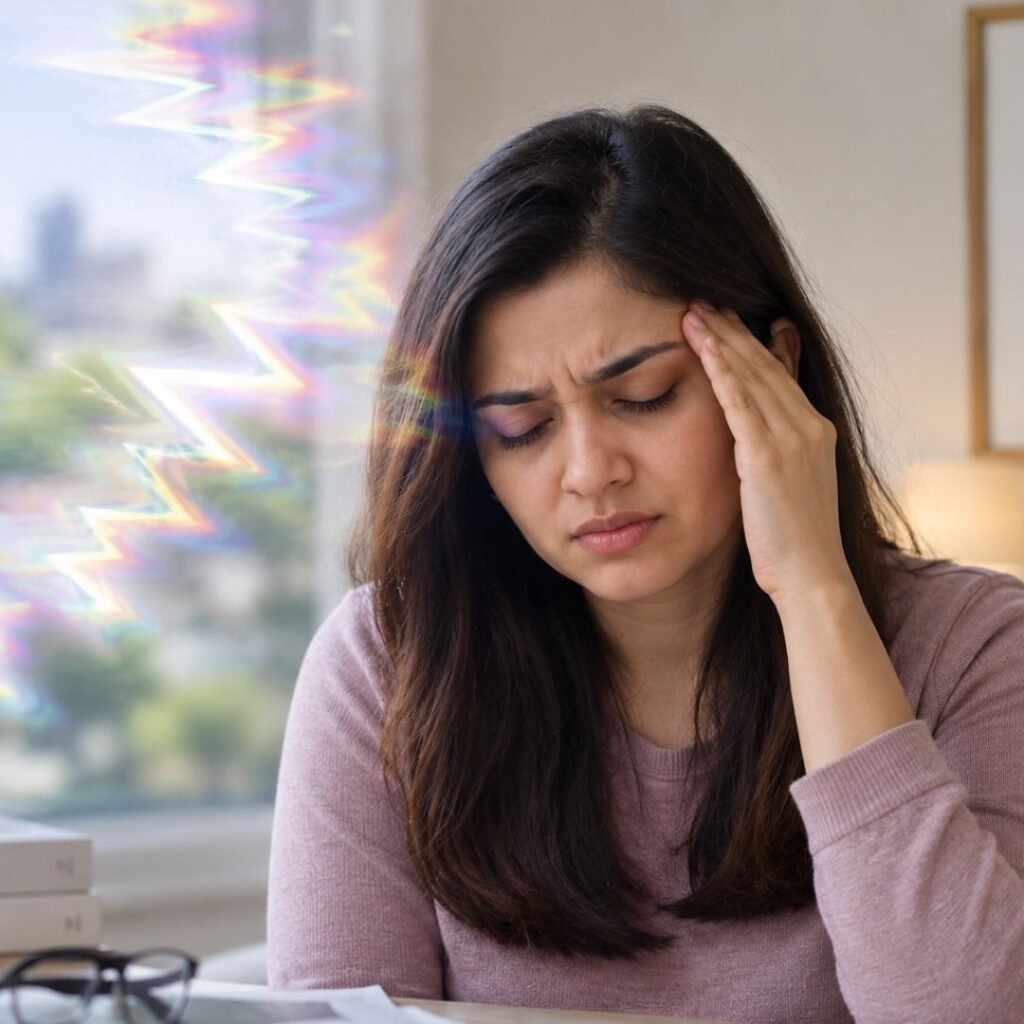
Migraine With Aura
Migraine with aura involves temporary neurological symptoms that may occur before or during an attack. Visual symptoms are common, but some people may experience tingling, numbness, or difficulty speaking. Aura symptoms are generally reversible.

Chronic Migraine
Chronic migraine is a frequent migraine pattern in which headache occurs on 15 or more days per month for more than three months, with migraine features occurring on a specified number of those days. Frequent headaches can significantly affect work, studies, sleep, and quality of life.
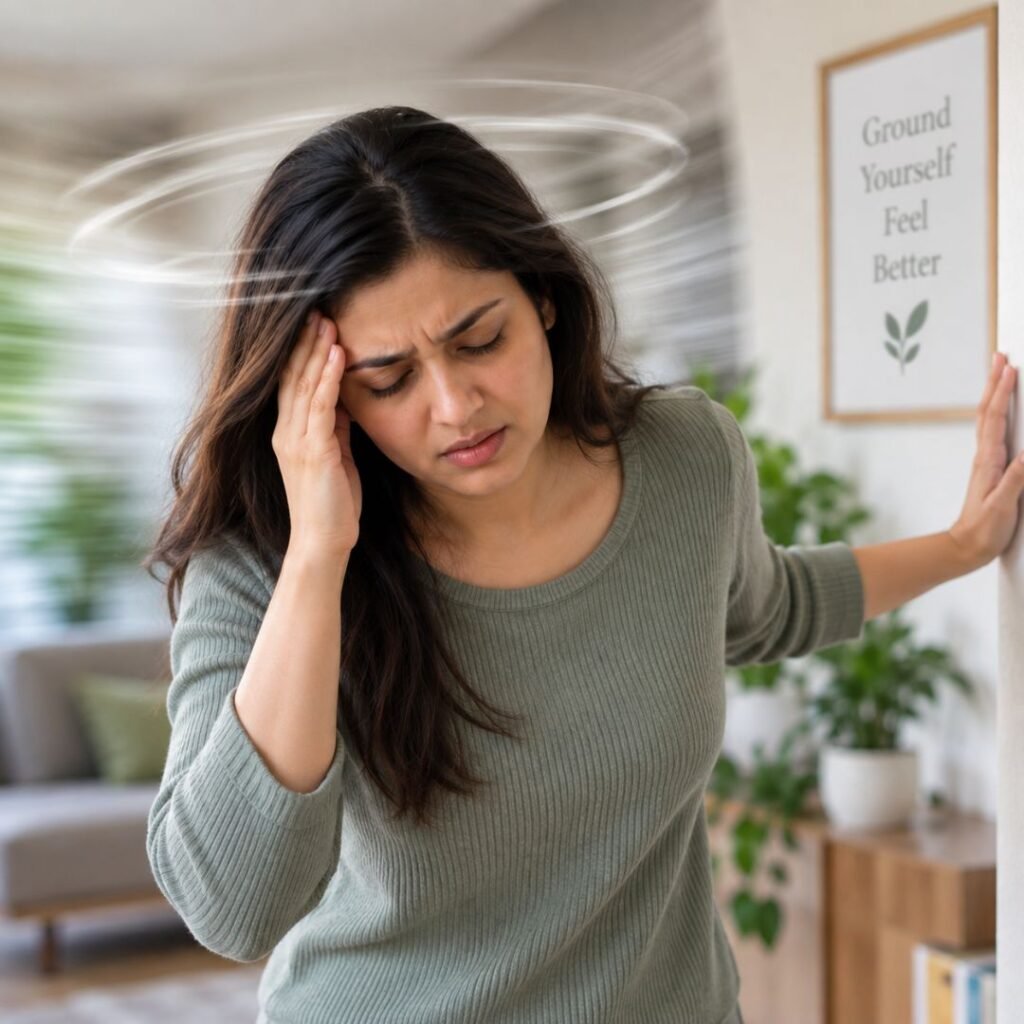
Vestibular Migraine
Vestibular migraine is associated with episodes of vertigo or dizziness in people with a migraine history or migraine features. Symptoms may include motion sensitivity, imbalance, or sensitivity to visual movement, with or without a typical migraine headache.

Menstrual Migraine
Menstrual migraine refers to migraine attacks associated with the menstrual cycle, commonly occurring around the beginning of menstruation. Hormonal fluctuations may influence the timing and severity of attacks in susceptible individuals.

Migraine Aura Without Headache
Some people experience migraine aura without developing significant headache. Visual disturbances, sensory symptoms, or other temporary neurological symptoms may occur. New or unusual aura-like symptoms should be medically evaluated because some neurological conditions can produce similar symptoms.
Types of Headaches

Tension-Type Headache
Tension-type headache commonly presents as pressing or tightening pain and is classified as a primary headache disorder. It typically causes a pressing or tightening sensation, often affecting both sides of the head, and may be associated with tenderness around the head, neck, or shoulders.
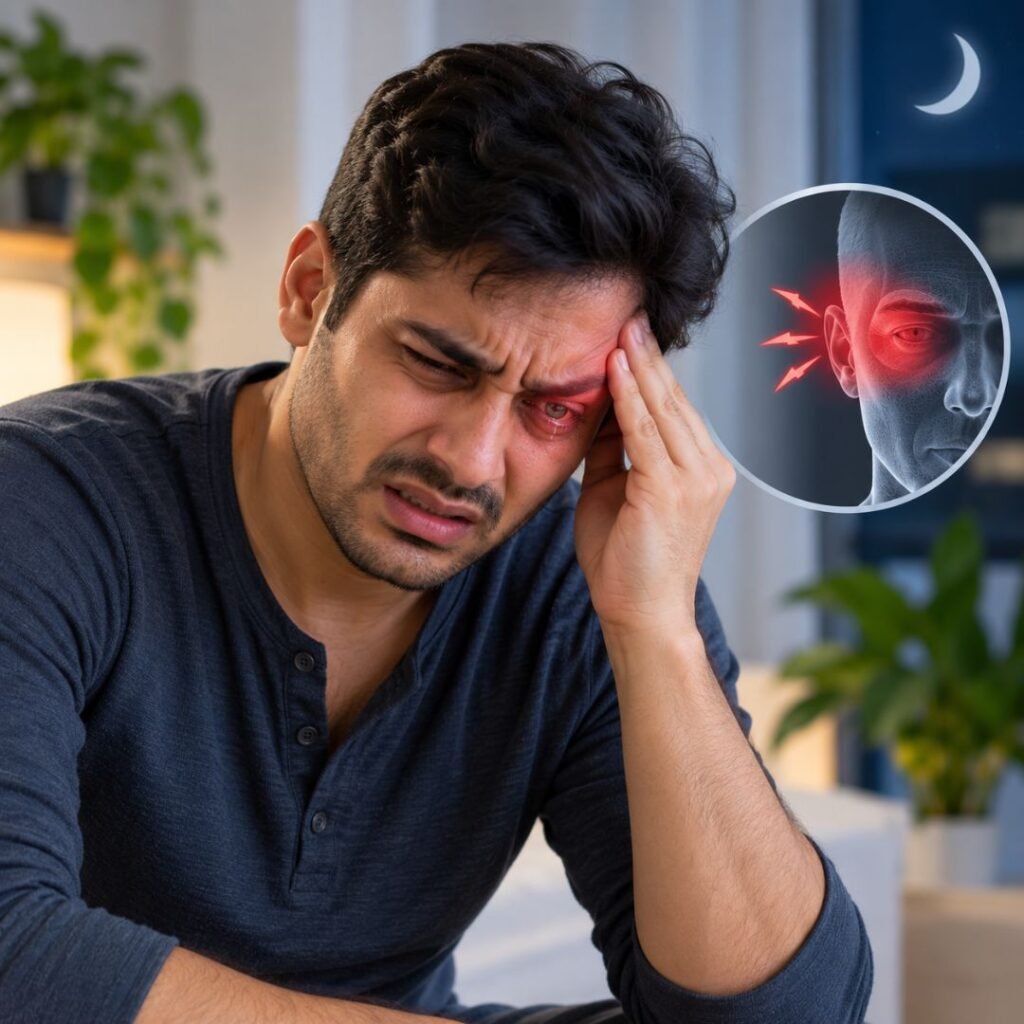
Cluster Headache
Cluster headache is a severe primary headache disorder that usually causes intense pain around or behind one eye or on one side of the head. Attacks often occur in groups or “clusters” and may be accompanied by symptoms such as tearing, nasal congestion, or restlessness.

Cervicogenic Headache
Cervicogenic headache is a secondary headache associated with structures in the neck. Pain may begin in the neck or back of the head and spread towards the head or face. Neck movement or prolonged poor posture may aggravate symptoms in some people.

Sinus-Related Headache
Headache associated with sinus inflammation or infection can occur along with symptoms such as nasal congestion, facial pressure, or nasal discharge. However, many headaches that people describe as “sinus headaches” are actually migraine, making appropriate evaluation important.
Types and Causes of Vertigo
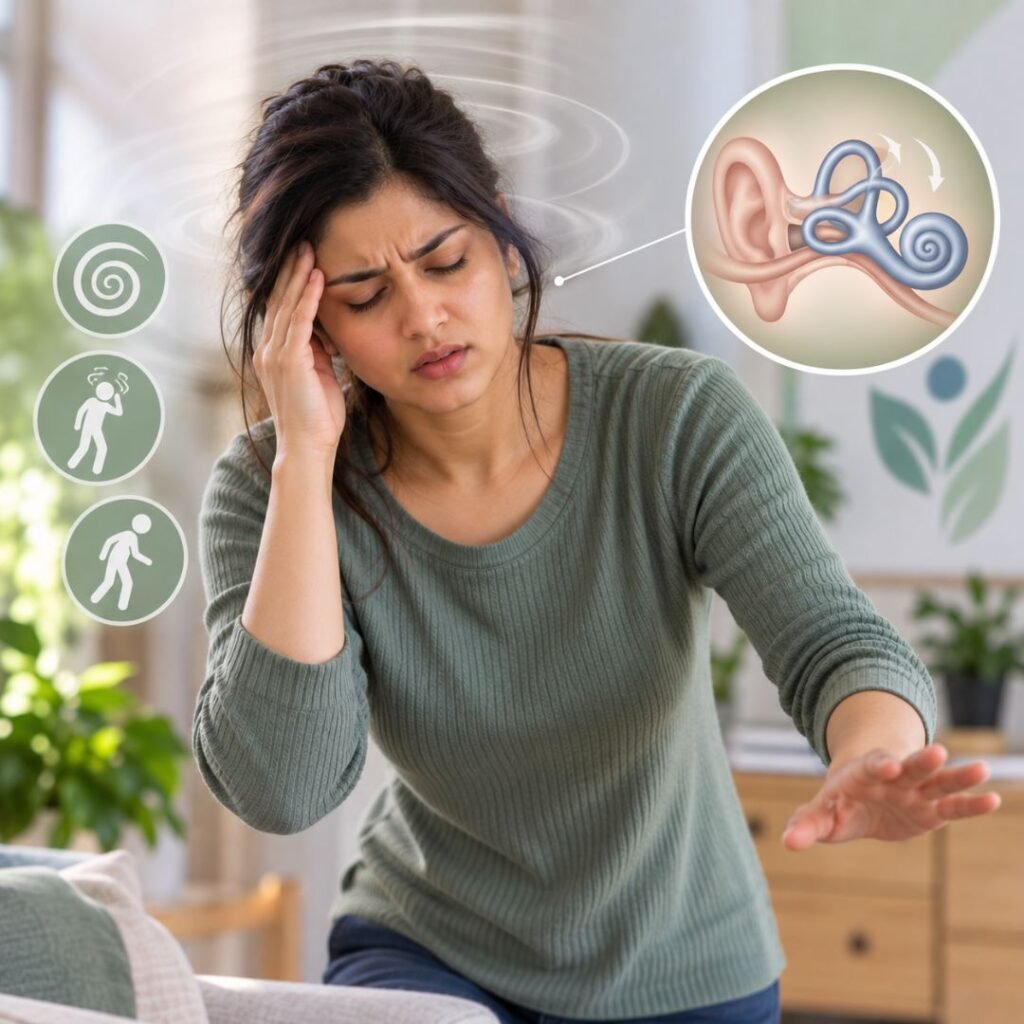
Peripheral Vertigo
Peripheral vertigo arises from problems involving the inner ear or vestibular system. It may cause spinning sensations, nausea, imbalance, or sensitivity to movement.
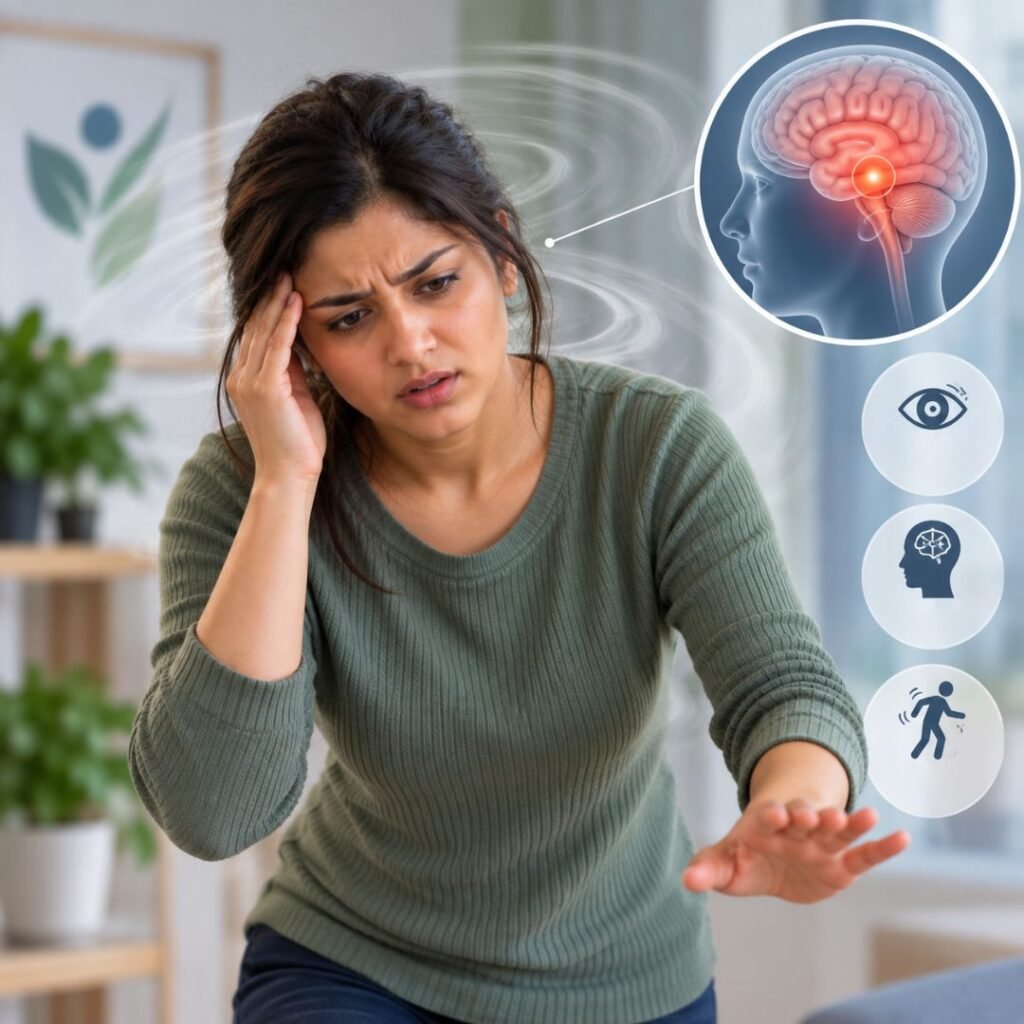
Central Vertigo
Central vertigo results from disorders affecting parts of the brain involved in balance and coordination. Because some central causes can be serious, new or persistent vertigo accompanied by neurological symptoms requires prompt medical assessment.
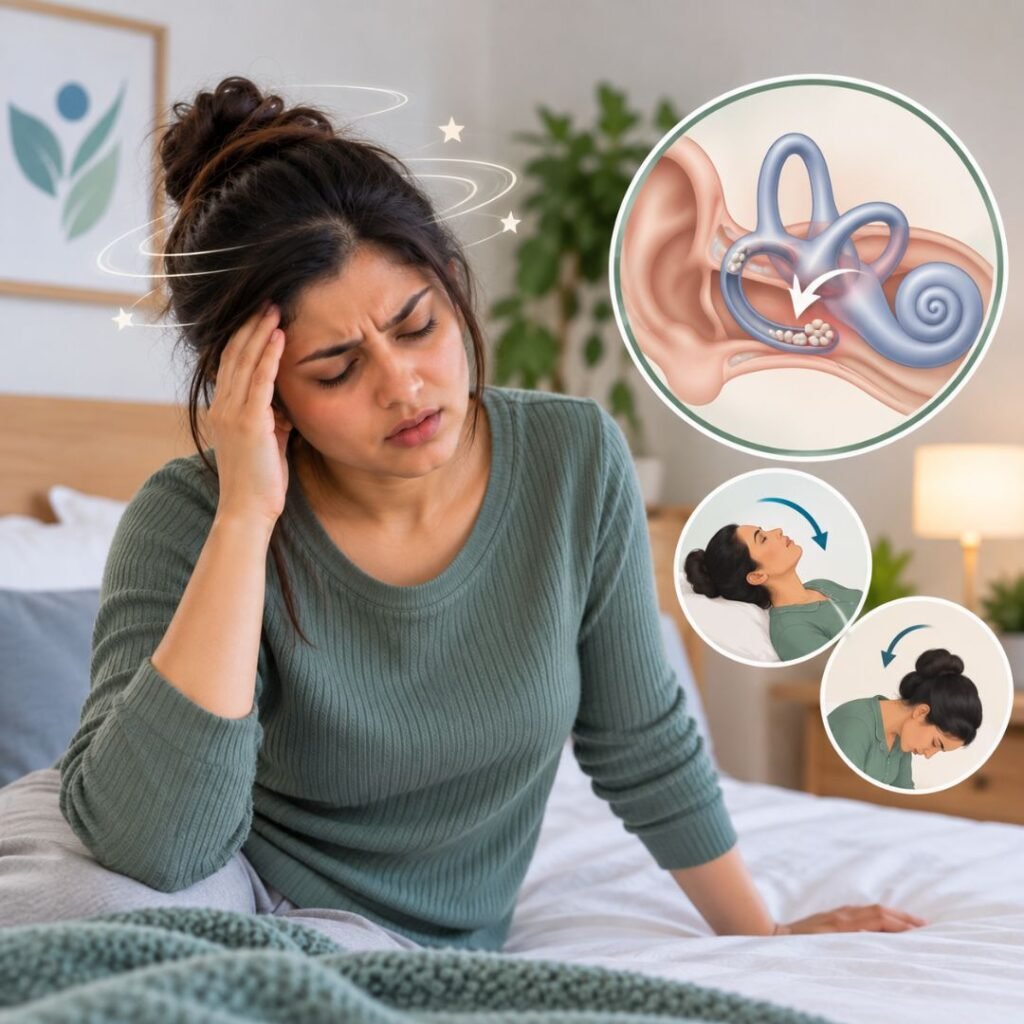
Benign Paroxysmal Positional Vertigo (BPPV)
BPPV is a common cause of brief episodes of positional vertigo. It develops when small calcium-based particles within the inner ear move into an area where they can interfere with normal balance signals, causing a spinning sensation with certain changes in head position.
Symptoms of Migraine, Chronic Headache & Vertigo
Migraine, chronic headache, and vertigo can have overlapping symptoms, but certain features can help distinguish them. Recognizing the pattern, duration, and associated symptoms can help a healthcare professional determine whether further evaluation is needed.
| Migraine | Chronic Headache | Vertigo |
|---|---|---|
Moderate to severe headache, often throbbing or pulsating |
Headache occurring frequently over an extended period |
Sensation that you or your surroundings are spinning or moving |
Pain may affect one side of the head |
Pain may be persistent or recur frequently |
Dizziness, imbalance, or unsteadiness |
Nausea or vomiting |
Pressure, tightness, or aching may occur depending on the headache type |
Nausea or vomiting |
Sensitivity to light or sound |
Neck, scalp, or shoulder discomfort may occur |
Symptoms may worsen with certain head movements |
Sensitivity to smells in some people |
Difficulty concentrating or fatigue |
Difficulty maintaining balance or walking steadily |
Visual or sensory aura in some people |
Sleep disturbance may accompany frequent headaches |
Motion or visual sensitivity may occur |
Physical activity may worsen pain |
Symptoms may interfere with work and daily activities |
May occur with migraine or inner-ear/neurological conditions |
Symptoms of Migraine
Migraine symptoms can vary between individuals and from one attack to another. In addition to headache, a person may experience nausea, vomiting, sensitivity to light or sound, visual disturbances, dizziness, or fatigue. Some people experience aura before or during the attack.
Symptoms of Chronic Headache
The symptoms of chronic headache depend on the underlying headache disorder. A person may experience frequent pressure, tightness, aching, or throbbing pain, sometimes accompanied by neck discomfort, fatigue, difficulty concentrating, or disturbed sleep. A change in the usual pattern of headaches should be evaluated.
Symptoms of Vertigo
Vertigo symptoms are primarily characterized by a sensation that you or your surroundings are spinning or moving. Other symptoms may include nausea, vomiting, imbalance, difficulty walking, motion sensitivity, or other symptoms depending on the underlying cause.
Causes and Risk Factors
Migraine, chronic headaches, and vertigo can result from different underlying conditions, while certain factors can trigger or worsen symptoms. A trigger is not necessarily the underlying cause of a condition. Identifying the individual’s pattern can help in developing an appropriate management plan.
Causes and Triggers of Migraine
Migraine is a neurological condition influenced by genetic, neurological, hormonal, and environmental factors. Common triggers that may provoke or worsen attacks include:
Stress and emotional changes
Stress, anxiety, and emotional exhaustion may trigger attacks in susceptible individuals.
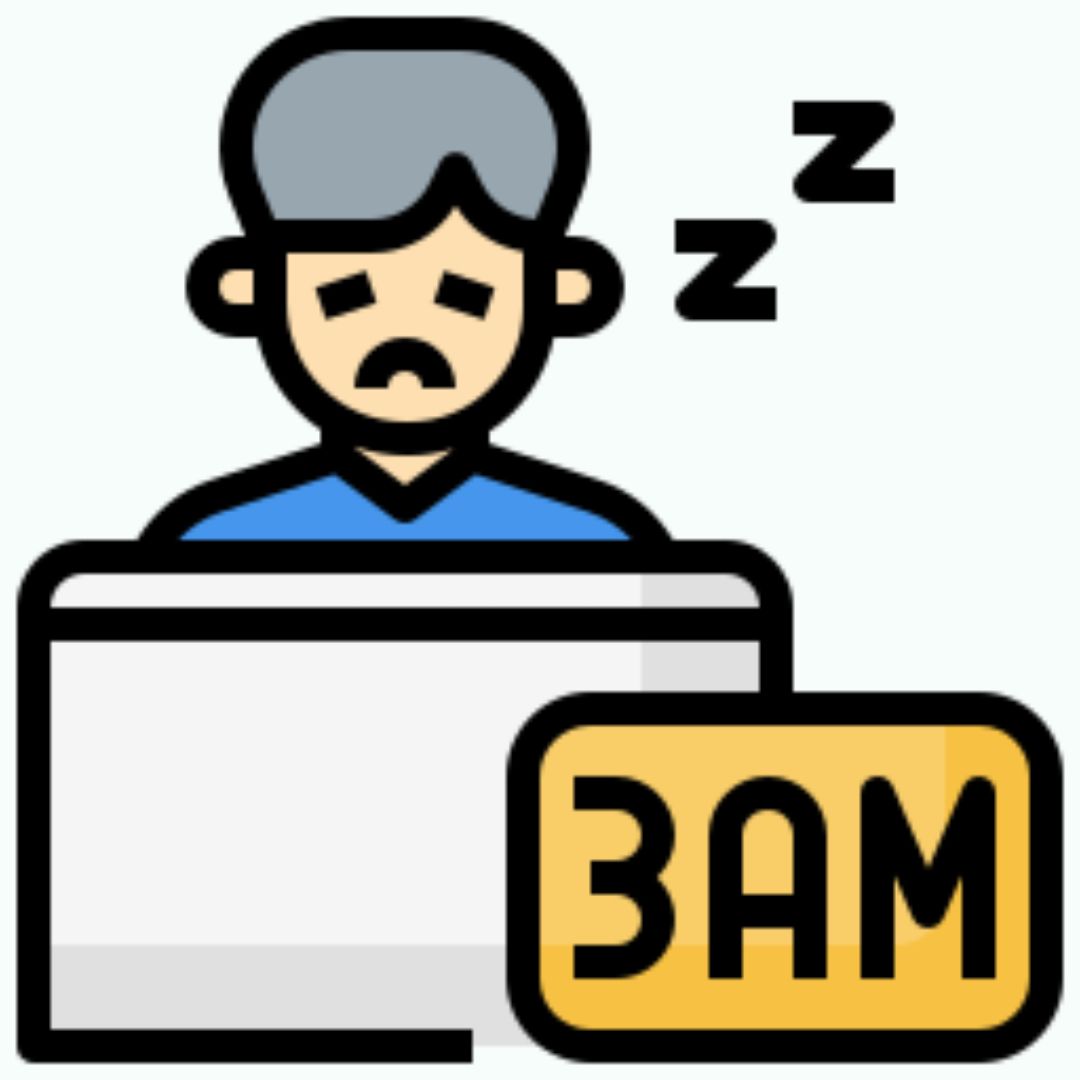
Sleep disturbances
Too little sleep, excessive sleep, or irregular sleep schedules may increase migraine frequency.
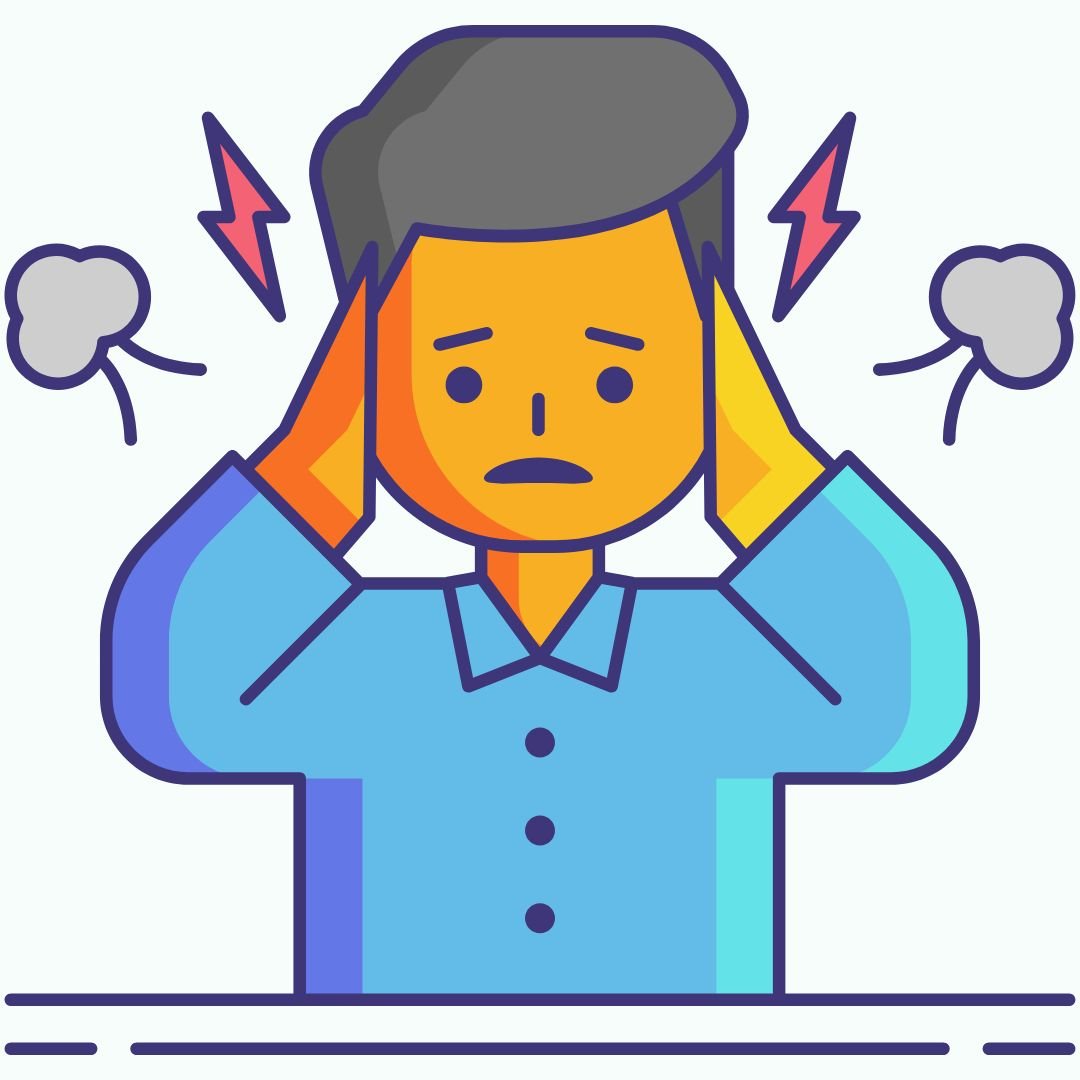
Environmental factors
Bright lights, loud sounds, strong smells, weather changes, or intense sensory stimulation may worsen symptoms

Hormonal fluctuations
Changes in hormone levels, particularly around menstruation, may trigger migraine in some women.

Dietary and hydration factors
Skipping meals, dehydration, excessive caffeine, alcohol, or specific foods may trigger attacks in some individuals.
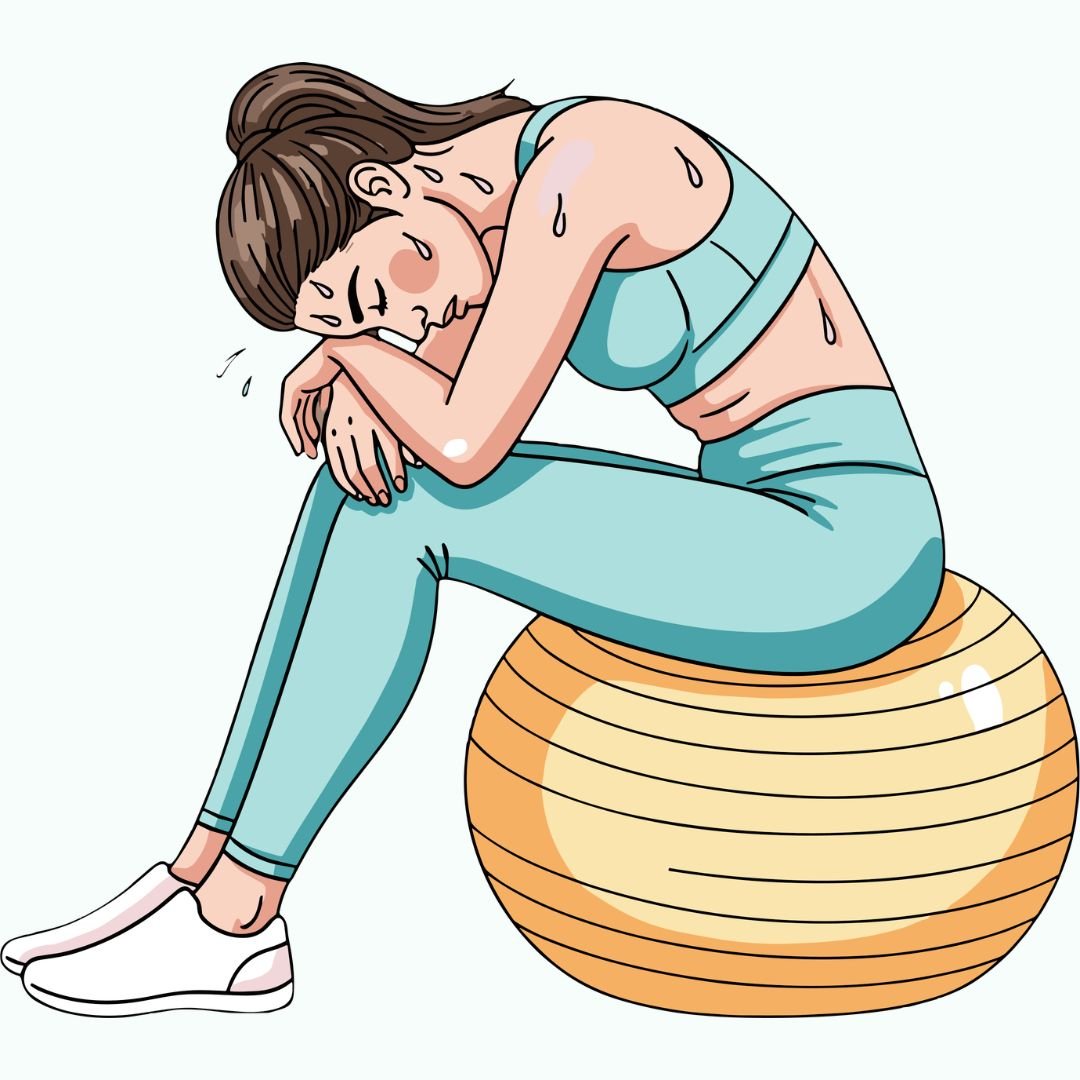
Overexertion or changes in routine
Sudden changes in physical activity or daily routine may act as triggers for some people.
Causes and Risk Factors of Chronic Headache
Chronic headaches can develop from an underlying headache disorder, repeated triggers, medication overuse, or other health conditions. Contributing factors may include:
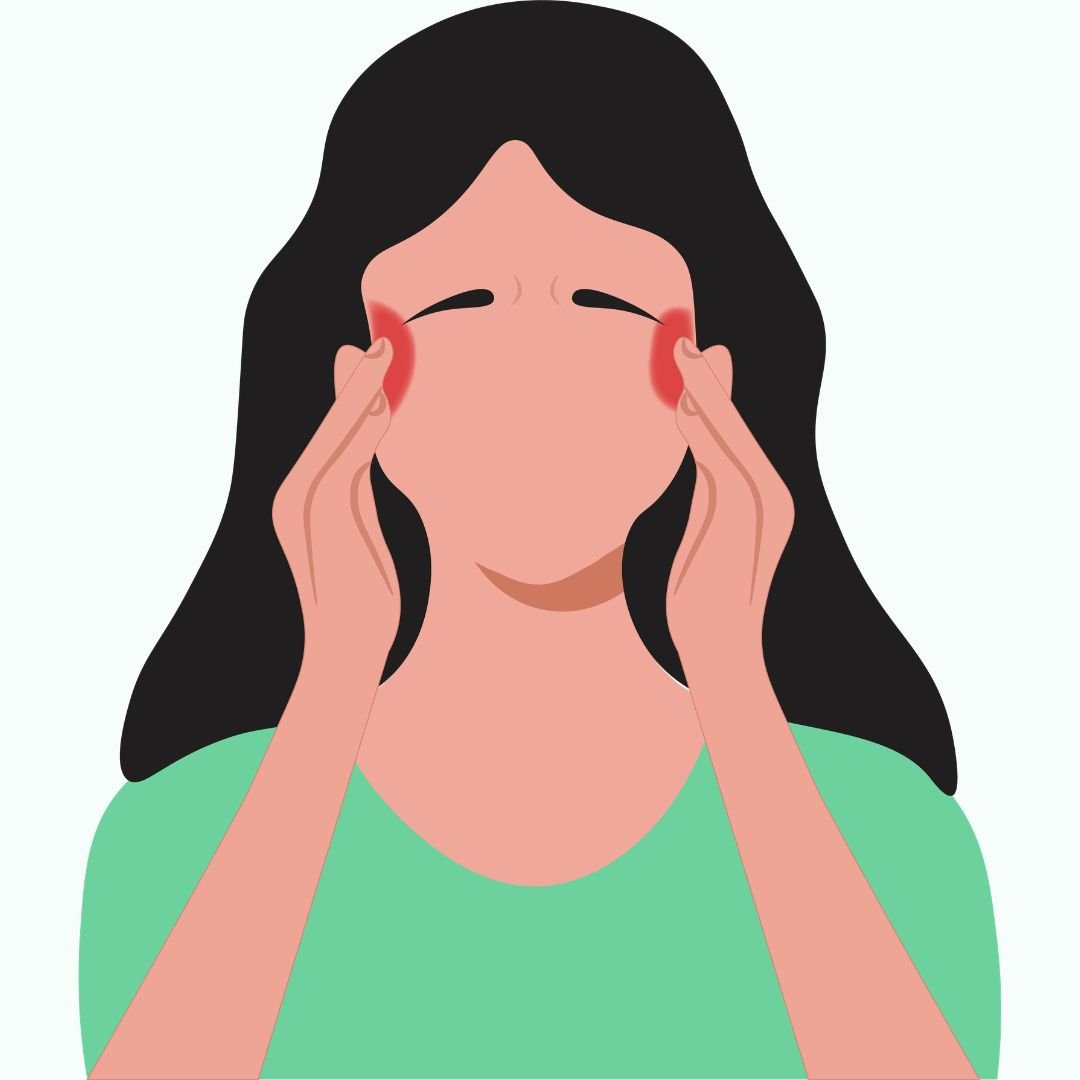
Frequent headaches or migraine attacks
Recurrent headache disorders can gradually develop into a chronic pattern.

Medication overuse
Frequent use of certain pain-relieving medicines can contribute to medication-overuse headache.
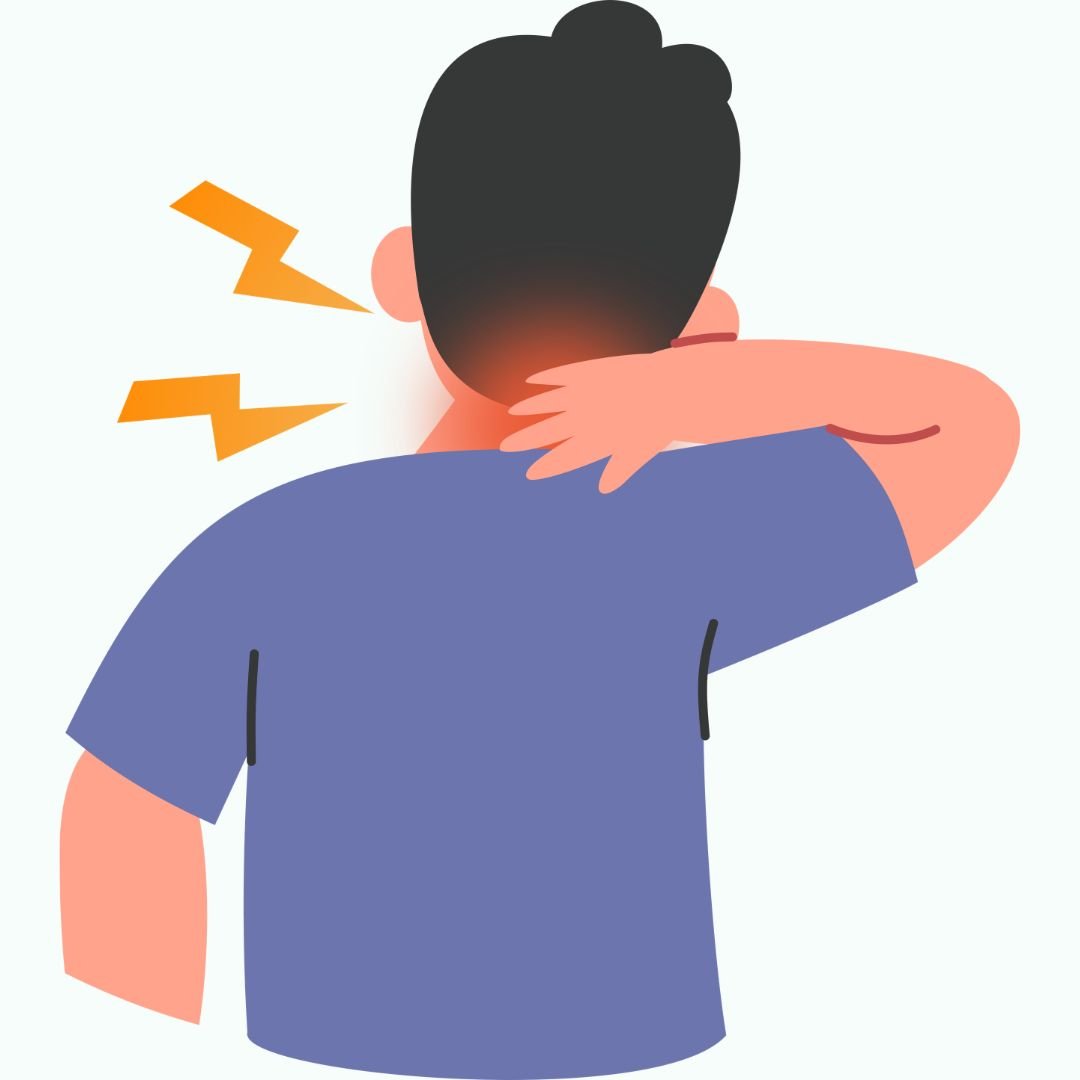
Stress and muscle tension
Persistent stress may increase muscle tension and aggravate some types of headache.
Sleep problems
Poor-quality or irregular sleep may increase headache frequency.
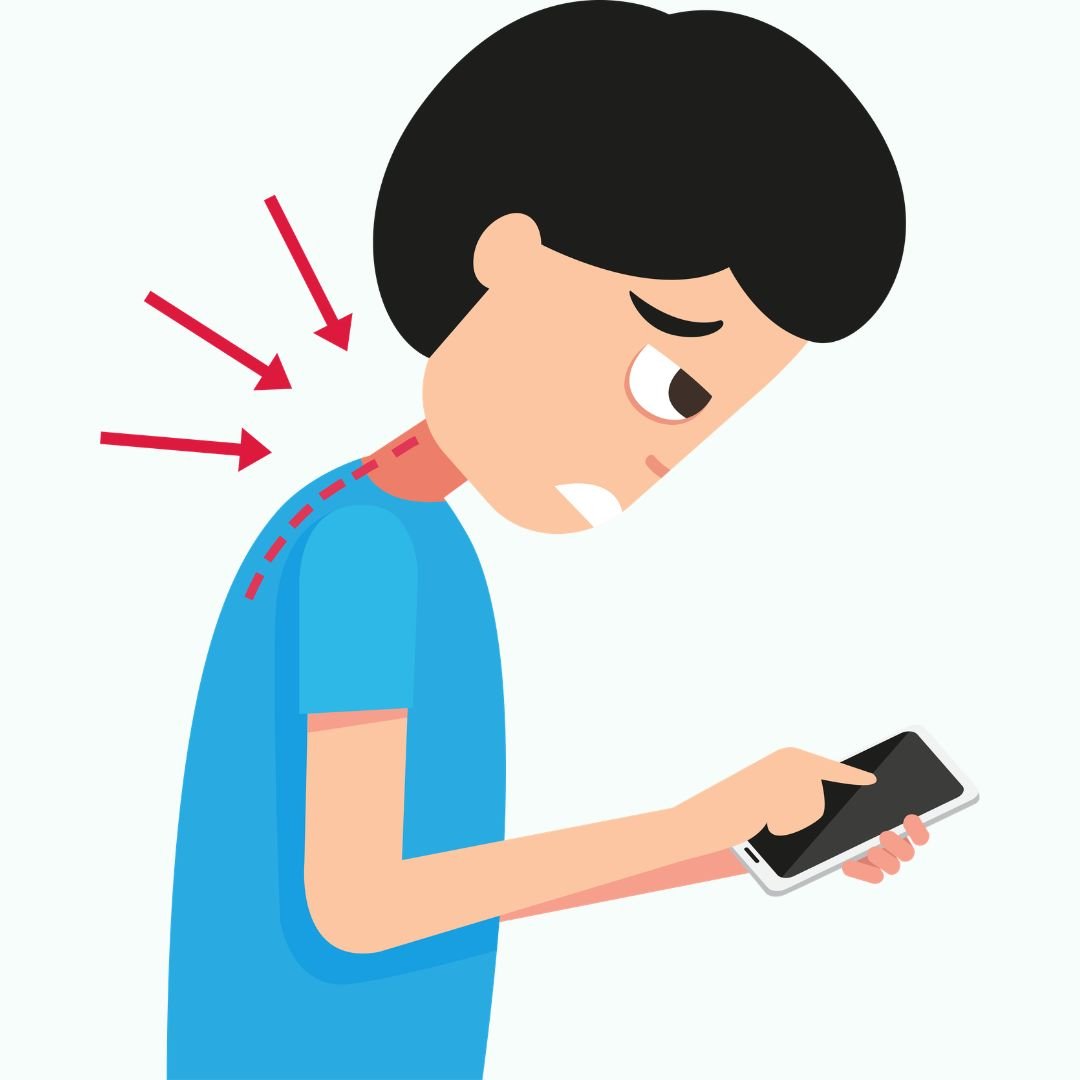
Neck and posture-related problems
Prolonged screen use, poor posture, or certain neck conditions may contribute to headache.
Other underlying conditions
Eye problems, infections, hormonal changes, and other medical conditions can sometimes contribute to persistent headaches.
Causes and Risk Factors of Vertigo
Vertigo can arise from disorders affecting the inner ear, vestibular system, brain, or other parts of the body’s balance mechanisms. Common causes and contributing factors include:
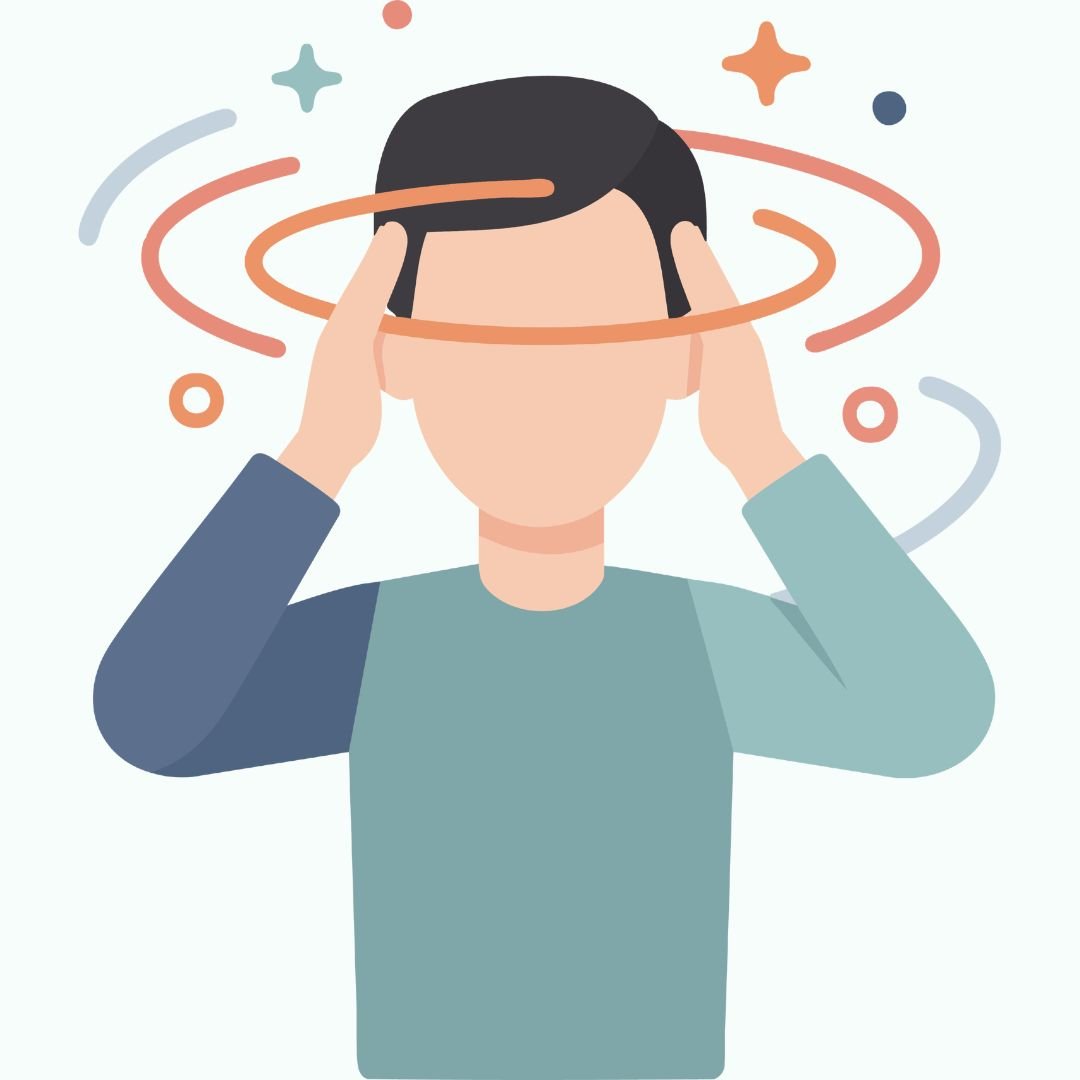
Inner-ear disorders
Conditions affecting the vestibular system can cause spinning sensations and imbalance.
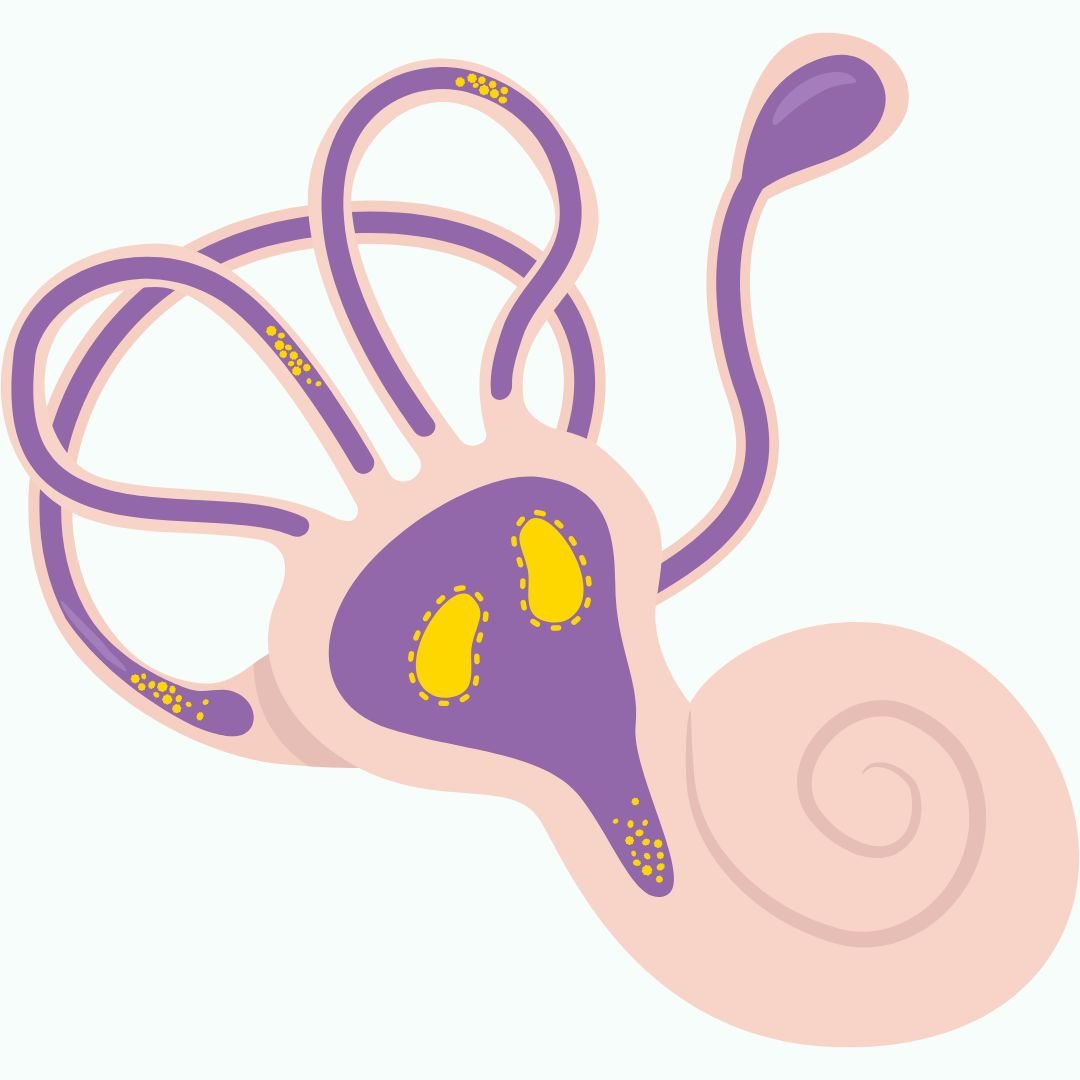
BPPV
Displacement of tiny inner-ear crystals can cause brief episodes of positional vertigo.
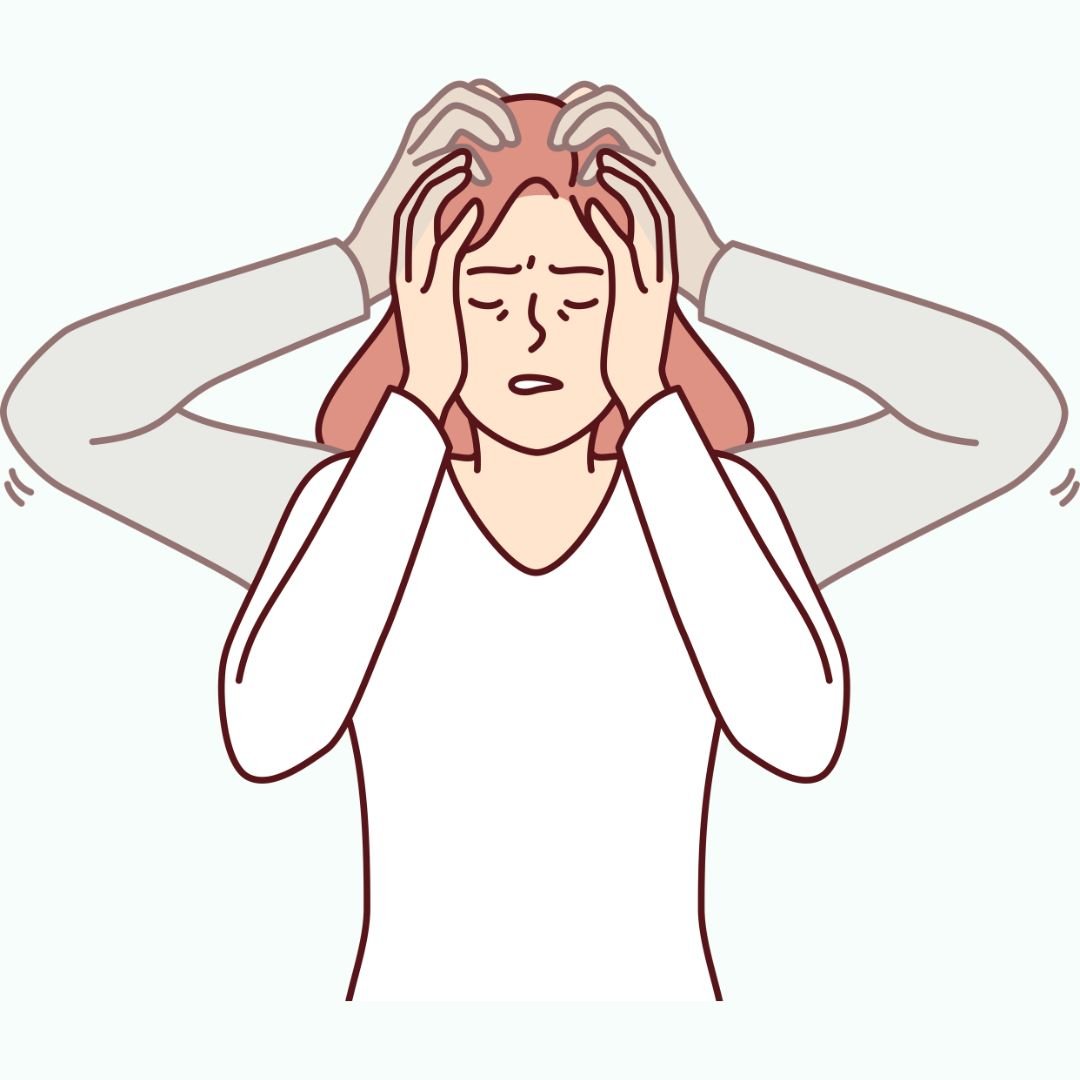
Vestibular migraine
Migraine can cause vertigo and dizziness, sometimes even without significant headache.
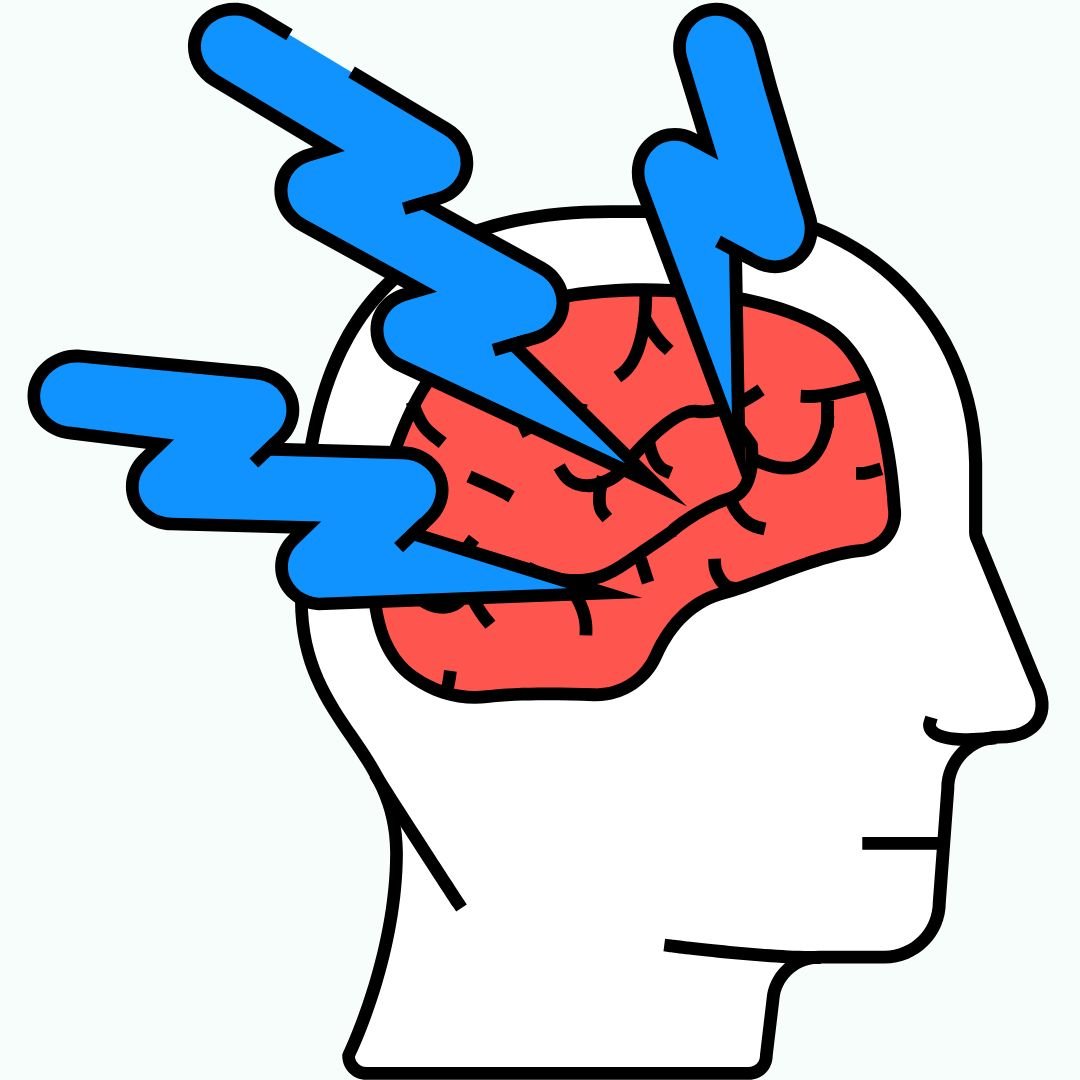
Neurological conditions
Certain disorders affecting the brain and nervous system can produce vertigo.
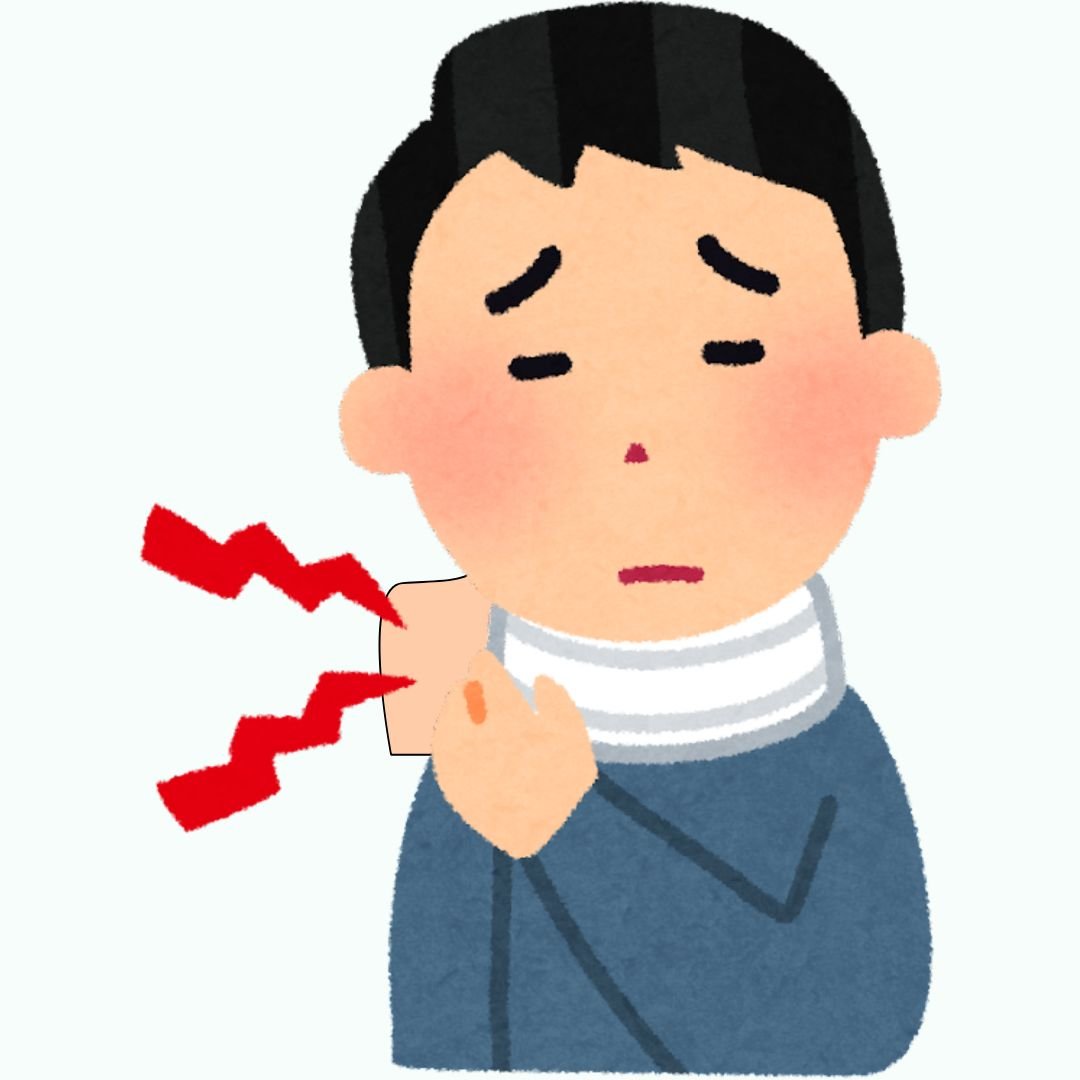
Head or neck injury
Injury may affect the vestibular or neurological systems and lead to dizziness or vertigo.
Stress, anxiety, or fatigue
These factors may worsen dizziness or make balance-related symptoms more noticeable, although they should not automatically be assumed to be the underlying cause.
When to Seek Immediate Medical Care
Most headaches and episodes of dizziness are not emergencies, but certain symptoms can indicate a serious underlying condition and require prompt medical attention.
Seek Immediate Medical Care If You Experience:
- A sudden, extremely severe headache: A headache that reaches maximum intensity within seconds or minutes, particularly if it is unlike previous headaches, requires urgent evaluation.
- New neurological symptoms: Weakness, numbness, facial drooping, difficulty speaking, confusion, fainting, seizures, or sudden difficulty walking require immediate medical assessment.
- Sudden vision changes: New loss of vision, double vision, or other significant visual changes should be evaluated promptly.
- Severe vertigo with neurological symptoms: Vertigo accompanied by weakness, numbness, speech difficulty, severe imbalance, or other new neurological symptoms may require emergency evaluation.
- Headache after a head injury: New or worsening headache following an injury should be medically assessed.
- Severe headache with fever or neck stiffness: This combination can indicate a serious infection and requires urgent evaluation.
- A new or significantly changing headache pattern: Particularly when the headache is persistent, progressively worsening, or substantially different from previous headaches.
- Persistent vomiting or loss of consciousness: These symptoms accompanying headache or severe dizziness require prompt medical attention.
If any emergency warning signs are present, seek appropriate medical care rather than delaying evaluation for Ayurvedic treatment. Once serious causes have been assessed or ruled out, Ayurvedic care may be considered as part of an individualized approach where appropriate.
How Ayurveda Approaches Migraine, Headache & Vertigo at DNAveda
According to Ayurveda, recurring headaches, migraine, and balance-related symptoms may be associated with Dosha imbalance, particularly disturbances involving Vata Dosha and, depending on the individual presentation, Pitta Dosha. Ayurveda also considers Agni (digestive fire), Ama, Prakriti, Vikriti, and factors affecting the Shiras (head region) when assessing such conditions.
At DNAveda, these factors are considered together to develop an individualized treatment plan rather than following the same protocol for every patient.

Vata Shamana — Restoring Vata Balance
Vata governs movement and functions associated with the nervous system and sensory activity. When Vata is aggravated, Ayurvedic assessment may consider factors such as recurring pain, dizziness, disturbed sleep, stress, and irregular routines. Vata Shamana aims to restore balance through appropriately selected medicines, therapies, diet, and daily routines.

Pitta Shamana — Balancing Excess Pitta
Pitta is associated with heat and transformation in Ayurveda. When Pitta involvement is identified, symptoms such as intense headache, heat or burning sensations, irritability, or increased sensitivity may be considered. Pitta Shamana may be incorporated into treatment through suitable medicines, diet, and therapies.
Agni Deepana & Ama Pachana — Supporting Digestive Balance
Ayurveda considers Agni essential for healthy digestion and metabolism. When Agni is impaired, Ayurveda describes the formation of Ama, which may disturb the body’s natural balance. Supporting Agni and addressing Ama, when indicated, may therefore form part of an individualized treatment approach.

Shirogata Vata Chikitsa — Addressing Vata in the Head Region
Shirogata Vata refers to the Ayurvedic consideration of Vata affecting the head region. Where this pattern is identified, treatment may focus on restoring Vata balance and supporting the health of the head and nervous system through appropriately selected Ayurvedic medicines and therapies.

Ahara Chikitsa — Personalized Ayurvedic Diet
Dietary recommendations are tailored according to the individual’s Prakriti, Dosha balance, digestive capacity, symptoms, and potential triggers. Rather than following a universal migraine diet, Ahara Chikitsa focuses on suitable foods, meal patterns, and dietary practices for the individual.

Dinacharya — Creating a Consistent Daily Routine
Ayurveda emphasizes regular daily routines as part of maintaining balance. Depending on individual needs, recommendations may include regular sleep, timely meals, stress management, appropriate physical activity, adequate hydration, and avoidance of identified triggers.
Panchakarma Therapies & Ayurvedic Medicines
Panchakarma therapies and Ayurvedic medicines at DNAveda are selected according to the individual’s Prakriti, Vikriti, Dosha imbalance, Agni, symptoms, health status, and treatment requirements. They are not prescribed as a standard protocol for every person with migraine, headache, or vertigo.
Panchakarma Therapies
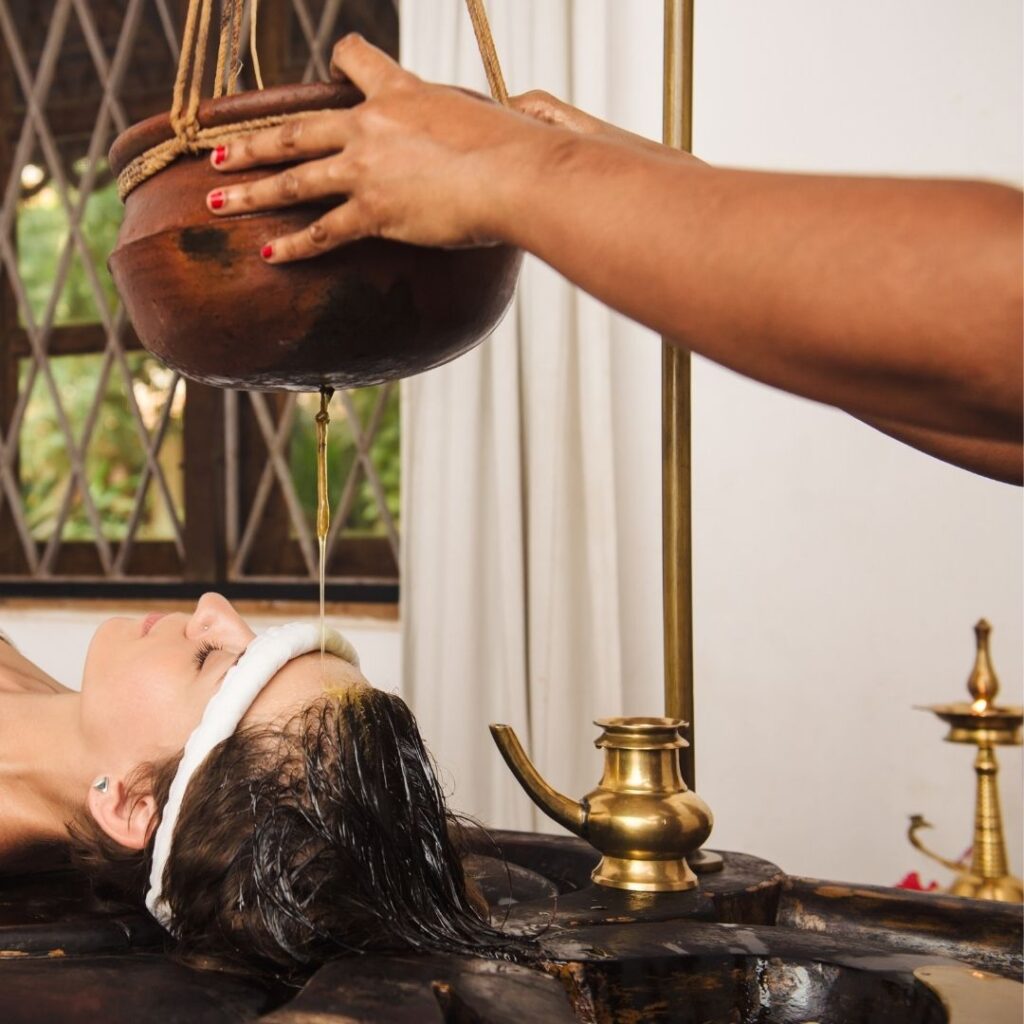
When clinically appropriate, therapies such as Shirodhara, Nasya, Abhyanga, Shiro Abhyanga, and other Ayurvedic procedures may be recommended following individual assessment. These therapies are traditionally used to support Dosha balance, relaxation, stress management, and overall well-being. The choice, duration, and frequency of therapy depend on the individual’s condition, strength, and treatment needs.
Ayurvedic Medicines
Ayurvedic medicines are prescribed according to the individual’s Ayurvedic assessment rather than simply the name of the condition. Depending on the presentation, formulations may contain herbs such as Brahmi, Shankhpushpi, Jatamansi, Ashwagandha, Guduchi, and other classical Ayurvedic ingredients traditionally used to support nervous system health, mental well-being, stress adaptation, digestion, and overall balance. The specific formulation, dosage, and duration are individualized according to the patient’s condition and other health considerations. Ayurvedic medicines should not be self-prescribed and should be taken under the guidance of a qualified Ayurvedic physician.

Why Choose DNAveda for Migraine, Chronic Headache & Vertigo Treatment?
At DNAveda, we understand that recurring migraine, chronic headaches, and vertigo can affect your daily routine and quality of life. Our Ayurvedic approach focuses on understanding your individual symptoms and developing care according to your specific needs.

20+ Years of Ayurvedic Clinical Experience
Our experienced Ayurvedic physician brings more than two decades of clinical experience in managing a wide range of health concerns, including headache and migraine-related complaints.

Personalized Treatment Plans
Migraine, chronic headaches, and vertigo can affect individuals differently. Treatment recommendations are developed according to your symptoms, health history, and individual Ayurvedic assessment.

Individually Selected Panchakarma Therapies
Where appropriate, therapies such as Shirodhara, Nasya, and other Panchakarma procedures may be included based on your condition and treatment requirements.

An Individualized Ayurvedic Approach
Our approach considers the specific nature of your headache, migraine, or vertigo symptoms rather than applying a fixed treatment protocol to every patient.

Integrated Care and Guidance
Depending on your needs, care may include Ayurvedic medicines, suitable therapies, dietary guidance, and recommendations related to daily routine and lifestyle.

Compassionate, Patient-Centred Care
We take your symptoms, concerns, treatment goals, and response to care into account while providing guidance throughout your treatment journey.
Looking for Personalized Ayurvedic Care?
Recurring migraine, chronic headaches, or vertigo can have different patterns and underlying factors. Understanding your symptoms, health history, lifestyle, and individual Ayurvedic constitution can help determine whether an Ayurvedic approach is appropriate for you.
At DNAveda, treatment is planned individually rather than following a fixed protocol. If you are considering Ayurvedic treatment for migraine, chronic headache, or vertigo, consult our Ayurvedic physician to discuss your symptoms and understand the treatment approach suited to your needs.
Frequently Asked Questions (FAQs) About Migraine, Headache & Vertigo
How to cure migraine permanently?
There is no treatment that can guarantee a permanent cure for migraine in every person. Migraine is often a recurring neurological condition, and the frequency and severity of attacks can vary from person to person. Management generally focuses on reducing the frequency and intensity of attacks, identifying individual triggers, and improving day-to-day quality of life.
From an Ayurvedic perspective, treatment is individualized according to the person’s symptoms, constitution, imbalances, diet, lifestyle, and other relevant factors. The aim is to address contributing factors and support better long-term management rather than promise a permanent cure.
What is the Ayurvedic view of the root cause of migraine?
According to Ayurveda, recurring headaches and migraine-like symptoms may be understood in relation to an imbalance of the Doshas, particularly Vata Dosha and, depending on the individual’s presentation, Pitta Dosha. Ayurvedic assessment may also consider Agni, Ama, Prakriti, Vikriti, diet, sleep, stress, and daily routine.
The specific factors involved can differ between individuals. Therefore, Ayurveda does not consider the same single cause or treatment approach to be applicable to everyone experiencing migraine.
Which Ayurvedic medicine is used for migraine headache?
There is no single Ayurvedic medicine that is suitable for everyone with migraine. The choice of medicine depends on the nature of the migraine, associated symptoms, and the Ayurvedic assessment of the individual.
An Ayurvedic physician may select an appropriate classical formulation or combination of medicines according to the patient’s specific needs. Ayurvedic medicines should be taken under the guidance of a qualified Ayurvedic physician rather than self-selected based only on the condition name.
Which Ayurvedic herbs may be included in migraine formulations?
Depending on the individual’s Ayurvedic assessment and the formulation prescribed, certain traditional Ayurvedic herbs such as Brahmi, Shankhpushpi, Jatamansi, Ashwagandha, or Guduchi may be included in a treatment plan.
However, these herbs are not universal or stand-alone treatments for migraine. Their selection, dosage, combination, and suitability depend on the individual’s condition. Self-prescribing herbs or Ayurvedic medicines based only on an online list is not recommended.
Can Panchakarma help with migraine?
Panchakarma may be considered as part of an individualized Ayurvedic treatment plan for some people with recurring migraine or headache symptoms. Therapies such as Shirodhara, Nasya, Abhyanga, or other procedures may be selected depending on the person’s Ayurvedic assessment and overall health.
Panchakarma is not a fixed treatment protocol for migraine, and not every therapy is appropriate for every person. A qualified Ayurvedic physician should determine whether Panchakarma is suitable and which procedures, if any, should be included.
How can migraine symptoms be managed naturally?
Natural measures that may support migraine management include maintaining regular sleep and meal timings, staying adequately hydrated, avoiding prolonged fasting, managing stress, taking appropriate breaks from screens, and identifying personal triggers.
Some people also explore Ayurvedic approaches such as dietary adjustments, Dinacharya, relaxation practices, and individualized therapies. These measures are intended to support symptom management and overall well-being; they should not be presented as a guaranteed way to stop a migraine attack quickly.
What foods and drinks may help or trigger migraine?
Migraine triggers vary considerably from person to person. Skipping meals, dehydration, excessive caffeine or sudden changes in caffeine intake, alcohol, and certain foods may trigger attacks in some individuals.
Rather than following a universal list of foods to avoid, keeping track of meals, drinks, symptoms, sleep, and other possible triggers can help identify individual patterns. Regular meals and adequate hydration may also support migraine management.
What is a good daily routine for someone with migraine?
A consistent daily routine can be helpful for people who experience recurring migraine. This may include maintaining regular sleep and waking times, eating meals at reasonably consistent intervals, drinking enough fluids, taking breaks during prolonged screen use, incorporating suitable physical activity, and allowing time for relaxation.
In Ayurveda, such regularity can be incorporated into Dinacharya. The routine should be adapted to the individual’s symptoms, lifestyle, and health needs rather than followed as a rigid schedule.
What should you avoid doing during a migraine attack?
During a migraine attack, it may be helpful to avoid known personal triggers and activities that clearly worsen symptoms. Depending on the individual, these may include bright light, loud noise, strong smells, strenuous activity, dehydration, prolonged screen exposure, or skipping food.
Resting in a quiet, comfortable environment and maintaining adequate hydration may help some people manage an attack. If the headache is unusually severe, sudden, significantly different from previous attacks, or accompanied by concerning neurological symptoms, medical evaluation is important.
Can a vitamin or nutrient deficiency cause migraine?
Certain nutritional deficiencies have been investigated in relation to migraine, but there is no single vitamin or nutrient deficiency that explains migraine in everyone. Nutritional needs vary between individuals, and symptoms alone cannot establish that a deficiency is responsible.
If a deficiency is suspected, appropriate medical evaluation and testing may be needed. Taking high doses of vitamins or supplements without determining whether they are necessary is not advisable.
What is a silent migraine?
A silent migraine, commonly used to describe migraine aura without headache, can involve typical aura symptoms without the headache pain that many people associate with migraine. Symptoms may include temporary visual changes, tingling or numbness, difficulty speaking, or other neurological symptoms.
Because some of these symptoms can resemble those of more serious neurological conditions, a new or sudden episode should not automatically be assumed to be a silent migraine. Appropriate medical evaluation is important, particularly when the symptoms are occurring for the first time.
Is migraine a brain problem or a neurological condition?
Migraine is a neurological condition involving abnormal activity and sensitivity within the nervous system. It can cause more than headache pain and may be associated with nausea, vomiting, sensitivity to light or sound, visual disturbances, and other symptoms.
Although the exact mechanisms of migraine are complex, it is not simply an ordinary headache. Recurrent or changing headache patterns should be evaluated appropriately so that migraine and other possible causes can be distinguished.
Can migraine cause vertigo?
Yes, migraine can be associated with vertigo. Vestibular migraine is one condition in which episodes of vertigo or other vestibular symptoms occur in association with migraine.
Vertigo can also have other causes, including inner-ear disorders and neurological conditions. Therefore, recurring or unexplained vertigo should not automatically be attributed to migraine without appropriate evaluation.
What causes and triggers vertigo?
Vertigo can have several possible causes. Common examples include benign paroxysmal positional vertigo (BPPV), other inner-ear disorders, vestibular migraine, and certain neurological conditions. Head or neck injuries and some medications can also be associated with dizziness or balance problems.
Stress, fatigue, and lack of sleep may worsen symptoms in some people, but they are not necessarily the underlying cause of vertigo. Identifying the cause is important because treatment depends on the type of vertigo.
What is the best treatment for vertigo, and is Ayurvedic treatment suitable for every type?
There is no single treatment that is considered best for every type of vertigo. Management depends on the underlying cause, symptoms, medical history, and the type of vestibular disorder involved.
Ayurvedic treatment may be considered for some individuals after an appropriate assessment, but it should not replace necessary medical evaluation, particularly when vertigo is sudden, severe, recurrent, or accompanied by neurological symptoms. At DNAveda, Ayurvedic treatment is planned according to the individual’s condition rather than using one fixed protocol for all types of vertigo.
Address
D58, near Kaushambi Metro Station, Anand Vihar, Kaushambi, Ghaziabad, Uttar Pradesh 201010
Call Us
+91 9625554890
Email Us
ayurvedadna@gmail.com