
Ayurvedic Treatment for Eyes and ENT Diseases
Eye, ear, nose and throat conditions can affect vision, hearing, breathing, sleep and everyday comfort. Dry eyes, eye strain, ringing in the ears, nasal allergies and recurring throat discomfort are common concerns that can interfere with daily life.
In Ayurveda, conditions affecting these areas are traditionally discussed under Shalakya Tantra, a branch of Ayurvedic knowledge concerned with the eyes, ears, nose, mouth and throat. Its traditional framework considers the nature of the symptoms and the person’s overall health when exploring appropriate care.
At DNAveda, an Ayurvedic clinic and Panchakarma wellness centre in Delhi NCR, people can enquire about Ayurvedic consultations for their health concerns. Understanding the nature of a condition is an important first step in exploring suitable care.
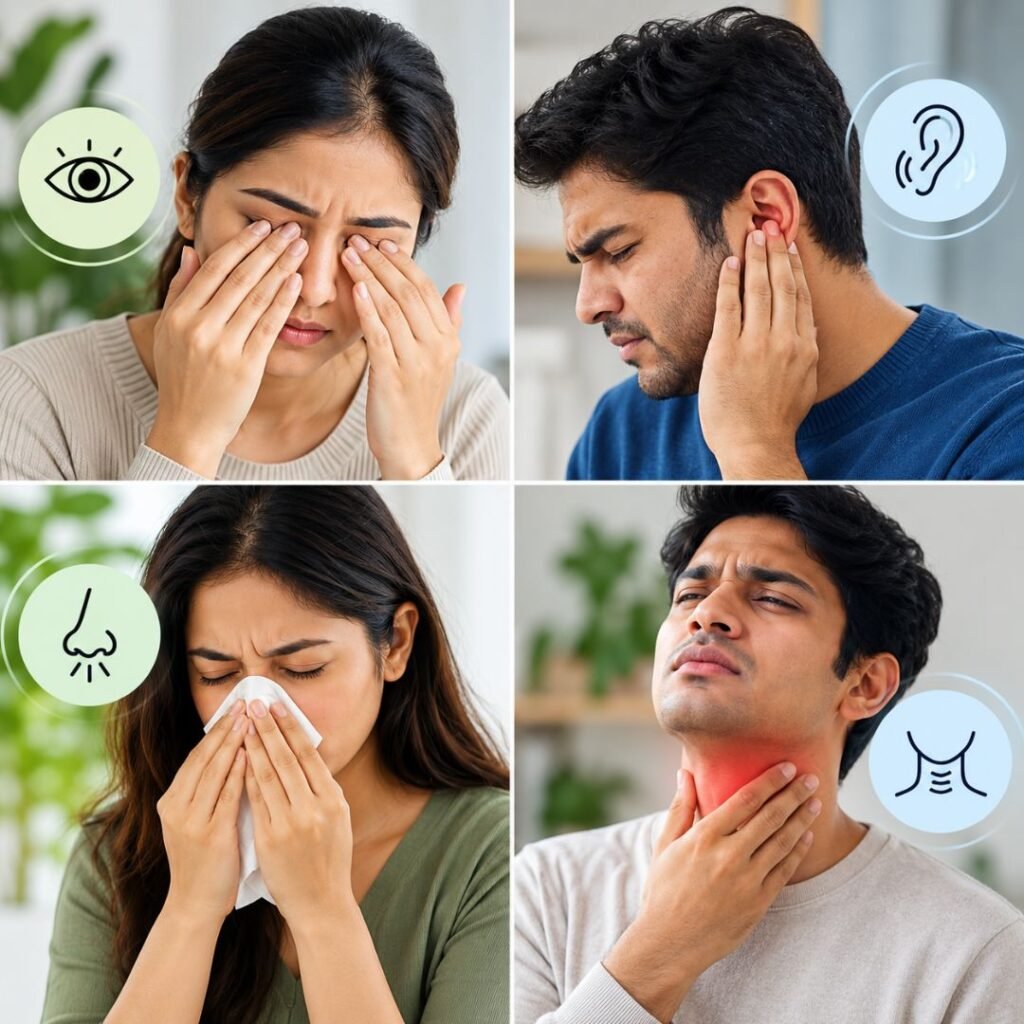
Eye Care and Common Eye Disorders in Ayurveda
Eye problems range from temporary dryness and irritation to conditions that affect the structure of the eye or the clarity of vision. Although some symptoms may feel similar, their causes can differ considerably.
Ayurveda has a traditional framework for understanding eye disorders, known as Netra Roga. Ayurvedic descriptions of eye health include concepts such as Alochaka Pitta, which is associated with the perception of sight in classical Ayurvedic thought.
Understanding the specific eye concern helps distinguish everyday discomfort from symptoms that may indicate an underlying eye condition.
Ayurvedic Treatment for Eyes: Understanding the Traditional Approach
People searching for Ayurvedic treatment for eyes may be looking for information about traditional eye-care practices, approaches to eye discomfort or ways to understand a particular vision-related concern.
Ayurvedic eye care draws on classical concepts relating to the eyes and their functions. The traditional approach considered depends on the nature of the complaint, its symptoms and the person’s circumstances.
For example, dryness and irritation present different concerns from progressive blurred vision or clouding of the eye’s natural lens. These problems should be understood individually rather than grouped together under a single approach to eye care.
Dry Eyes, Burning and Eye Strain

Dry eyes and eye strain can cause discomfort during reading, computer work and other everyday activities. Symptoms may include:
- A feeling as though tiny particles are irritating the surface of the eyes.
- Burning, stinging or irritation
- A feeling of tiredness after prolonged screen use
- Watery eyes accompanied by dryness
- Temporary blurred vision or difficulty maintaining visual comfort
Possible causes include prolonged screen use, environmental conditions, reduced tear production, certain medications and underlying eye conditions.
From an Ayurvedic perspective, eye discomfort is considered within the traditional framework of eye health and the person’s overall presentation. The specific symptoms remain important when understanding the concern.
Taking regular breaks during screen use, avoiding direct exposure to irritating airflow and maintaining a comfortable working environment may help reduce some forms of eye strain. If eye discomfort continues, becomes painful or affects how clearly you see, arrange an assessment with an eye-care professional.
Vision Problems and Cataracts

Blurred vision, difficulty focusing, glare and reduced clarity can develop for several reasons, including refractive errors, age-related changes and eye diseases.
A cataract develops when changes within the eye’s lens reduce its transparency. As it progresses, colours may appear less vivid, bright lights can become uncomfortable, and activities such as reading or driving after dark may become more difficult. Cataracts often develop gradually, so early changes may be mistaken for ordinary age-related vision problems.
Ayurveda has traditional descriptions of eye disorders, but these should not be taken as proof that a particular Ayurvedic approach can reverse a cataract. When cataracts begin to interfere substantially with everyday activities, an ophthalmologist may recommend an operation to take out the affected lens and insert a clear artificial one.
The appropriate approach to vision problems depends on identifying their cause and understanding how they affect everyday activities.
Ayurvedic Approaches to Ear, Nasal and Throat Concerns
Ear, nose and throat concerns can affect several everyday functions, including hearing, balance, breathing, smell, speech and swallowing. Some symptoms resolve quickly, while others recur or persist.
Within Ayurveda, these conditions are traditionally considered under the broader scope of Shalakya Tantra. The relevant traditional understanding varies according to the part affected and the nature of the complaint.
Ayurvedic Treatment for Ear Problems
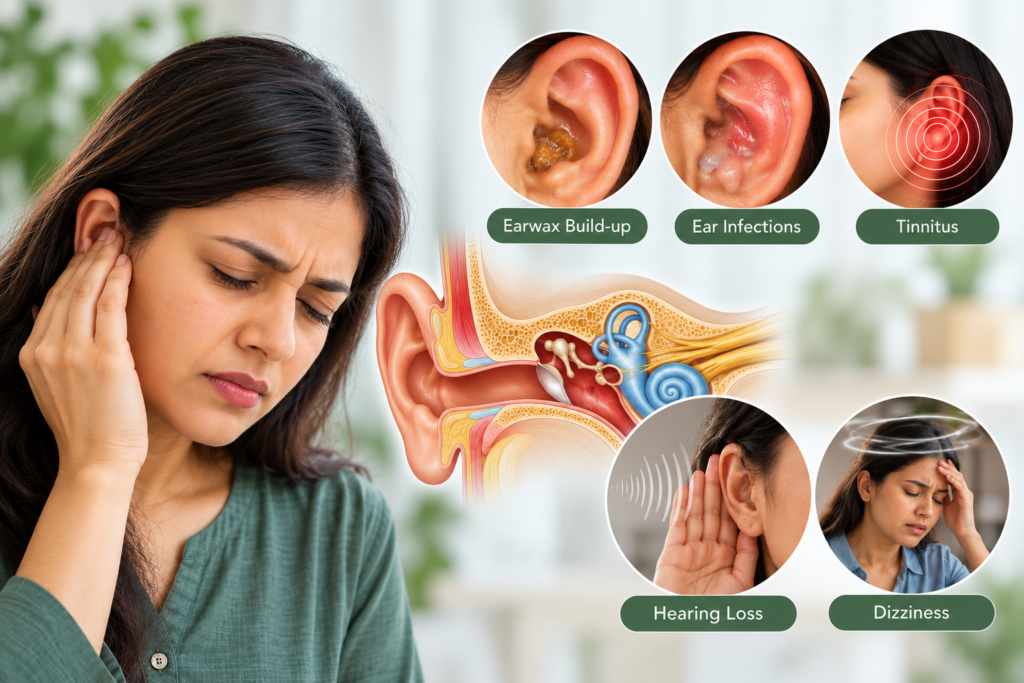
Ear problems can involve pain, ringing sounds, a feeling of fullness, discharge, dizziness or reduced hearing. Their causes vary and may include earwax build-up, infections, noise exposure or conditions affecting the inner ear.
Tinnitus refers to hearing sounds such as ringing, buzzing or humming when there is no corresponding external sound. For some people, the sound is brief; for others, it remains noticeable for much longer.
Hearing Loss may become noticeable little by little or begin unexpectedly. Gradual changes may be associated with ageing, noise exposure or other ear conditions, while sudden hearing loss requires urgent assessment.
Ayurveda traditionally discusses ear-related disorders under Karna Roga. The traditional approach considers the nature of the ear complaint and the person’s overall presentation.
Persistent ear pain, discharge, recurring dizziness or changes in hearing deserve attention because different underlying causes require different approaches.
Nasal Allergies, Sinus Symptoms and Nasal Congestion

Nasal symptoms can affect breathing, sleep, concentration and the sense of smell. Common concerns include:
- Frequent sneezing and nasal itching
- A runny or blocked nose
- Symptoms that recur during particular seasons
- Facial pressure or discomfort
- Reduced sense of smell
- Nasal symptoms that interfere with sleep
Allergic rhinitis, respiratory infections and sinus conditions can produce overlapping symptoms, although their causes and management differ.
Ayurveda traditionally discusses nasal conditions under Nasa Roga. The traditional approach varies according to the symptoms and the person’s circumstances.
Recurring nasal congestion, persistent facial discomfort or a prolonged reduction in the sense of smell may require further evaluation to establish the underlying cause.
Ayurvedic Treatment for Sore Throat and Throat Infections

A sore throat may cause pain while swallowing, scratchiness, irritation or hoarseness. Common causes include viral infections, bacterial infections, allergies, environmental irritants and acid reflux.
Ayurvedic texts describe throat-related conditions within the traditional framework of Shalakya Tantra. Traditional approaches vary according to the symptoms and the concern being considered.
The cause matters because a throat irritation related to dryness or allergies is not the same as an infection. Persistent or worsening symptoms, significant fever or difficulty swallowing need appropriate assessment. Difficulty breathing or an inability to swallow saliva requires emergency attention.
Shalakya Tantra: The Traditional Ayurvedic Approach to Eye and ENT Health
Shalakya Tantra is a classical branch of Ayurveda concerned with conditions affecting the head, eyes, ears, nose, mouth and throat. It forms part of the traditional Ayurvedic framework for understanding disorders involving these areas.
Some of its traditional classifications include Netra Roga (Eye-related disorders), Karna Roga (Ear-related disorders) and Nasa Roga (Nasal disorders).
These terms describe categories within Ayurvedic knowledge and help explain how traditional Ayurvedic texts organise conditions affecting the sensory organs.
The approach to a particular complaint depends on the condition being considered. For someone experiencing dry eyes, for example, the relevant questions differ from those involved in progressive vision changes, recurring nasal allergies or tinnitus.
Understanding Traditional Ayurvedic Eye Therapies
Certain procedures are described in traditional Ayurvedic eye care. One example is Netra Tarpana, a procedure involving the retention of a specially prepared substance around the eyes within a shaped boundary.
Netra Tarpana is a traditional Ayurvedic practice rather than a general treatment for every eye disorder. Its purpose and suitability depend on the particular concern and how the procedure is performed.
The existence of a traditional procedure does not establish its effectiveness for every eye condition. Claims about its benefits should therefore be considered in relation to the specific condition and available evidence.
Everyday Habits That Support Eye and ENT Health
Everyday habits can influence eye comfort and the frequency or severity of some nasal and throat symptoms. Useful measures depend on the concern.

For eye strain
Take regular breaks during prolonged screen use and use comfortable lighting while reading.

For nasal allergies
Reduce exposure to known triggers where practical and keep indoor environments appropriately ventilated.

For throat irritation
Avoid smoke and other known irritants that aggravate symptoms.
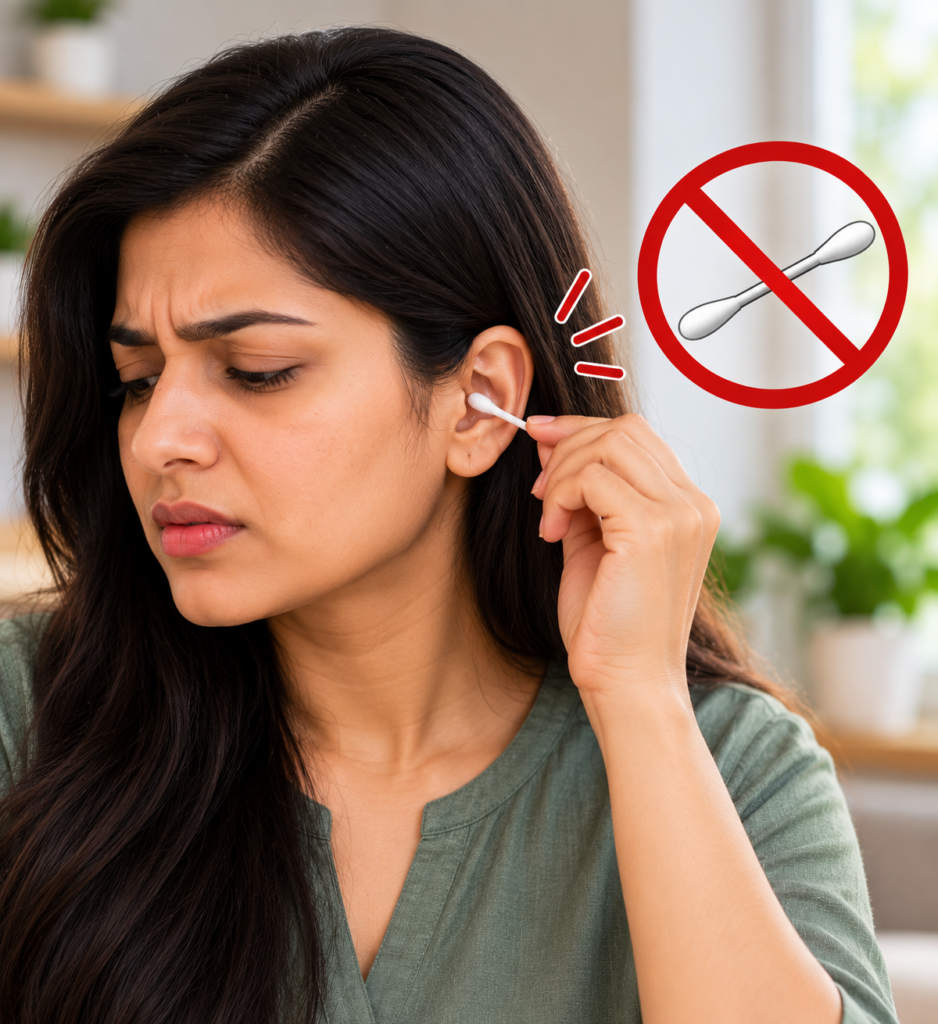
For ear health
Avoid inserting cotton buds or other objects into the ear canal.

For recurring symptoms
Keep track of when symptoms occur, how long they last and what appears to trigger them.
These measures can help with everyday symptom management, but they do not establish the cause of a persistent problem. When a complaint repeatedly comes back or its cause remains unclear, getting professional guidance can help clarify the next steps.
Frequently Asked Questions About Ayurvedic Eye and ENT Care
What are the treatments for eye diseases in Ayurveda?
Ayurveda has a traditional system of eye care that considers the type of eye concern, its symptoms and the person’s overall health. Ayurvedic approaches may include dietary and lifestyle measures, traditional medicines and selected therapies depending on the condition being considered. The appropriate approach differs between concerns such as dryness and irritation, eye strain, vision changes and cataracts. A persistent or significant change in vision should first be assessed to understand its underlying cause.
Can eyesight be improved by Ayurveda?
Ayurvedic eye care may support general eye health and address factors associated with certain forms of eye discomfort, but whether vision can improve depends on what is causing the change. Refractive errors, cataracts, eye diseases and problems affecting the optic nerve require different forms of assessment and care. Ayurveda should not be presented as a way to restore all types of vision loss or eliminate the need for glasses.
How can I improve my eyesight naturally in Ayurveda?
Natural eye-care measures can support healthy visual habits, particularly when eye discomfort is related to prolonged screen use or lifestyle factors. Regular breaks from screens, adequate lighting, sufficient sleep, a balanced diet and protection from excessive environmental irritation can all contribute to better eye comfort. These measures cannot be expected to reverse conditions such as cataracts, significant refractive errors or established eye disease.
How can Ayurveda help with dry eyes?
Ayurveda traditionally approaches dry-eye complaints by considering the symptoms, contributing factors and the person’s overall health. Lifestyle and dietary measures, along with appropriate traditional Ayurvedic care, may be considered according to the individual concern. Reducing prolonged screen exposure, taking regular visual breaks and avoiding direct airflow toward the eyes may also improve comfort for some people. Ongoing dryness, pain or changes in vision warrant an eye examination to identify the underlying cause.
What are some Ayurvedic treatments for ear problems?
Ayurveda has a traditional approach to ear disorders, described under Karna Roga. The care considered may vary according to whether the concern involves pain, tinnitus, hearing changes, congestion, discharge or balance-related symptoms. Traditional Ayurvedic medicines, lifestyle measures or therapies may be considered according to the individual presentation. Persistent pain, discharge, dizziness or a change in hearing should be evaluated to determine the underlying cause.
What is the Ayurvedic approach to tinnitus and hearing problems?
Ayurveda traditionally considers tinnitus and other ear-related complaints according to their symptoms and the person’s overall health rather than using one treatment for every case. Traditional Ayurvedic care may be explored as part of an individualised approach, but tinnitus and hearing loss can have many different causes. New or sudden hearing loss, persistent tinnitus or symptoms accompanied by dizziness or other neurological changes require appropriate medical assessment.
What are some Ayurvedic treatments for throat infections?
Ayurveda has traditional approaches to throat-related conditions within Shalakya Tantra. The approach depends on the nature of the symptoms and whether the throat problem is associated with irritation, allergy, infection or another underlying cause. Traditional Ayurvedic medicines, dietary measures and supportive practices may be considered according to the individual concern. A severe or worsening throat infection, significant fever, difficulty swallowing or breathing difficulty requires appropriate medical attention.
How can nasal allergies and congestion be managed in Ayurveda?
Ayurveda traditionally discusses nasal disorders under Nasa Roga and considers symptoms such as sneezing, nasal blockage, discharge, facial discomfort and changes in smell according to the individual’s presentation. Ayurvedic care may include traditional medicines, dietary or lifestyle measures and selected therapies where appropriate. Reducing exposure to known triggers and maintaining a comfortable, well-ventilated indoor environment can also help some people manage nasal symptoms. Persistent congestion, facial pain or a prolonged reduction in smell should be evaluated to identify the cause.
Explore Ayurvedic Care for Eye and ENT Concerns
If you are looking for Ayurvedic care for an eye, ear, nose or throat concern, DNAveda offers Ayurvedic consultations at its clinic and Panchakarma wellness centre in Delhi NCR.
Whether you are dealing with eye strain or dryness, tinnitus or hearing concerns, nasal allergies and congestion, or recurring throat discomfort, you can contact DNAveda to enquire about consultation availability and understand the Ayurvedic care options available for your concern.
Address
D58, near Kaushambi Metro Station, Anand Vihar, Kaushambi, Ghaziabad, Uttar Pradesh 201010
Call Us
+91 9625554890
Email Us
ayurvedadna@gmail.com