
Autism, ADHD & Developmental Disorders in Children: Ayurvedic Treatment & Support
Autism, ADHD and developmental disorders can affect a child’s communication, learning, attention, behaviour, social interaction and everyday functioning. Understanding the signs, possible causes, diagnosis and available support can help parents make informed decisions about their child’s care.
At DNAveda, we provide personalized Ayurvedic care for children with autism, ADHD, developmental delays, speech and language difficulties and related concerns. Our approach considers the child’s individual health, development, constitution, daily routine, diet, sleep, behaviour and overall wellbeing.
Ayurvedic care is provided as a complementary approach and does not replace appropriate developmental assessment, speech-language therapy, behavioural support, educational intervention or medically indicated treatment.
If something about your child’s development is worrying you, it is worth discussing those concerns early rather than waiting to see whether they resolve on their own.

What Are Autism, ADHD & Developmental Disorders?
Autism, ADHD and developmental disorders are neurodevelopmental conditions that can affect children in different ways.
Depending on the child, difficulties may involve:
- Communication and language
- Social interaction
- Attention and concentration
- Behaviour and impulse control
- Learning and problem-solving
- Motor development
- Emotional regulation
- Sensory processing
- Everyday activities and independence
A child may have difficulty in one particular area of development or experience difficulties across several developmental skills at the same time. Autism and ADHD can also occur alongside other developmental, learning, behavioural or health conditions.
Understanding the child’s complete developmental profile is therefore more useful than focusing only on a single symptom or diagnostic label.
Autism Spectrum Disorder in Children
Autism spectrum disorder (ASD) is a developmental condition that can influence how a child communicates, connects with other people and responds to everyday experiences. Some children may also show repetitive behaviours, strong interests or a preference for familiar routines. Because autism presents differently from child to child, the abilities, difficulties and level of support needed can vary considerably.
Symptoms generally become apparent during the first two years of life, although autism can be diagnosed later when developmental or social differences become more noticeable.
Common Autism Symptoms in Children
Possible signs of autism may include:
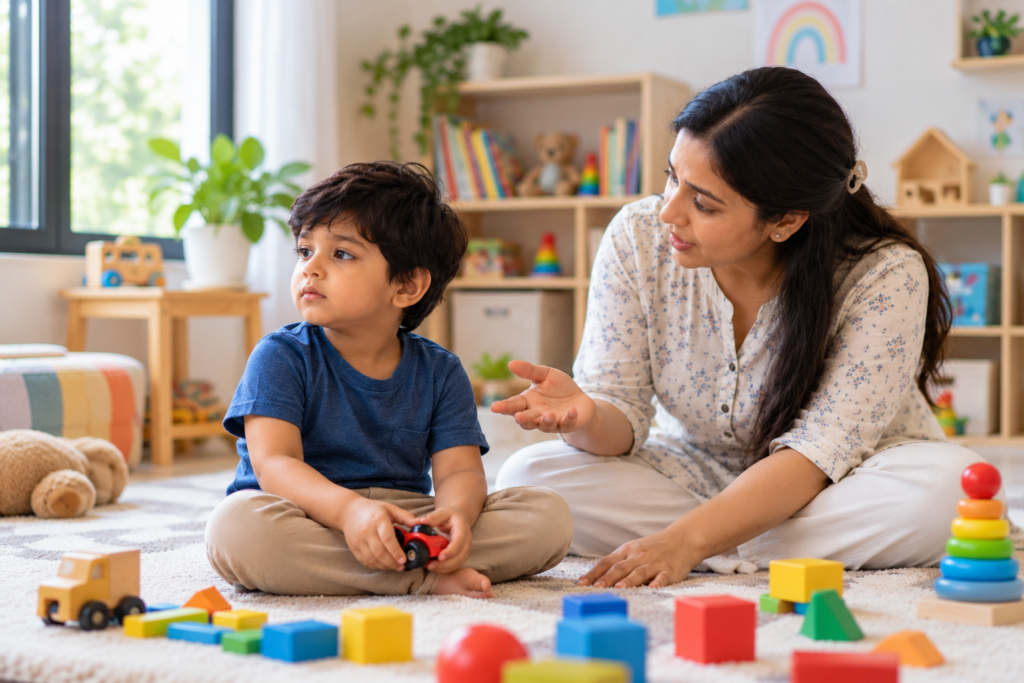
Social Communication & Interaction
- Reduced eye contact or fewer gestures during communication
- Inconsistent response to their name
- Differences in back-and-forth interaction
- Difficulty understanding or using social cues

Speech, Language & Play
- Delayed speech or language development
- Challenges expressing wants and needs
- Repeating words or phrases
- Differences in pretend or social play
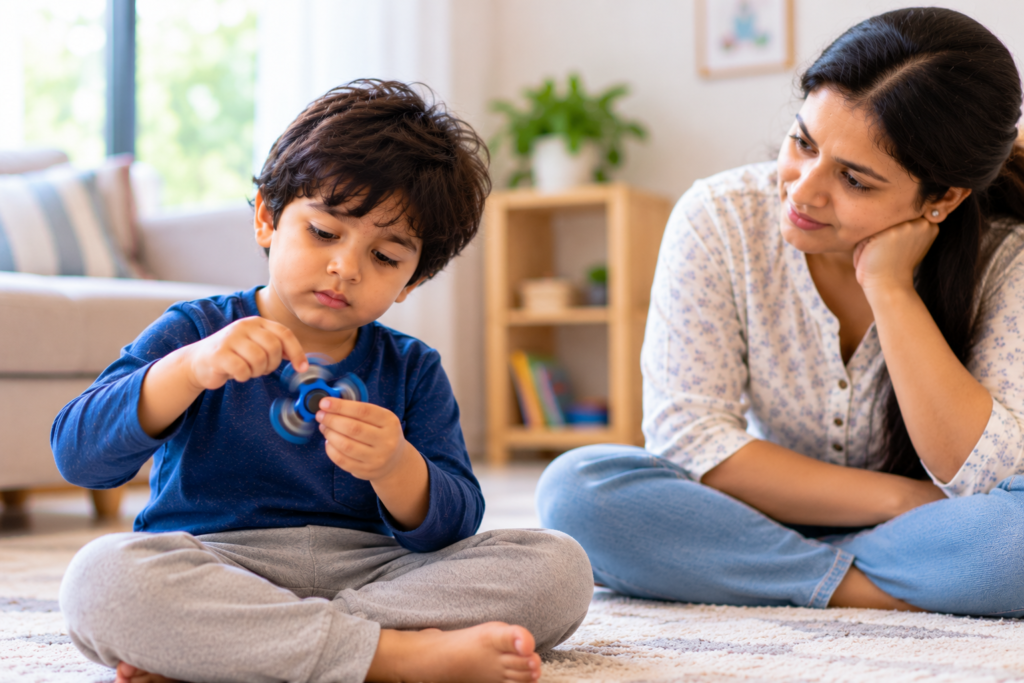
Repetitive Behaviours, Routines & Interests
- Repetitive movements or behaviours
- A strong preference for familiar routines
- Distress when routines change unexpectedly
- Intense or highly focused interests
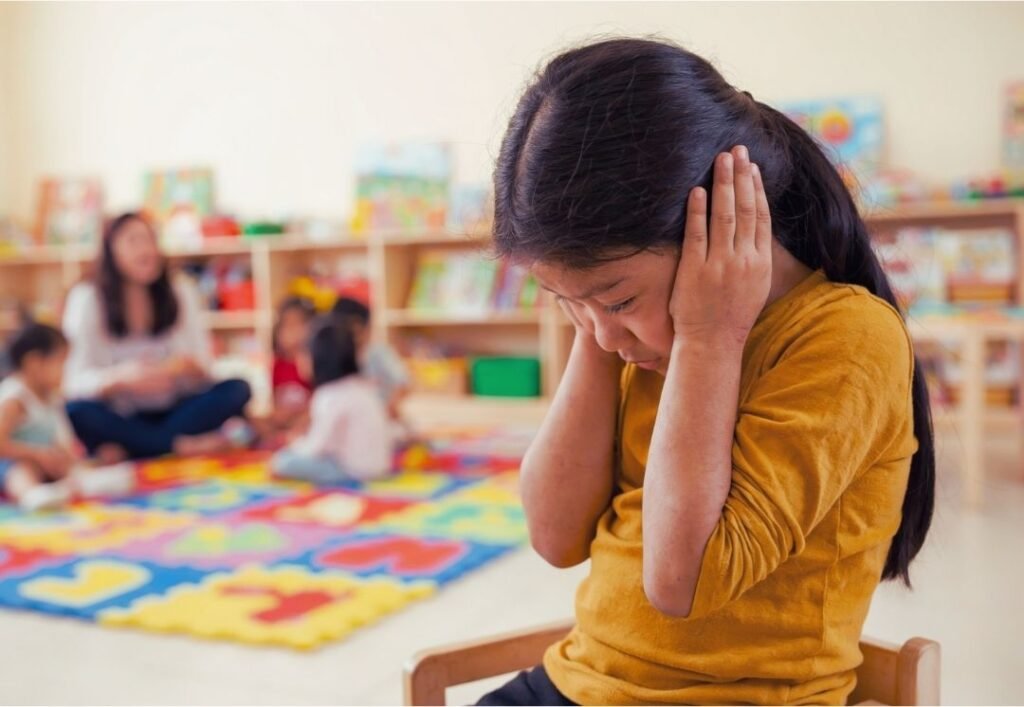
Sensory Responses
Strong or unusual responses to sounds, touch, light, textures or other sensory experiences
These behaviours can occur for many reasons, so seeing one of them alone is not enough to conclude that a child is autistic. A child’s development needs to be considered as a whole and, when appropriate, assessed by qualified professionals.
Early Signs of Autism in Babies & Infants
Parents often search for the early signs of autism when they notice differences in their baby’s communication, social interaction or behaviour.
A newborn’s individual behaviour cannot be used on its own to determine whether the child has autism. Development is assessed over time as communication, social interaction and other skills emerge. Instead, developmental patterns are considered over time. Possible early concerns can include:
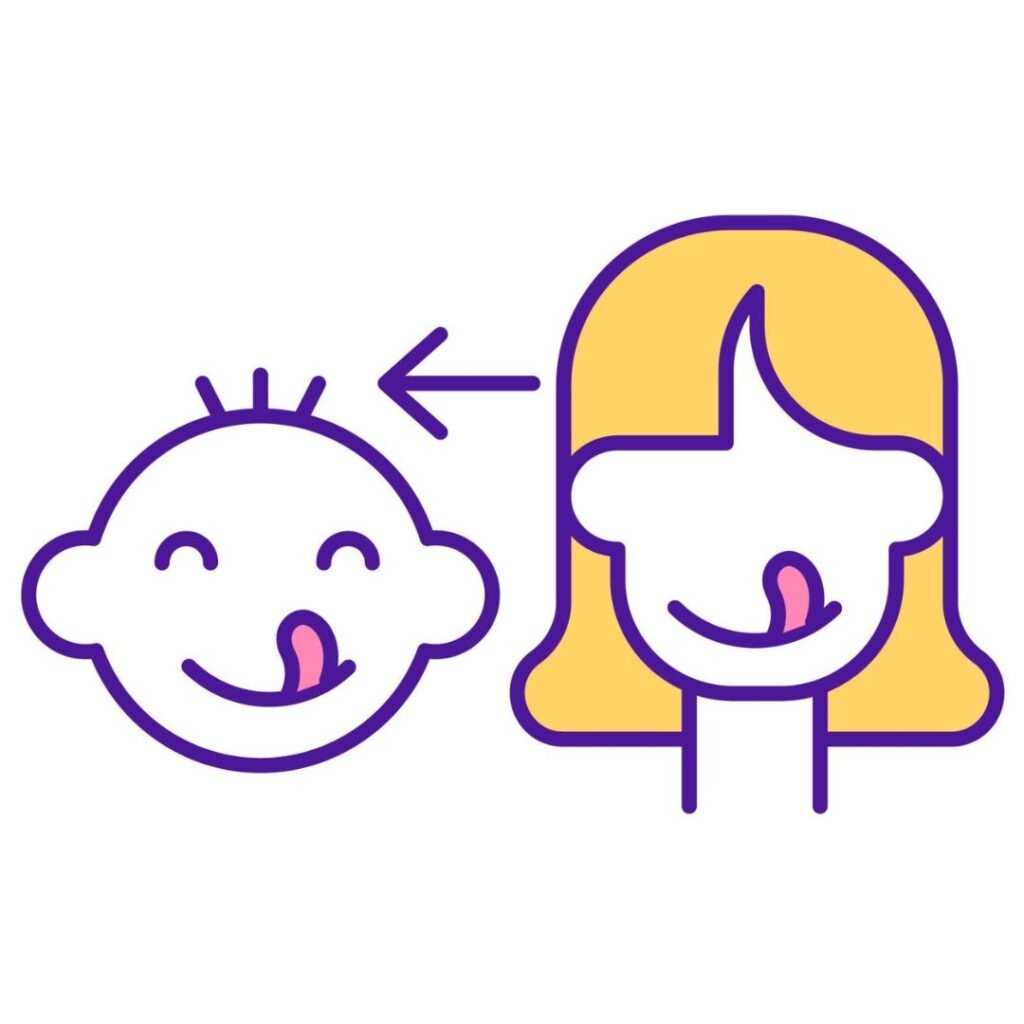
Social Interaction
- Less frequent social smiling or interaction
- Differences in eye contact
- Less frequent sharing of interests with caregivers
Communication & Gestures
- Inconsistent response to their name
- Infrequent use of gestures such as pointing, showing or waving
- Delays in babbling or early communication
- Less frequent imitation of actions or sounds
Repetitive Movements
- Repetitive movements or actions
Sensory Responses
- Different or strong responses to sounds or other sensory experiences
What Causes Autism Spectrum Disorder?
Autism does not have one identifiable cause. Its development is thought to involve a combination of genetic and developmental influences.
Research suggests that genetic and developmental factors, together with aspects of the environment, can influence the development of autism. Certain factors are associated with a higher likelihood of ASD, but having a risk factor does not mean that a child will necessarily develop autism.
This is why parents should be cautious about claims that autism has one simple cause or that one food, parenting practice, supplement or lifestyle factor is responsible for the condition.
A comprehensive developmental assessment is more useful than trying to identify one supposed “root cause.”
How Is Autism Diagnosed?
Autism diagnosis is based on a child’s development, behaviour and communication rather than on a single laboratory test.
Assessment may include:
Developmental
History
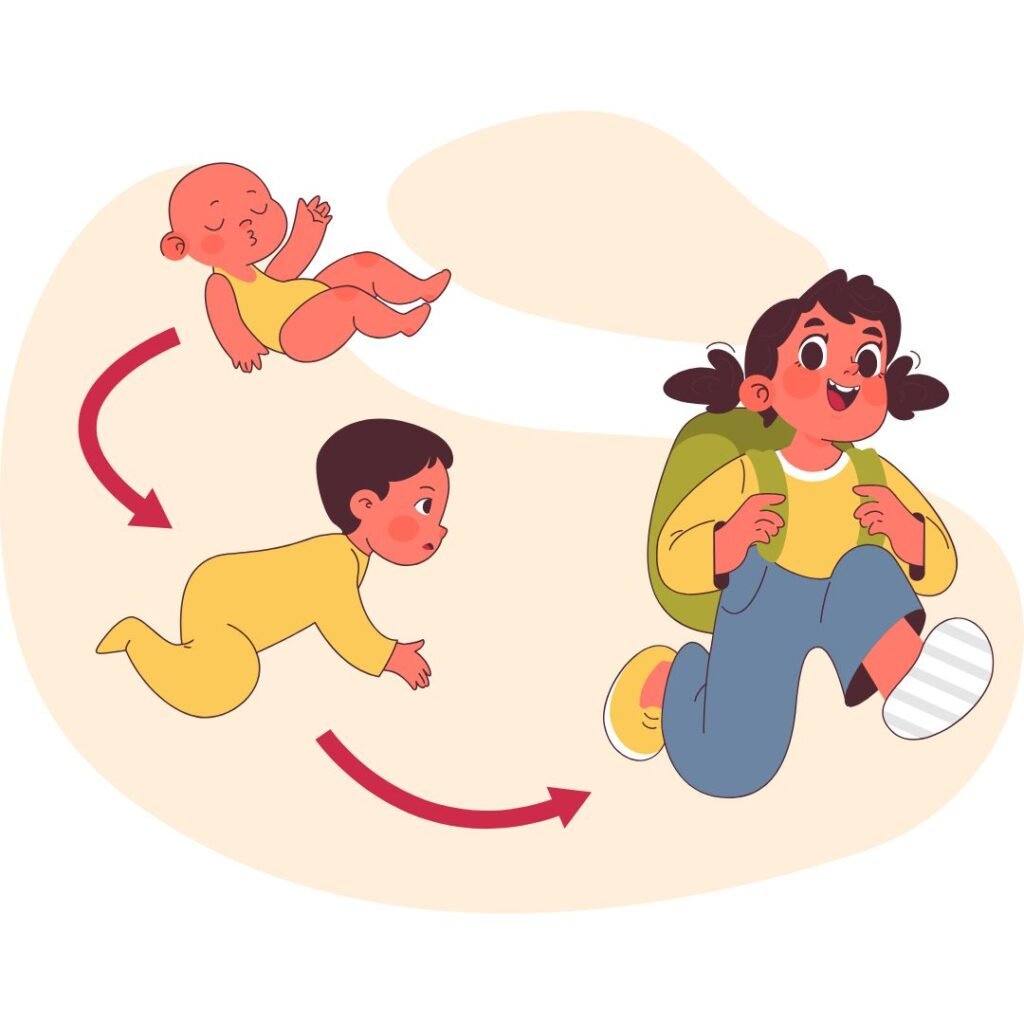
A detailed review of the child’s developmental milestones and history.
Parent & Caregiver Discussion
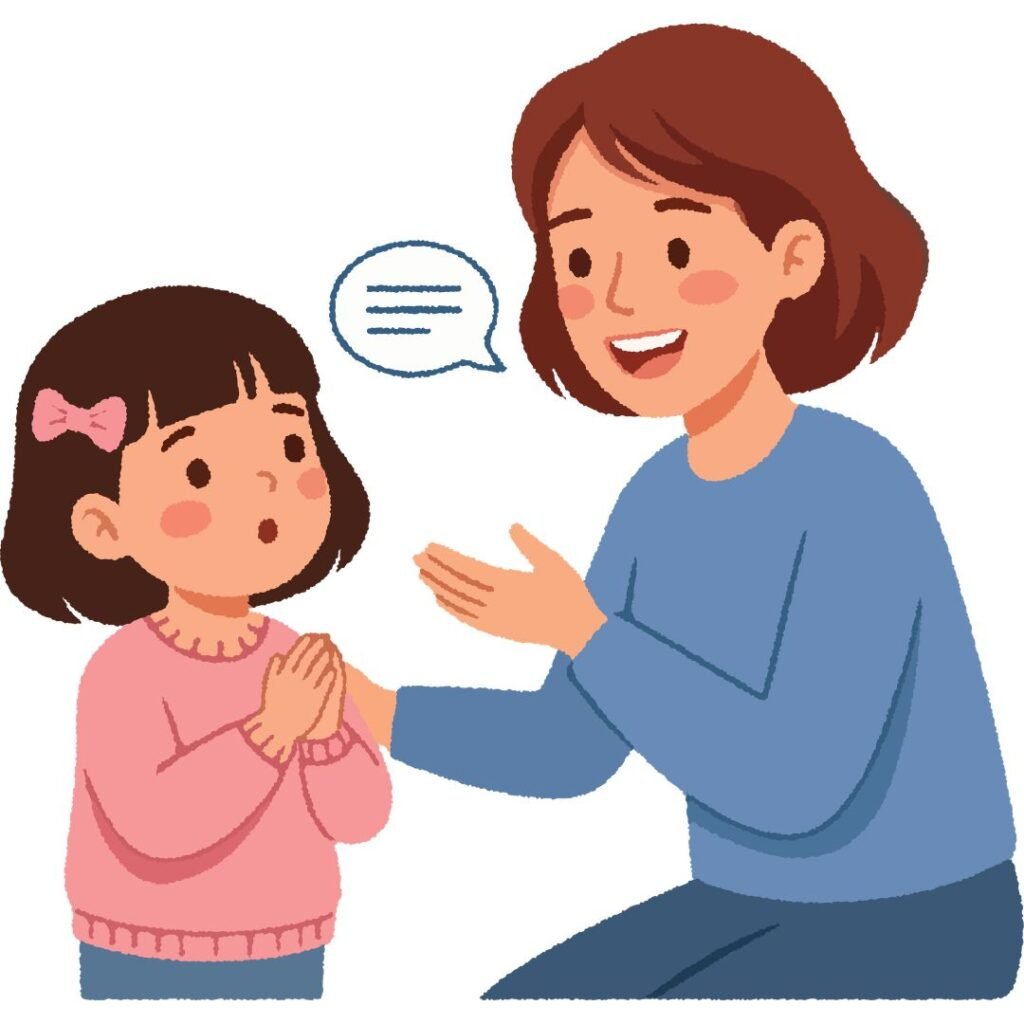
Understanding observations, concerns and behaviours reported by parents or caregivers.
Communication & Interaction
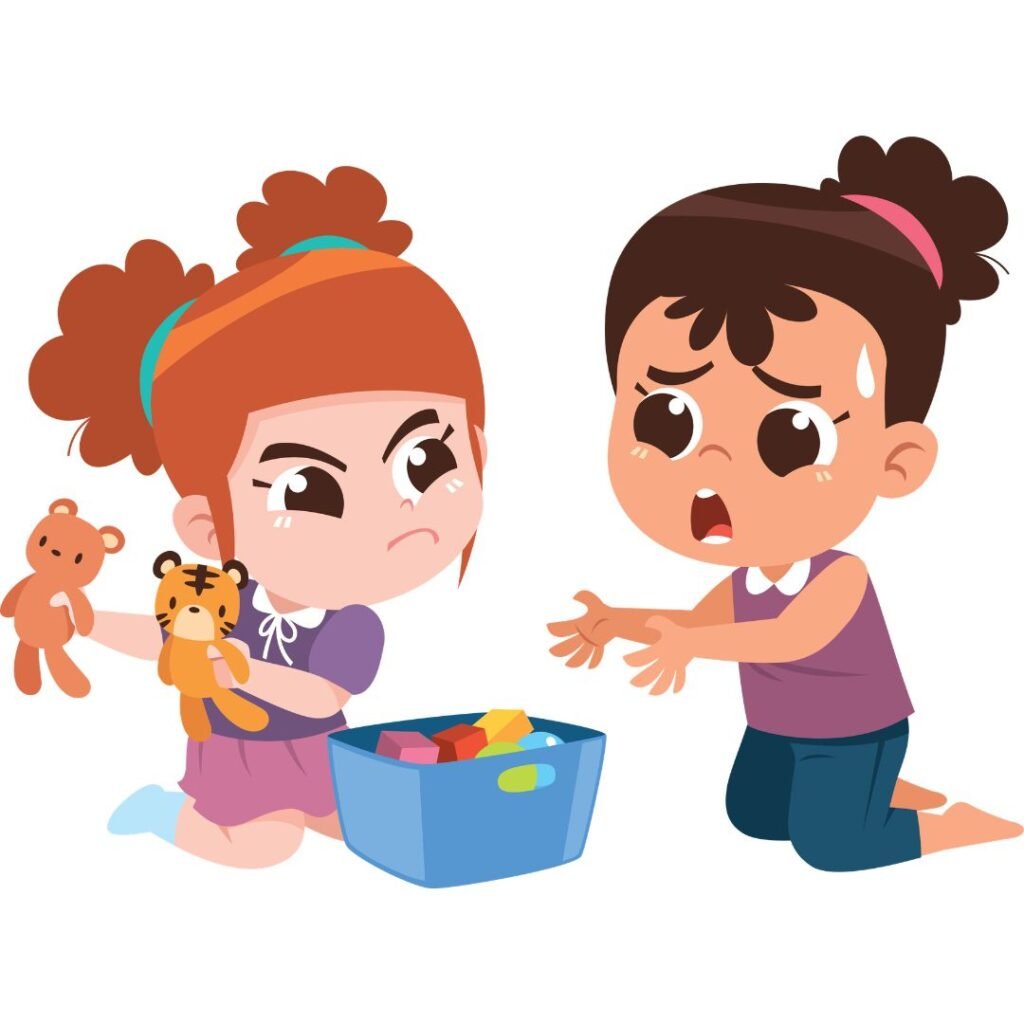
Observing how the child communicates, plays and interacts with other people, along with assessing language skills.
Development & Daily Living
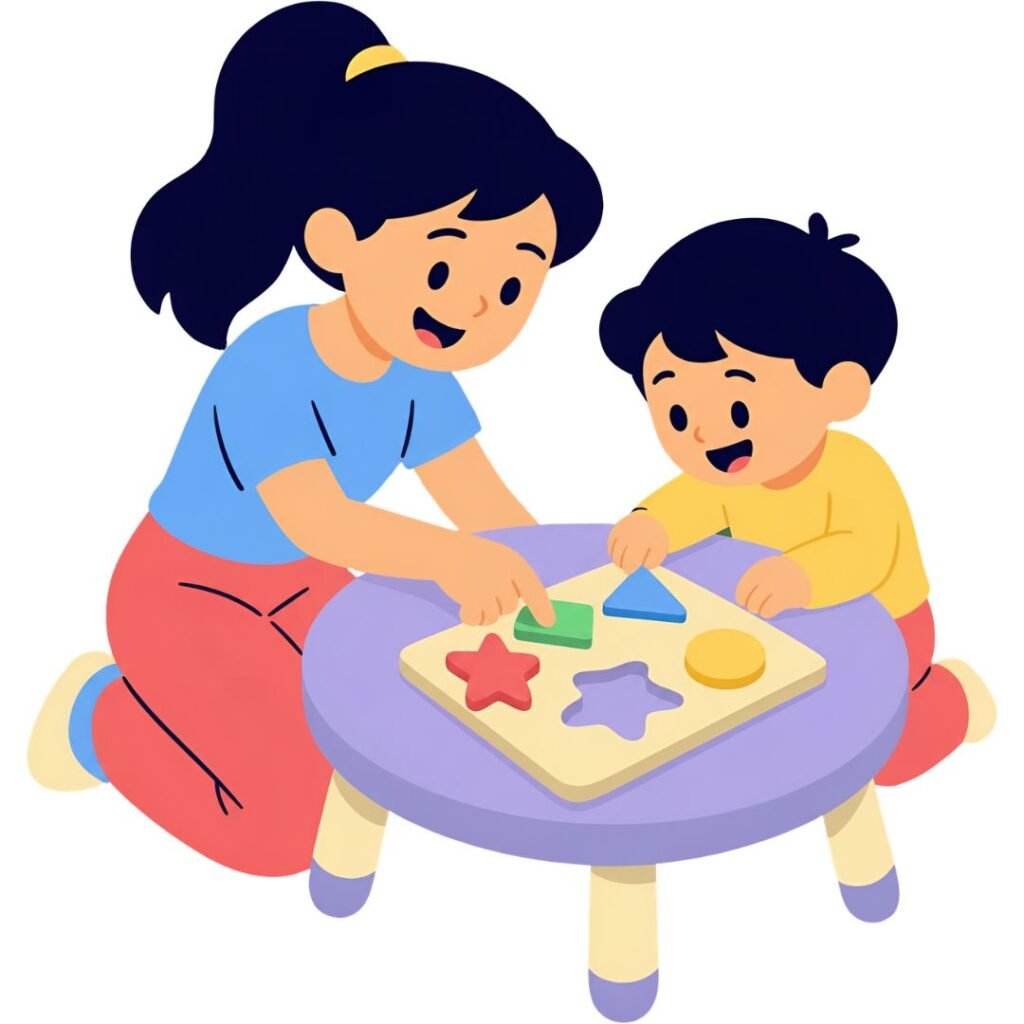
Reviewing cognitive and developmental abilities and age-appropriate everyday skills.
Additional Assessments, When Needed
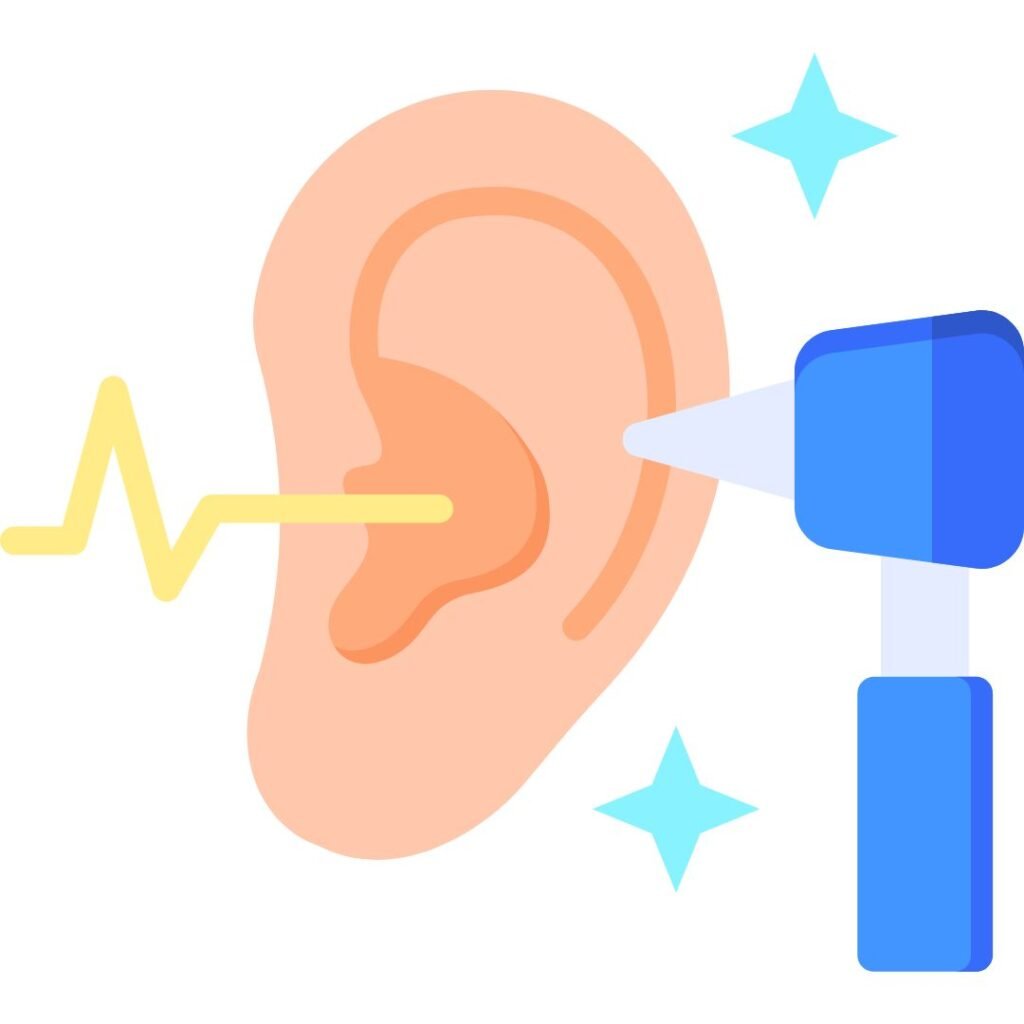
Hearing assessment and checks for other developmental, learning or health concerns that may occur alongside autism.
A multidisciplinary team may include professionals such as developmental paediatricians, child neurologists, psychologists, psychiatrists, speech-language pathologists and occupational therapists, depending on the child’s needs.
Is There an Autism Diagnosis Test?
Autism cannot be confirmed through one blood test, scan or laboratory investigation. Diagnosis relies on a broader assessment of the child’s development, communication and behaviour.
Screening tools can indicate that a child may benefit from a closer developmental evaluation, but they do not establish an autism diagnosis. A qualified professional needs to consider the child’s developmental history and overall pattern of behaviour and communication before reaching a diagnosis.
At What Age Can Autism Be Diagnosed?
Autism can sometimes be reliably diagnosed by around age 2, although some children are diagnosed later. Having a developmental evaluation early can help parents understand their child’s strengths and difficulties and decide what kind of support may be useful.
How Is Each Child's Autism Care Decided?
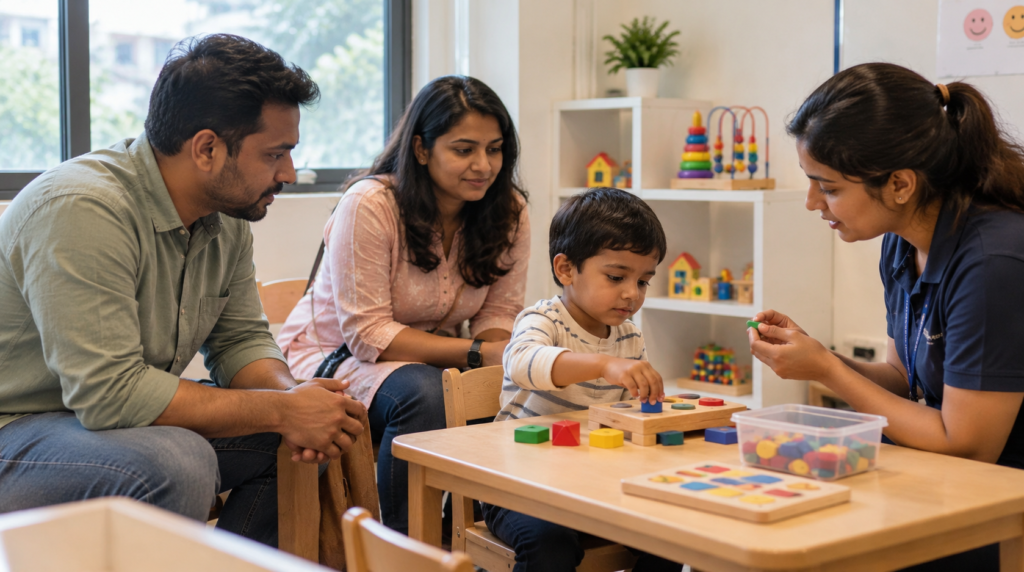
There is no single treatment that works best for every autistic child. The appropriate approach depends on the child’s communication, developmental, behavioural, learning, sensory and everyday functioning needs.
Depending on the child’s individual requirements, a support plan may include:
- Behavioural interventions to address specific behaviours and develop useful skills.
- Developmental interventions to encourage learning and developmental progress.
- Speech and language therapy to help children express themselves, understand others and develop communication skills.
- Occupational therapy to address relevant sensory, motor and everyday living needs.
- Learning support that adapts teaching methods and classroom activities to the child’s abilities and learning pace.
- Parent and caregiver training to help families support their child’s development at home.
- Psychological support or other behavioural support, where appropriate.
- Care for coexisting conditions that may affect the child’s health, development or daily functioning.
Early, individualized support can help children develop skills, address specific difficulties and build on their strengths. The combination of services should be guided by the child’s needs and progress.
Parents should be cautious about providers who promise a guaranteed cure or claim that one treatment is suitable for every autistic child. Families can discuss their child’s developmental profile with an appropriately qualified clinician to understand which services may be suitable and how different forms of support can work together.
Ayurvedic Perspective on Autism and Supportive Care at DNAveda
Autism spectrum disorder (ASD) is understood in modern medicine as a neurodevelopmental condition. Classical Ayurvedic texts predate this modern diagnostic category, so autism should not be equated directly with a single Ayurvedic diagnosis or dosha imbalance.
Ayurveda offers a traditional framework for understanding individual constitution, mental functioning, digestion, sleep and overall wellbeing. At DNAveda, an individualized Ayurvedic assessment may consider relevant aspects of a child’s health and daily life as part of a complementary approach to care.
Understanding Autism Through Ayurvedic Concepts
Some traditional Ayurvedic concepts that may be discussed in the context of an individualized assessment include:
Prakriti
An individual’s constitutional characteristics, traditionally considered when personalizing diet and lifestyle recommendations.

Vata, Pitta and Kapha
The three doshas in Ayurvedic theory, used within its traditional framework to understand patterns of bodily functioning and health.
Manas
The mind and its role in perception, emotional responses and behaviour within Ayurvedic thought.
Buddhi
The capacity for understanding, discernment and decision-making as described in Ayurvedic philosophy.
These traditional principles offer an Ayurvedic perspective on health and wellbeing; they do not establish a specific cause of autism or demonstrate that changing a dosha can address the condition.
Areas of Wellbeing Considered at DNAveda
Depending on the child’s age, health and individual circumstances, an Ayurvedic assessment may consider:
- Daily routine: Meals, activity and rest.
- Diet and digestion: Appetite, food preferences and nutritional needs.
- Sleep and rest: Sleep patterns and bedtime habits.
- General wellbeing: Overall health, comfort and everyday functioning.
- Lifestyle guidance: Recommendations suited to the child’s circumstances.
- Caregiver guidance: Supportive routines at home
Any Ayurvedic medicines, dietary recommendations or therapies should be considered by a qualified Ayurvedic physician after an individual assessment, with particular attention to the child’s age, health status and safety.
Ayurvedic Care Alongside Developmental Support
Ayurvedic care may be considered alongside other services that support a child’s wellbeing, but it should not replace developmental assessments or recommended healthcare. Depending on the child’s individual requirements, their care plan may involve speech and language therapy, developmental or behavioural interventions, occupational therapy, learning support and medical treatment where needed.
The aim is to consider the child’s overall wellbeing while ensuring that appropriate developmental services and healthcare remain central to the child’s care.
ADHD in Children
Attention-deficit/hyperactivity disorder (ADHD) is a childhood developmental condition that can affect a child’s ability to focus, manage impulses and regulate activity levels. These difficulties may become noticeable at home, in school or during interactions with other children, particularly when they persist and begin to interfere with everyday life.
ADHD does not look the same in every child. Some children mainly struggle to stay attentive and organized, while others are more restless or impulsive. Some experience both types of difficulties.
ADHD Symptoms in Children
A child with ADHD may:
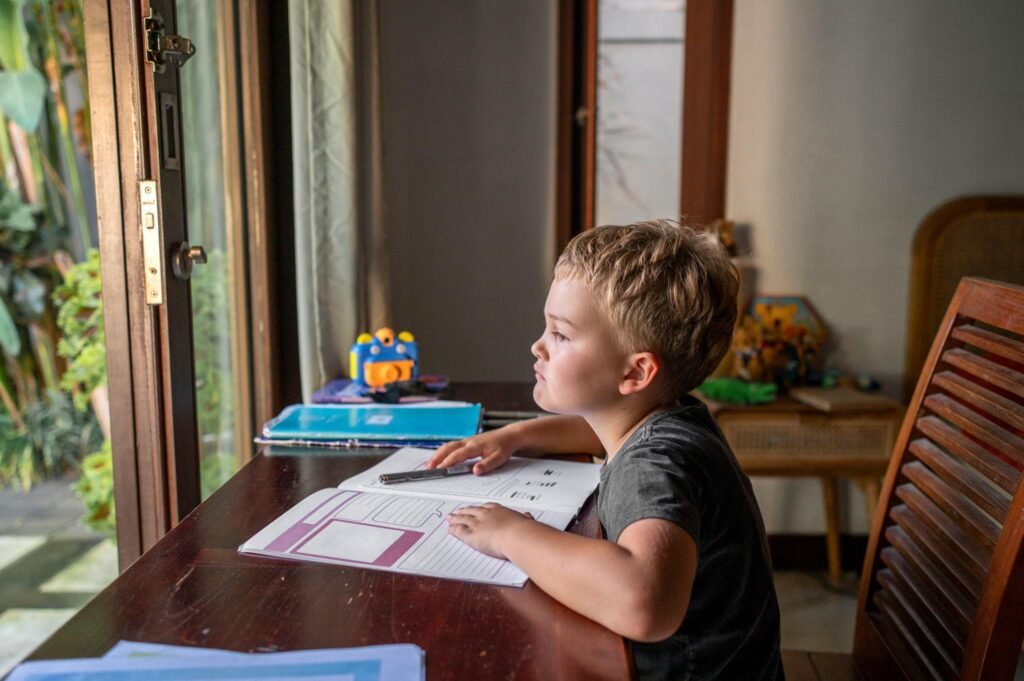
Inattention: Attention, Memory & Task Completion
- Difficulty sustaining attention
- Becoming easily distracted
- Frequently forgetting or losing things
- Difficulty following instructions
- Struggling to complete tasks
- Making careless mistakes
- Daydreaming frequently
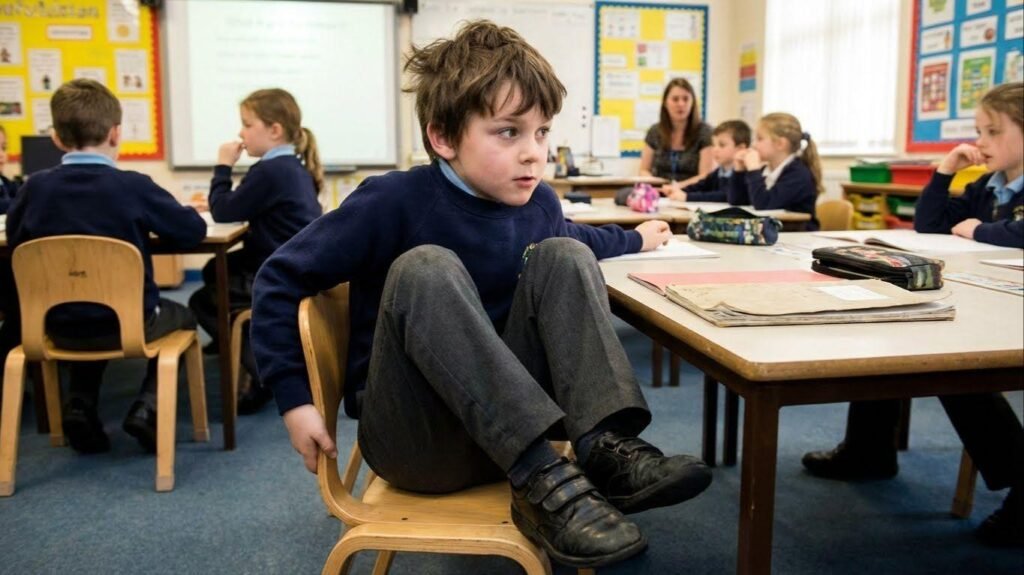
Hyperactivity: Restlessness and excessive activity or talking
- Fidgeting or difficulty sitting still
- Talking excessively

Impulsivity: Acting quickly without waiting or considering consequences
- Interrupting others
- Difficulty waiting for their turn
- Acting without thinking about consequences
- Difficulty managing impulses
- Difficulty getting along with others
Children naturally experience periods of inattention or high activity. ADHD is different because symptoms are persistent, occur in situations where they are not developmentally expected, and can interfere with everyday functioning.
What Causes ADHD in Children?
ADHD does not have one single cause.
The condition is thought to develop through a combination of inherited and developmental influences rather than one specific factor. Sleep, emotional wellbeing, family circumstances and other day-to-day factors can sometimes influence a child’s ability to concentrate or regulate their behaviour.
Difficulty paying attention or sitting still can have causes other than ADHD. Sleep difficulties, anxiety, emotional concerns and learning problems, for example, may sometimes look similar. Some children have more than one developmental or learning concern at the same time, so an assessment needs to look beyond attention and activity levels alone.
If these difficulties continue and begin affecting your child’s daily life, a proper assessment can help clarify what may be contributing to them.
ADHD Treatment for Children

The right approach to ADHD depends on the child’s age, symptoms, level of difficulty and circumstances at home and school.
Depending on what the child needs, support may involve:
- Behaviour therapy
- Parent training and behaviour-management strategies
- Classroom and school-based support
- Psychological or behavioural support when appropriate
- Medicines, when a clinician considers them appropriate for the child
- Support for coexisting learning, developmental or emotional difficulties
For younger children, behaviour-focused approaches and guidance for parents can play an important role. As children grow, their support plan may include school-based strategies, behavioural approaches and, when clinically appropriate, medication. Regular follow-up helps families and healthcare professionals understand whether the current approach is working and whether any changes are needed.
Ayurvedic Treatment for ADHD in Children at DNAveda
Parents looking for Ayurvedic treatment for ADHD in children often want to understand what an individualized Ayurvedic approach involves and which aspects of their child’s wellbeing may be considered.
At DNAveda, Ayurvedic care may be explored as a complementary approach that takes the child’s age, health history, daily habits and individual circumstances into account. Attention difficulties, restlessness and impulsive behaviour can affect a child’s experiences at home, school and during everyday activities, making it important to understand their developmental and healthcare needs.
How Does Ayurveda Consider Individual Wellbeing?
Ayurveda uses traditional concepts such as Prakriti (individual constitution) and the three doshas—Vata, Pitta and Kapha—to understand health within its own theoretical framework. These principles may inform an Ayurvedic practitioner’s broader understanding of an individual’s constitution and wellbeing.
However, these concepts are not diagnostic criteria for ADHD, and a particular dosha imbalance has not been established as the cause of the condition. ADHD is assessed through an appropriate clinical evaluation of a child’s symptoms, developmental history and functioning in everyday settings.
What Aspects of a Child's Health May Be Explored?
Depending on the child’s age, health and circumstances, an Ayurvedic consultation may explore several aspects of everyday wellbeing:
- Sleep and rest: Reviewing sleep patterns and bedtime habits.
- Eating Habits: Looking at the child’s usual food intake, appetite and dietary patterns.
- Daily routine: Exploring age-appropriate schedules for meals, activities, learning and rest.
- General health: Discussing relevant health concerns and the child’s overall wellbeing.
- Lifestyle guidance: Considering practical recommendations suited to the child’s circumstances.
- Parent and caregiver guidance: Exploring ways to establish consistent routines and a supportive home environment.
These areas may be relevant to general wellbeing, but they should not be presented as proven treatments for ADHD’s core symptoms.
Any Ayurvedic medicines or therapies considered for a child should be selected by a qualified Ayurvedic physician after an individual assessment. The child’s age, existing health conditions, potential adverse effects and possible interactions with other medicines need to be taken into account.
How Can Ayurvedic Care Fit into ADHD Management?
Ayurvedic care may be explored alongside appropriate ADHD management, depending on the child’s circumstances. Established approaches may include parent training, behavioural interventions, classroom adjustments, psychological support and medication when clinically indicated.
Parents should share information about any Ayurvedic medicines or supplements their child takes with the professionals involved in the child’s care. Prescribed ADHD treatment should not be stopped or changed without consulting the clinician responsible for it.
The priority is to address the child’s individual needs, including attention, behaviour, learning and everyday functioning, while making informed decisions about any complementary care.
Developmental Delays in Children
Developmental delay refers to a child not reaching expected developmental skills within the usual range for their age.
Development takes place across several areas.
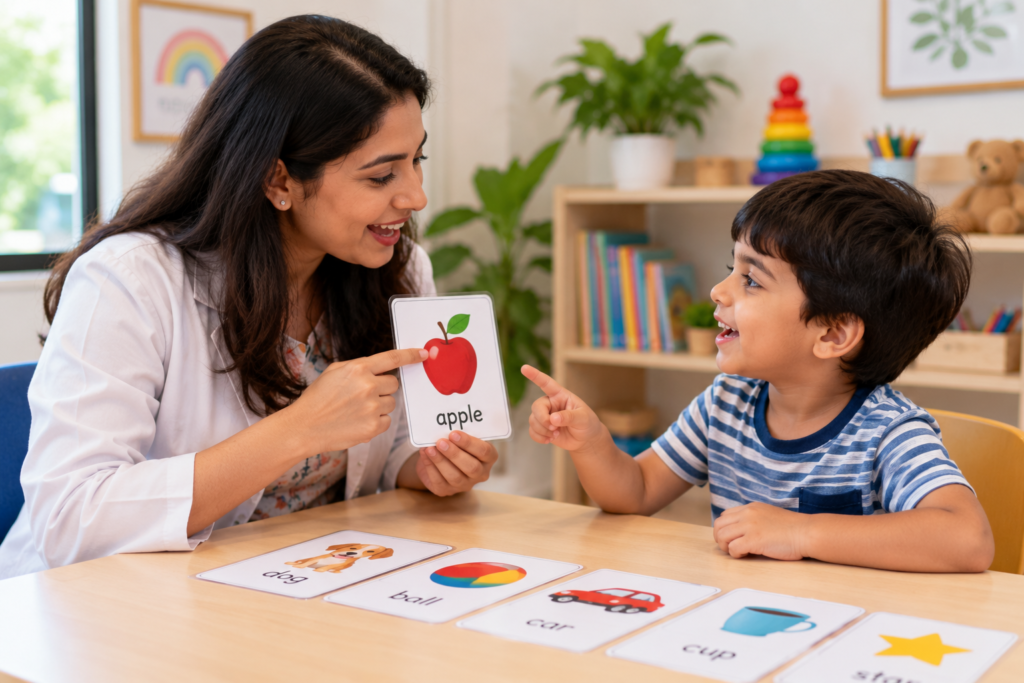
Communication & Language
- Understanding language
- Babbling and early communication
- Using words and sentences
- Expressing needs
- Following instructions

Social & Emotional Development
- Responding to caregivers
- Sharing attention
- Playing with others
- Understanding social interaction

Motor Development
- Sitting
- Crawling
- Walking
- Running
- Fine-motor skills
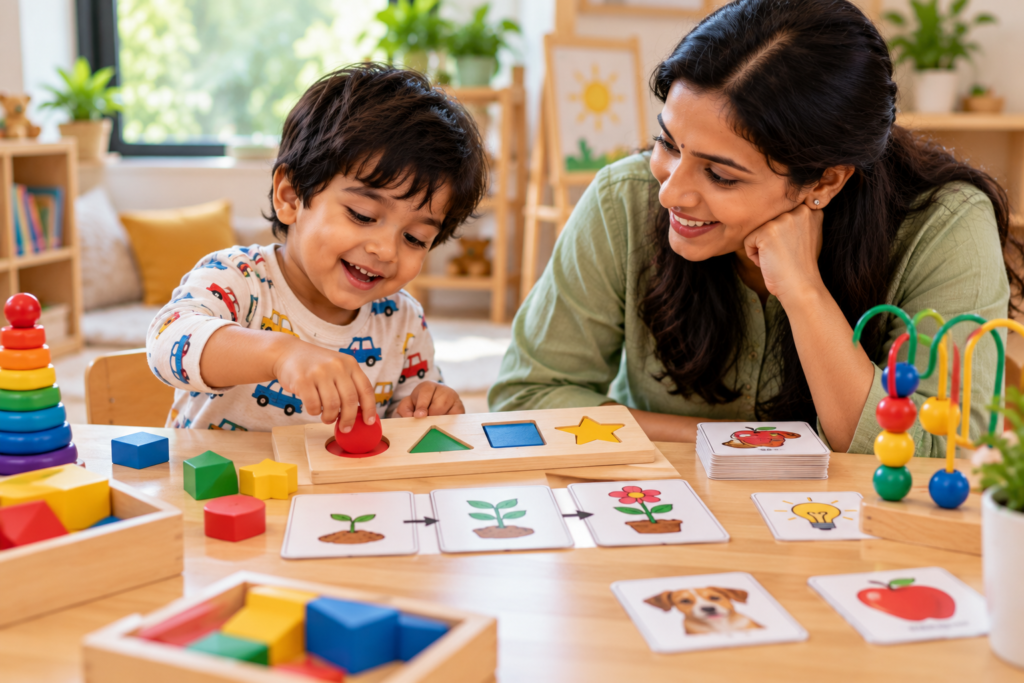
Cognitive & Learning Skills
- Problem-solving
- Learning new concepts
- Memory
- Attention
- Understanding cause and effect
A delay in one developmental area does not automatically mean that a child has autism or another developmental disorder.
However, ongoing developmental concerns should be assessed rather than simply waiting for the child to “catch up.” Early identification can help families understand what support their child may need.
Speech & Language Disorders in Children
Communication concerns can be an important part of a child’s developmental assessment, particularly when difficulties with speaking or understanding language are affecting everyday life.
Although the terms are often used together, speech and language are not the same thing.
What Are Speech Disorders?
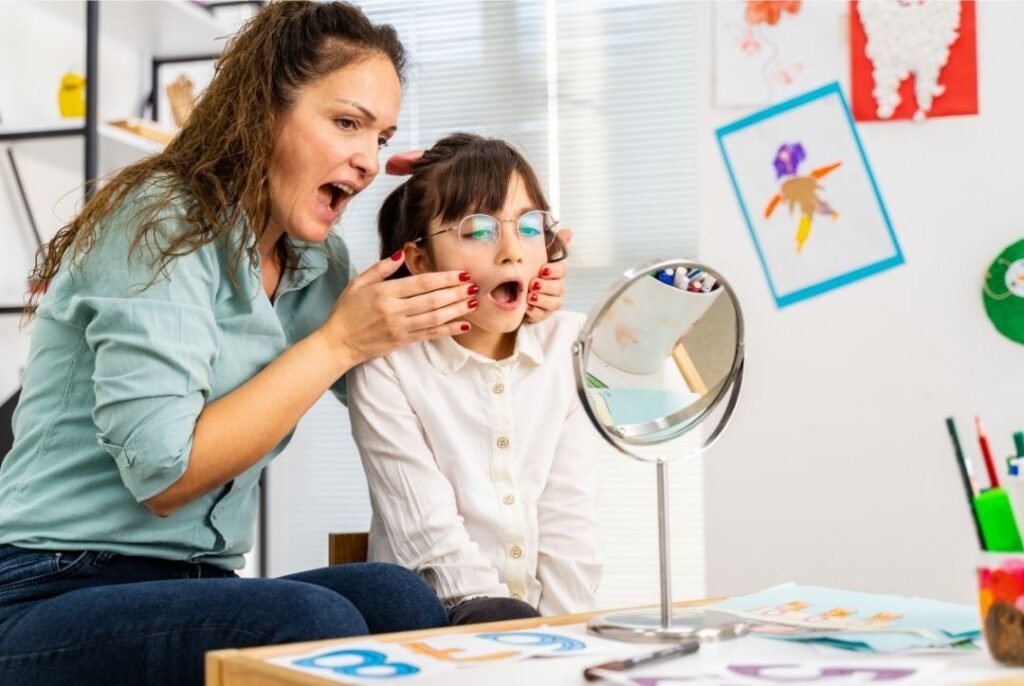
Speech refers to the way a child forms and uses sounds to produce spoken words.
Speech difficulties may involve:
- Speech sounds
- Pronunciation
- Fluency or stuttering
- Motor planning for speech
What Are Language Disorders?
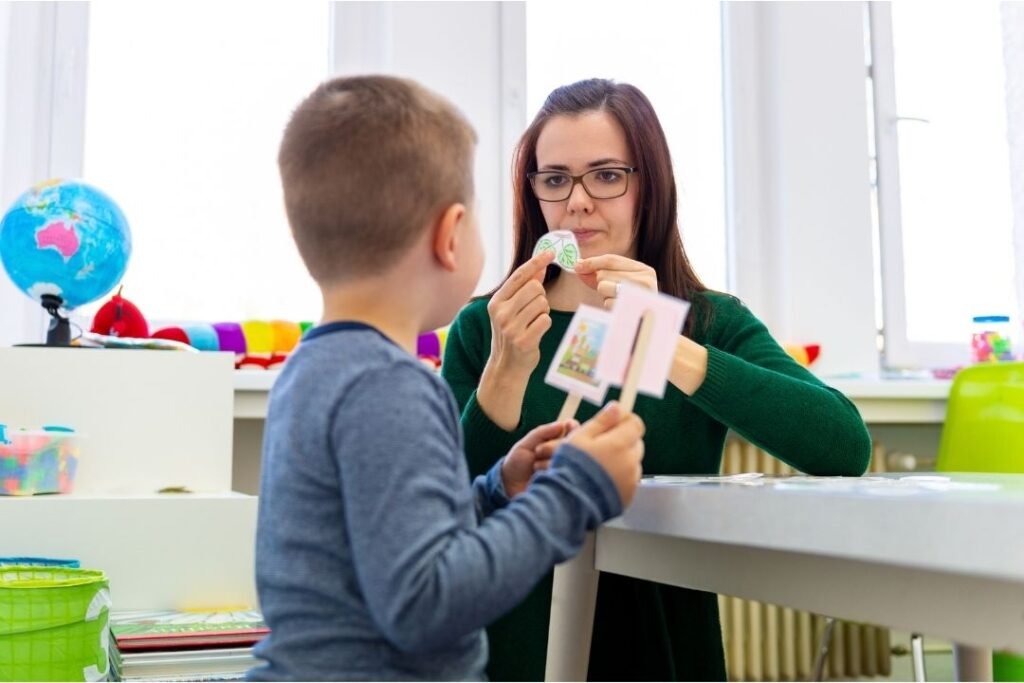
Language involves understanding and using words, sentences and communication.
A child may have difficulty with:
- Understanding what others say — receptive language
- Expressing thoughts and needs — expressive language
- Learning new words
- Forming sentences
- Following instructions
- Using language socially
Children develop speech and language skills at different rates, but persistent concerns should be evaluated. Because hearing influences how children learn and use spoken language, checking hearing may also be considered when a child has ongoing communication difficulties.
Expressive vs Receptive Language Delay
With expressive language delay, a child may know what they want to communicate but have difficulty putting their thoughts, needs or experiences into words or sentences.

A child may:
- Use fewer words than expected
- Have difficulty forming sentences
- Struggle to find the right words
- Have difficulty explaining what they want
Receptive language delay refers to difficulty making sense of language that a child hears, such as understanding words, questions or instructions.
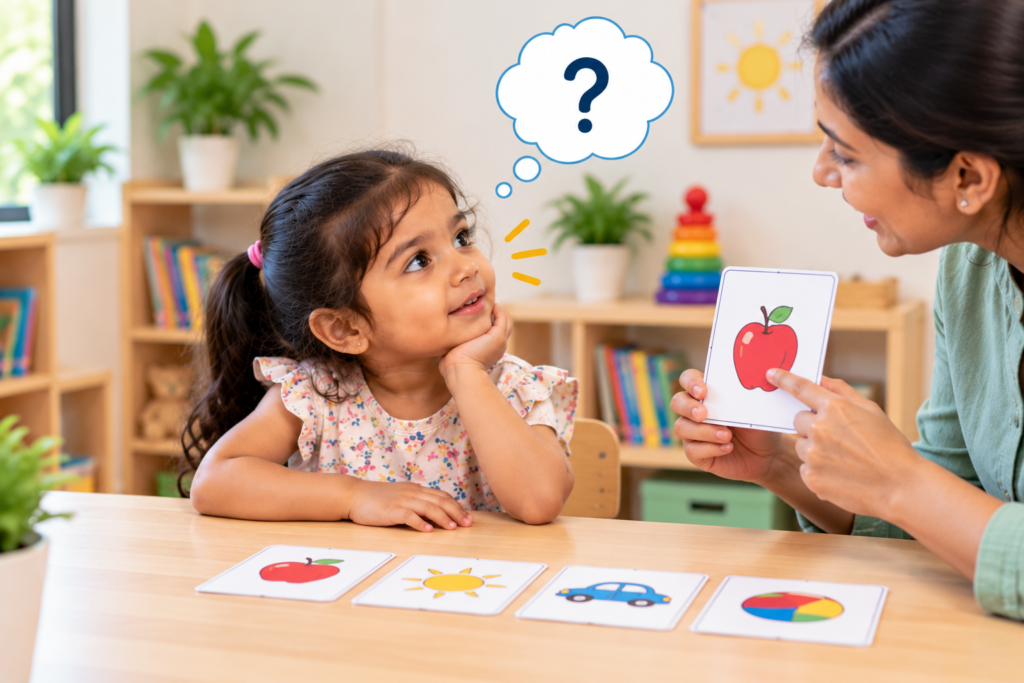
A child may:
- Have difficulty following instructions
- Struggle to understand questions
- Have difficulty understanding new words
- Often have difficulty understanding spoken words, questions or simple instructions
Some children experience difficulties with both expressive and receptive language.
Understanding the Difference Between Speech Delay and Autism
Speech delay and autism are different developmental concerns, although they can sometimes occur together.
A child may have difficulty developing speech or language without showing the broader pattern of developmental differences associated with autism. For example, some children mainly struggle to find words, form sentences or understand what is being said while their social engagement and interest in interacting with others develop in an expected way.
Autism, on the other hand, can affect social communication and interaction and may also involve repetitive behaviours, strong interests or a marked preference for routines. Communication difficulties can be part of autism, but they are considered alongside the child’s social behaviour, play, interests and overall developmental pattern.
This is why a delay in talking by itself does not establish that a child has autism. Looking at how the child communicates, interacts, plays, understands language and develops other skills gives a much clearer picture.
Speech Delay Treatment: What Should Parents Do?
The appropriate treatment for speech delay depends on the underlying cause.
Evaluation may involve:
- Developmental assessment
- Speech and language assessment
- Hearing assessment
- Review of communication at home
- Assessment of social interaction and play
- Evaluation for other developmental or health concerns
A speech-language pathologist can assess communication and provide appropriate speech or language therapy when required. Hearing assessment is also important because hearing difficulties can affect speech and language development.
At DNAveda, Ayurvedic assessment may be considered as complementary supportive care based on the child’s overall health and individual needs.
Ayurvedic care should not replace speech-language therapy or other clinically indicated developmental support.
Ayurvedic Support for Speech & Language Delay

When communication is not developing as expected, it is helpful to look at the child’s language, social interaction, play, understanding and other developmental skills together.
At DNAveda, Ayurvedic assessment may be used to understand the child’s overall health and provide individualized supportive care.
The type of support recommended will depend on what the assessment shows and may involve:
- Ayurvedic dietary guidance
- Lifestyle and daily-routine guidance
- Individualized Ayurvedic medicines where appropriate
- Selected supportive Ayurvedic therapies
- Parent and caregiver guidance
Speech-language therapy remains an important part of care when a child has a diagnosed speech or language disorder.
Ayurvedic support and speech-language therapy can be considered complementary rather than mutually exclusive.
When Should You Seek a Developmental Evaluation?
Consider seeking professional guidance if your child:
Speech and communication
Significant speech or language delay; inconsistent response to their name.
Social interaction and behaviour
Difficulty interacting socially; repetitive behaviours or highly restricted interests.
Attention and everyday functioning
Persistent attention difficulties, impulsivity, hyperactivity, difficulties at home or school, or significant behavioural or sleep concerns.
Developmental milestones
Not meeting expected milestones or showing concerns across multiple developmental areas.
Important: Loss of previously acquired skills
Significant speech or language delay; inconsistent response to their name.
If a child stops using skills they had already developed, it is important to have this change assessed by a qualified professional.
Early identification does not mean that a child is being labelled unnecessarily. It helps parents understand their child’s strengths and challenges and seek appropriate support sooner.
What Parents Can Do at Home
Parents play an important role in supporting a child’s development. Helpful everyday practices may include:
Communication

- Talk and interact regularly.
- Read age-appropriate books together.
- Use clear, simple language.
- Give your child time to respond.
Play and learning
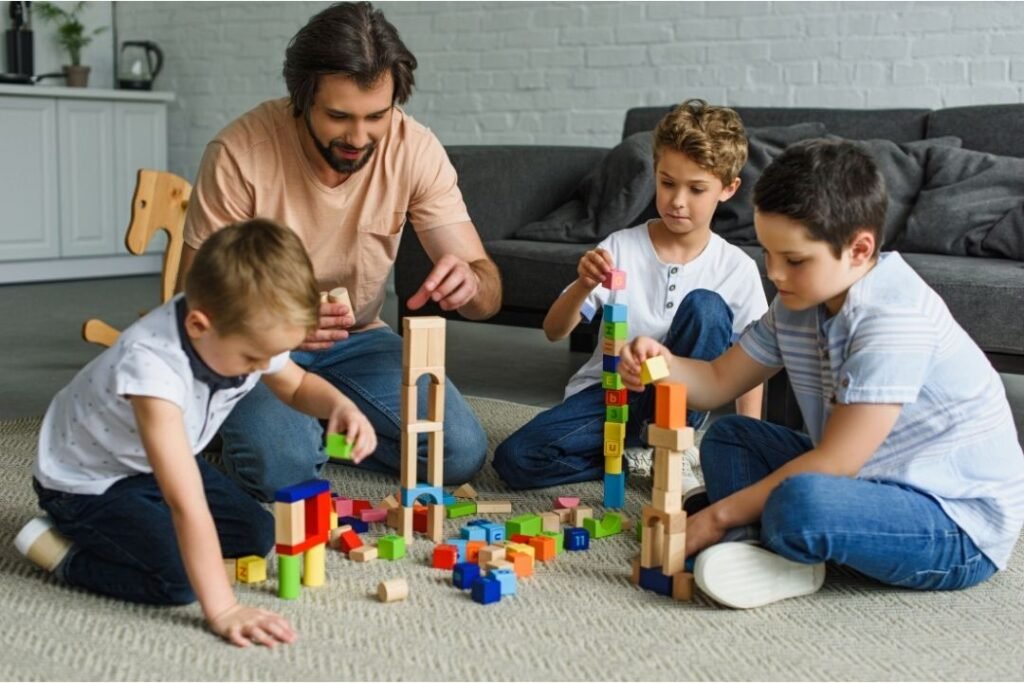
- Follow your child’s interests during play.
- Offer ways to communicate through actions, sounds or words.
- Celebrate progress without comparing children.
Daily wellbeing

- Maintain predictable routines.
- Encourage healthy sleep habits.
- Support age-appropriate physical activity.
Working together

- Stay in touch with your child’s therapists and teachers.
- Practise recommended home activities consistently.
Children can reach developmental milestones in different ways and at different times. The focus should be on recognizing each child’s abilities and challenges and providing support that helps them communicate, learn and take part in everyday life.
Why Choose DNAveda for Ayurvedic Child Development Support?
At DNAveda, we understand that recurring migraine, chronic headaches, and vertigo can affect your daily routine and quality of life. Our Ayurvedic approach focuses on understanding your individual symptoms and developing care according to your specific needs.

Individualized Ayurvedic Assessment
Every child is different. Our approach begins by understanding the child’s individual symptoms, development, routine, constitution and overall health rather than following a generic protocol.

Ayurveda with a Broader Care Perspective
Developmental concerns can require support from multiple professionals. Ayurveda may form one part of a broader wellbeing plan, with the child’s established therapies, learning needs and healthcare requirements continuing to guide their care.

Personalized Treatment Plans
There is no universal Ayurvedic protocol for every child with autism, ADHD or developmental delay. The support plan should reflect the particular difficulties the child experiences and the abilities they are developing.
Child-Centred Care
Children require a different approach from adults. Recommendations are considered according to the child’s age, strength, symptoms and individual requirements.

Experienced Ayurvedic Guidance
DNAveda provides personalized Ayurvedic consultations for children and families under the guidance of an experienced Ayurvedic physician.

Delhi NCR & Online Consultation
DNAveda is located in Kaushambi, Ghaziabad, and serves families across Delhi NCR. Online Ayurvedic consultation options may also be available for families who cannot visit the clinic.
Frequently Asked Questions (FAQs)
What signs might suggest autism in a child?
Some children with autism may have difficulty with social communication, responding to social cues, sharing interests or engaging in back-and-forth interactions. Others may show repetitive behaviours, strong interests or a preference for predictable routines. These characteristics vary from child to child. If you have concerns about your child’s development, a professional developmental assessment can help clarify what support may be appropriate.
What developmental differences might parents notice in a 2-year-old with autism?
At around two years of age, possible signs include limited use of gestures to communicate, difficulty sharing attention with others, differences in pretend play, repetitive actions or unusually strong reactions to changes in routine. Language skills may develop more slowly in some children. No single sign confirms autism; a child’s overall development and behaviour need to be considered.
At what age does autism first appear?
Developmental differences associated with autism can become apparent at different stages of early childhood. Some developmental differences emerge during infancy, while others become clearer as social communication and language expectations increase. If concerns arise at any age, parents can seek an assessment rather than waiting for the child to grow older.
How is autism diagnosed in children?
Autism is diagnosed through a comprehensive assessment of a child’s developmental history, communication, social interaction and behaviour. A qualified professional may observe the child’s play and interactions, speak with parents and use standardized assessment tools. There is no single blood test or brain scan that independently confirms autism. Developmental screening can identify concerns but does not replace a diagnostic evaluation.
What therapy is best for autism?
There is no single therapy that suits every autistic child. Support may include speech and language therapy, behavioural and developmental interventions, occupational therapy when appropriate, and educational support. The right combination depends on the child’s communication, daily living skills, sensory needs, learning profile and individual goals. Early, individualized support can help children build useful skills and participate more comfortably in everyday activities.
Can Ayurvedic care support a child who has autism spectrum disorder?
Ayurvedic care may be explored as a complementary part of a child’s overall wellbeing plan, but there is currently insufficient high-quality evidence to establish Ayurveda as an effective treatment for the core characteristics of autism. It should not replace developmental assessment, speech and language therapy, educational support or other appropriate interventions. Any herbs or Ayurvedic medicines should be checked for safety and potential interactions with the child’s healthcare professional.
What are the first signs of ADHD in children?
Early concerns may include persistent difficulty maintaining attention, frequent impulsive actions, excessive restlessness or trouble waiting for a turn. Restlessness or inattention by themselves are not enough to determine whether a child has ADHD. For a diagnosis, a qualified professional considers how long the difficulties have been present, whether they occur in more than one setting, their effect on daily functioning and whether other explanations may be involved.
How can ADHD be managed in children?
ADHD care varies from one child to another. Recommendations may include guidance for parents on managing behaviour, adjustments at school, psychological support or medication if a qualified clinician determines that it is suitable for the child.
What are the signs of developmental delay in children?
A developmental delay may involve difficulty reaching expected milestones in areas such as movement, communication, learning, social interaction or everyday self-care. A child may need additional time or support in one area or across several areas. If your child is not developing skills as expected, a developmental assessment can help identify their strengths, areas of difficulty and possible support needs.
What causes developmental delays in children?
Developmental delays can arise for different reasons, including genetic conditions, complications around pregnancy or birth, certain medical conditions, hearing or vision difficulties, and other developmental factors. Sometimes, the cause remains unclear even after assessment. Identifying the possible reason can guide further evaluation and help determine what support may benefit the child.
Is speech delay a sign of autism?
Speech delay can occur in autistic children, but it does not automatically mean a child has autism. Some children experience speech or language difficulties without having autism. An assessment may consider how the child understands language, communicates through gestures, interacts socially, plays and develops other skills. An evaluation of hearing can help determine whether difficulty hearing sounds is contributing to the child’s communication challenges.
What can parents do at home to encourage a child's speech development?
Turn everyday activities into opportunities for communication. Name familiar objects during play, look at picture books together, talk about daily routines and give your child time to respond. Offer simple choices and acknowledge attempts to communicate, whether your child uses gestures, sounds, signs or words. Make communication a positive experience by responding naturally to your child’s attempts rather than asking them to say words again and again. These activities can encourage communication at home, alongside professional assessment and speech-language therapy when appropriate.
Looking for Ayurvedic Support for Your Child?
If your child has autism, ADHD, speech or language delay, developmental delay, attention difficulties or behavioural concerns, understanding the child’s individual needs is the first step.
At DNAveda, we provide personalized Ayurvedic consultation with an emphasis on the child’s overall health, development, routine and wellbeing.
Located in Kaushambi, Ghaziabad, DNAveda serves families across Delhi NCR and may also provide online Ayurvedic consultation options.
Address
D58, near Kaushambi Metro Station, Anand Vihar, Kaushambi, Ghaziabad, Uttar Pradesh 201010
Call Us
+91 9625554890
Email Us
ayurvedadna@gmail.com