
Kerala Ayurvedic Massage & Traditional Therapies
Kerala Ayurveda is known for therapies that combine rhythmic oil application, herbal heat procedures, medicated liquid streams, and localized treatment techniques that feel both restorative and therapeutic. From dhara procedures and herbal bundle therapies to basti treatments and swedana techniques, Ayurveda adapts these therapies according to individual body constitution and wellness needs rather than following one fixed approach for everyone.
At DNAveda, classical Ayurvedic methods, medicated oils, and personalized therapy approaches shape every treatment plan. As a trusted Kerala Ayurvedic Centre in Delhi, the focus remains on Kerala-inspired therapies adapted according to individual Ayurvedic assessment, comfort level, and wellness needs.
Looking for a professional Kerala Ayurvedic massage centre beyond routine spa-style massage? DNAveda offers personalized Kerala-inspired therapies planned according to individual wellness needs and Ayurvedic understanding.
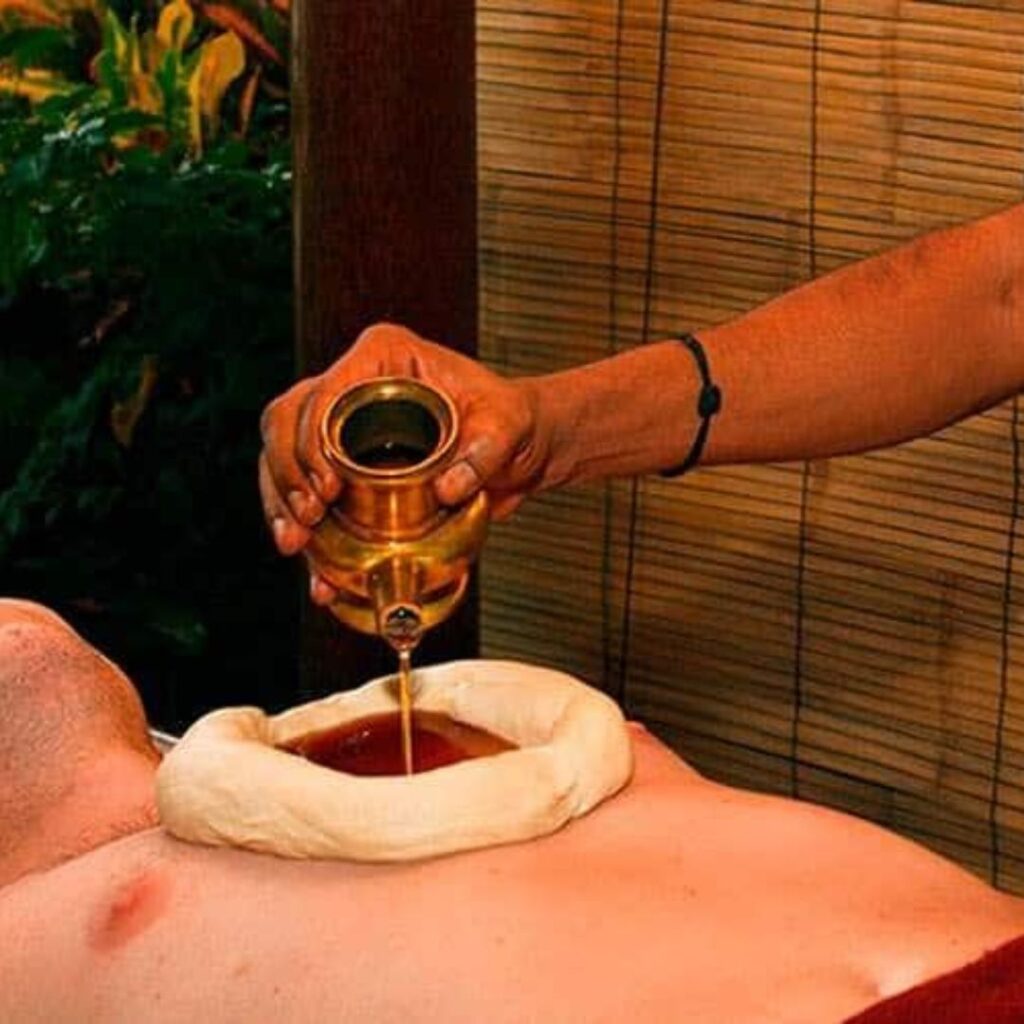
Why Kerala Therapies Are Different From Ordinary Massage & Panchakarma
Many people associate Kerala Ayurvedic massage with relaxation alone, while others use the word “Panchakarma” for almost every traditional Ayurvedic therapy. However, Kerala external therapies and classical Panchakarma procedures are related without being exactly the same.
Unlike routine massage treatments that usually follow one fixed method, Kerala Ayurveda combines therapies according to body constitution, symptoms, comfort level, and wellness needs. Warm medicated oils, dhara procedures, herbal heat therapies, localized basti treatments, and swedana techniques all work differently depending on the therapy and the purpose behind it. Some therapies focus more on muscular comfort and mobility, whereas others aim to calm the mind, support rejuvenation, or promote overall balance.
Because of this personalized approach, many people searching for a professional Kerala Ayurvedic massage centre often look for therapies planned through Ayurvedic understanding rather than generic spa-style routines.
How Classical Panchakarma Differs
In Ayurveda, classical Panchakarma refers to five primary cleansing and dosha-balancing procedures — Vamana, Virechana, Basti, Nasya, and Raktamokshana. These therapies usually follow a more structured Ayurvedic process that may include preparatory procedures, dietary regulation, and post-therapy care depending on the individual’s condition and strength.
In comparison, most Kerala therapies mainly focus on external Ayurvedic procedures involving medicated oils, dhara techniques, herbal bundle therapies, swedana methods, and localized treatments designed to support relaxation, mobility, muscular comfort, and overall wellness support.
Why the Confusion Happens So Often
Kerala Ayurveda became widely recognized through synchronized oil massage, continuous medicated liquid pouring, herbal heat therapies, and deeply grounding wellness procedures. As a result, many people gradually started using the word “Panchakarma” broadly for almost all Ayurvedic therapies, even when those therapies differ from the classical Panchakarma procedures described in Ayurveda.
At DNAveda, a trusted Panchakarma Kerala Ayurvedic centre, both Panchakarma procedures and Kerala-inspired therapies follow proper Ayurvedic understanding so that every therapy serves its actual purpose instead of being grouped under one common label.
Traditional Therapies at a Panchakarma Kerala Ayurvedic Centre
Traditional Kerala therapies include a wide range of oil-based, heat-based, and localized Ayurvedic procedures selected according to the individual’s body constitution, symptoms, and therapeutic needs. DNAveda plans these therapies using classical Kerala Ayurvedic principles along with personalized Ayurvedic assessment rather than following one fixed therapy routine for everyone.
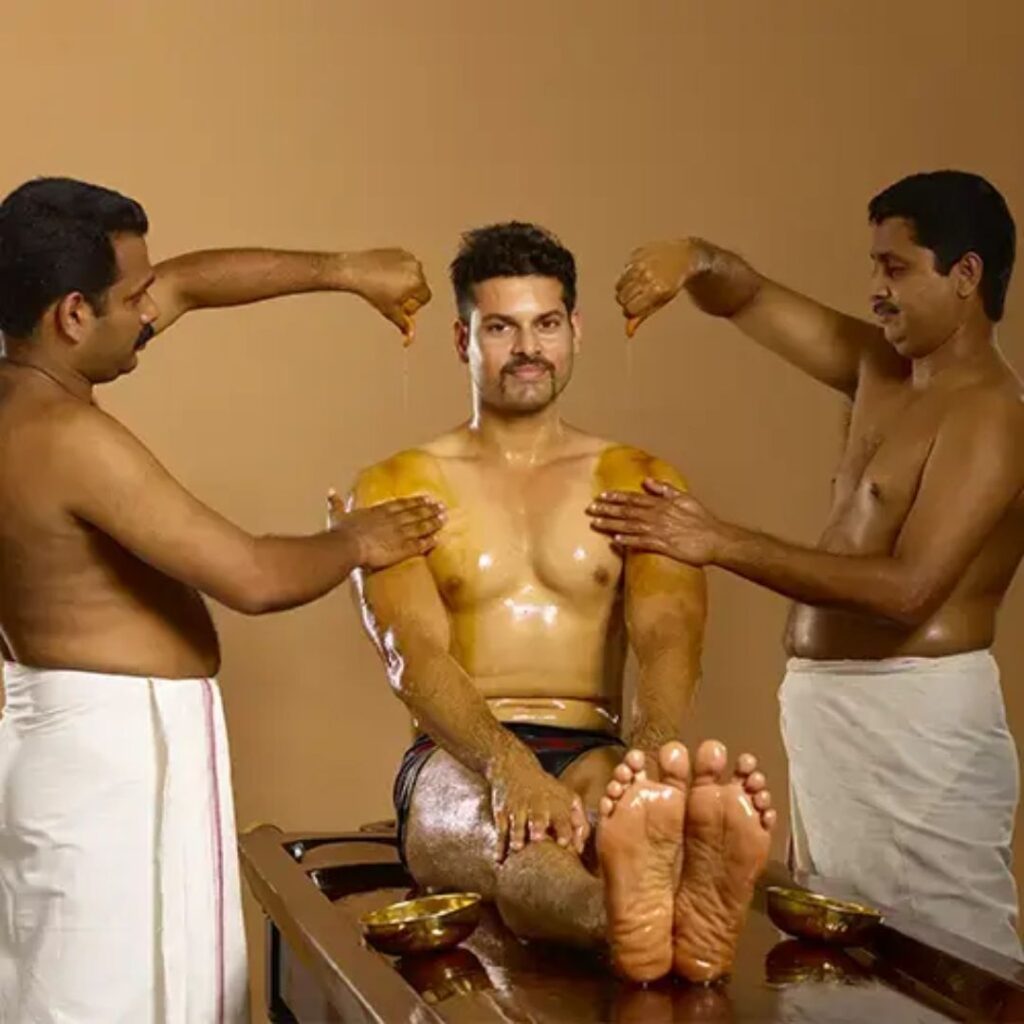
Pizhichil & Dhara Therapies
These therapies involve the rhythmic application of medicated oils, milk, herbal decoctions, or fermented liquids over the body or specific regions. Therapies such as Pizhichil, Takradhara, Ksheera Dhara, Kashaya Dhara, and Dhanyamla Dhara help support relaxation, mental calmness, muscular comfort, and overall rejuvenation through continuous medicated liquid therapy techniques associated with traditional panchakarma treatment in Kerala practices.
Therapies Included:
- Pizhichil (Kayaseka)
- Takradhara
- Ksheera Dhara
- Kashaya Dhara
- Dhanyamla Dhara
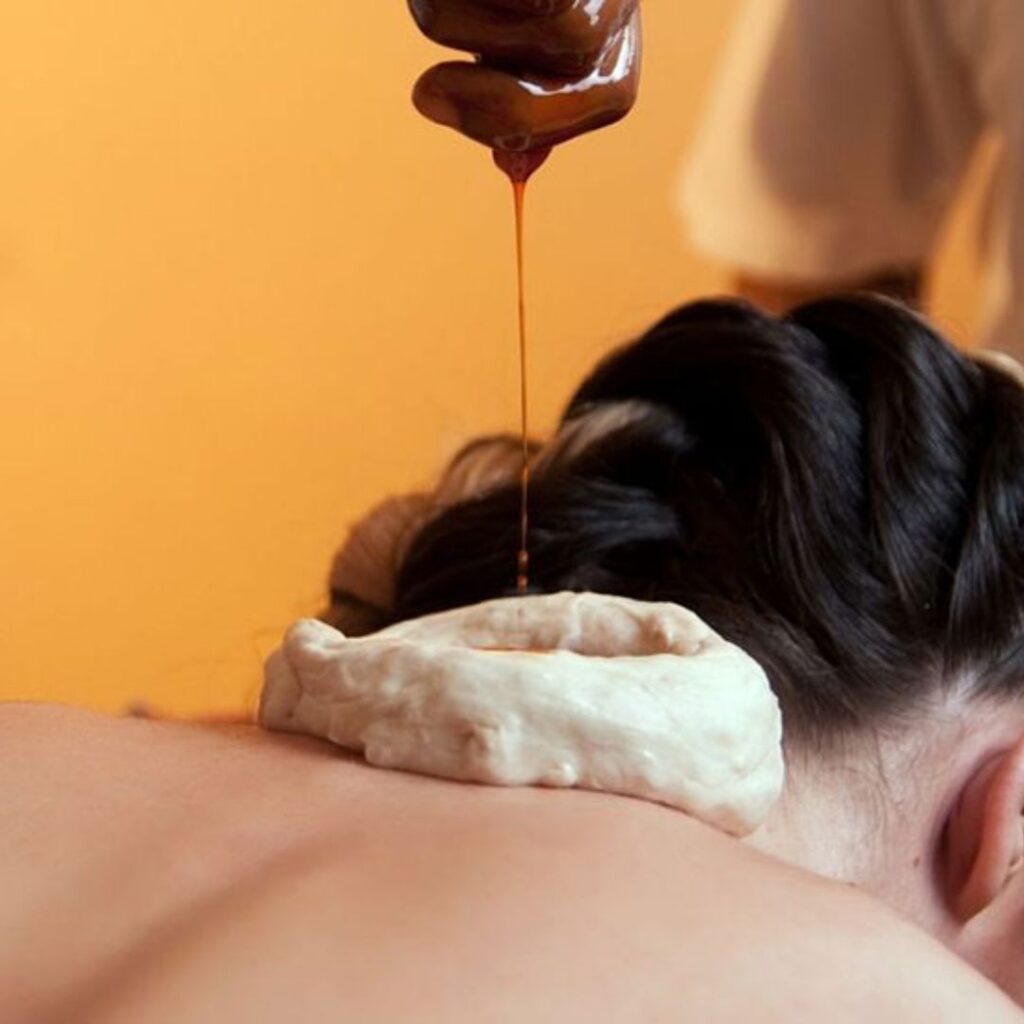
Localized Basti Therapies
Localized basti therapies involve retaining warm medicated oil over a specific body area for a planned duration using specially prepared boundaries. These therapies commonly support the lower back, knees, neck, spine, or chest region. At a professional Kerala Ayurvedic massage centre, basti therapies are often combined with massage or swedana procedures according to the person’s condition and comfort level.
Therapies Included:
- Kati Basti
- Janu Basti
- Greeva Basti
- Uro Basti
- Hrid Basti
- Prushtha Basti
- Shiro Basti
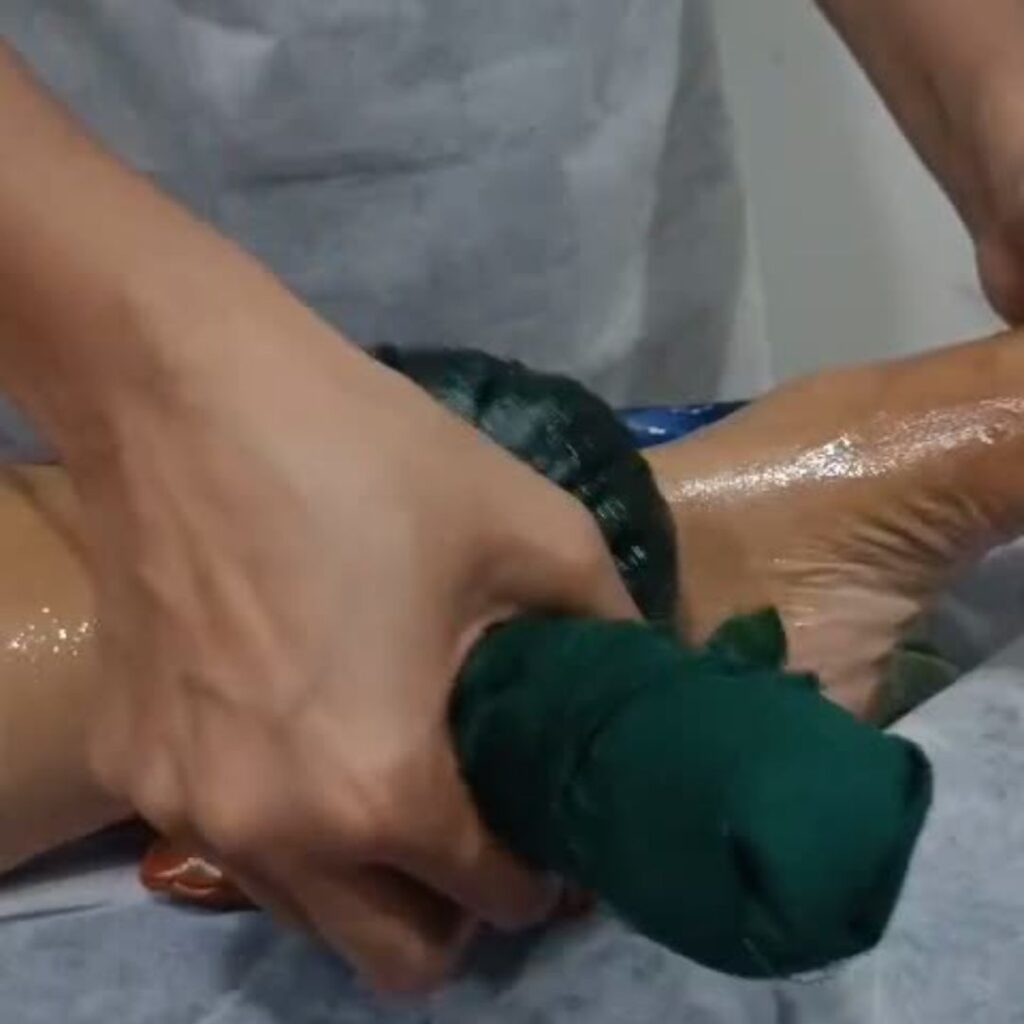
Pinda Sweda & Kerala Heat Therapies
Pinda Sweda and Kerala heat therapies use therapeutic warmth through herbal leaves, powders, grains, rice preparations, medicated poultices, and steam techniques to support body comfort, mobility, and relaxation. The combination of warmth, herbal preparations, and Ayurvedic methods makes these therapies an important part of Kerala Ayurvedic care.
Therapies Included:
- Patra Pinda Sweda
- Choorna Pinda Sweda
- Dhanya Pinda Sweda
- Jambeera Pinda Sweda
- Valuka Sweda
- Navarakizhi
- Vashpa Sweda
- Nadi Sweda
- Upanaha Sweda
- Annalepana
Benefits of Therapies Offered at a Kerala Ayurvedic Massage Centre
Ayurveda values traditional therapies for their role in supporting dosha balance, relaxation, circulation, lubrication, and overall physical and mental well-being. At a professional Kerala Ayurvedic massage centre, therapies are usually selected according to the individual’s body constitution, symptoms, and wellness needs rather than following one standard routine for everyone.

Vata Shamana (Support for Vata Balance)
Many Kerala therapies use warm medicated oils, rhythmic massage methods, and swedana techniques that are traditionally used to help calm aggravated Vata. This may help when Vata imbalance presents as dryness, stiffness, restlessness, fatigue, or body discomfort.

Snehana (Oleation & Lubrication Support)
Oil-based Kerala therapies are widely known for their role in external oleation. Therapies using medicated oils may help support softness, lubrication, and nourishment while reducing the roughness and dryness commonly associated with Vata aggravation.

Swedana Karma (Support Through Therapeutic Heat)
Kerala-style swedana therapies involving steam, herbal bundles, or heated preparations are traditionally used to generate warmth, reduce stiffness, and support easier body movement. These therapies commonly help where heaviness, tightness, or restricted mobility is present.

Manasika Sukha (Support for Mental Comfort & Ease)
Certain therapies associated with traditional Panchakarma treatment in Kerala help calm the mind and support emotional relaxation. Rhythmic oil application, dhara procedures, and soothing therapy methods may help reduce mental overactivity, stress-related tension, and excessive sensory strain.

Srotas Gati Support (Support for Healthy Bodily Movement)
Ayurveda describes the body as functioning through multiple channels known as Srotas. Oil therapies, heat procedures, and herbal preparations support smoother circulation, movement, and overall bodily functioning.

Rasayana-Oriented Rejuvenation Support
Additionally, many people visiting a Kerala Ayurvedic Centre in Delhi choose these therapies as part of a rejuvenative Ayurvedic wellness approach. Properly selected therapies may help the body feel lighter, refreshed, relaxed, and better supported during periods of physical or mental exhaustion.
Kerala Ayurvedic Therapies for Different Wellness Concerns
Different Kerala therapies support different body needs and wellness goals. Although therapy planning depends on individual assessment, certain therapies are more commonly associated with particular types of stiffness, stress patterns, muscular fatigue, relaxation needs, or rejuvenative support requirements.
| Wellness Concern | Kerala Therapies Commonly Chosen |
|---|---|
Lower back stiffness & fatigue |
Kati Basti, Pizhichil |
Restricted comfort around the neck & shoulders |
Greeva Basti, Patra Pinda Sweda |
Difficulty in smooth knee movement |
Janu Basti, Valuka Sweda |
Mental overactivity & relaxation needs |
Takradhara, Ksheera Dhara |
Muscular tiredness & body heaviness |
Pizhichil, Pinda Sweda therapies |
Rejuvenation & nourishment support |
Navarakizhi, Oil-based Kerala therapies |
Localized stiffness & dryness |
Basti therapies with medicated oils |
At a professional Panchakarma Kerala Ayurvedic centre, therapies are often combined thoughtfully depending on the person’s condition, body response, and Ayurvedic assessment. In many cases, oil therapies, swedana procedures, and localized treatments often work better together than as isolated therapies.
Why Choose DNAveda as a Kerala Ayurvedic Centre in Delhi
Finding a genuine Kerala Ayurvedic Centre in Delhi often becomes difficult because many places focus only on generic spa-style massages without following the therapeutic depth and individualized approach traditionally associated with Kerala Ayurveda. At DNAveda, the focus remains on personalized Ayurvedic care where therapies are planned according to the person’s body constitution, symptoms, comfort level, and wellness goals rather than offering the same therapy routine to everyone.

Personalized Kerala Therapy Planning
At DNAveda, therapies are not selected through fixed massage packages. Each therapy plan is adapted according to the individual’s body constitution, symptoms, comfort level, and Ayurvedic assessment.

Traditional Kerala Therapy Techniques
Therapies are performed using Kerala-inspired Ayurvedic methods involving medicated oils, dhara procedures, swedana techniques, herbal preparations, and synchronized therapy approaches commonly associated with traditional Kerala care.

More Than a Regular Kerala Ayurvedic Massage Centre
Unlike routine spa-style massage setups, the focus stays on Ayurvedic understanding and personalized therapy planning rather than offering the same oil massage procedure for everyone.

Professional Kerala Ayurvedic Massage Delhi Therapies
From localized basti procedures and dhara therapies to herbal heat treatments and oil-based therapies, we plan treatments carefully while maintaining hygiene, comfort, and professional Ayurvedic care standards.

Balanced Understanding of Kerala Therapies & Panchakarma
As a professional Panchakarma Kerala Ayurvedic centre, DNAveda maintains a proper distinction between classical Panchakarma procedures and Kerala external therapies while understanding how both may complement broader Ayurvedic care.

Individualized Combination of Therapies
Depending on the person’s needs, therapies may be combined thoughtfully instead of being performed as isolated procedures. Oil therapies, swedana methods, dhara treatments, and localized therapies may be planned together for a more structured Ayurvedic approach.
Looking for Traditional Kerala Ayurvedic Therapies in Delhi?
Whether you are searching for relaxing oil therapies, dhara procedures, localized basti treatments, or traditional swedana techniques, the right Ayurvedic approach depends on the individual’s body constitution, symptoms, comfort level, and wellness goals. Instead of following one fixed therapy routine for everyone, DNAveda plans therapies thoughtfully through personalized Ayurvedic understanding and classical wellness principles.
As a trusted Kerala Ayurvedic Centre in Delhi, DNAveda offers Kerala-inspired therapies planned according to individual wellness needs and Ayurvedic assessment.
Frequently Asked Questions (FAQs)
What is Kerala Ayurvedic massage?
Kerala Ayurvedic massage refers to a group of traditional Ayurvedic therapies that use medicated oils, rhythmic application techniques, herbal preparations, and therapeutic procedures to support overall well-being. Unlike routine massage treatments, Kerala therapies often include dhara procedures, basti treatments, swedana techniques, and herbal bundle therapies. As a result, Ayurveda selects these therapies according to body constitution, symptoms, and wellness needs rather than following one standard massage routine for everyone.
How are Kerala therapies different from Panchakarma?
Although Kerala therapies and Panchakarma often complement each other, Ayurveda does not consider them identical. Classical Panchakarma focuses on five primary cleansing and dosha-balancing procedures, whereas Kerala therapies mainly involve external treatments such as dhara, Pizhichil, basti therapies, swedana techniques, and herbal heat therapies. Therefore, Kerala therapies commonly support relaxation, mobility, rejuvenation, and muscular comfort, while Panchakarma follows a more structured detoxification and dosha-management approach.
Are all Kerala therapies part of Panchakarma?
No. Many people use the word Panchakarma for almost every Ayurvedic therapy; however, Ayurveda describes Panchakarma as a specific group of cleansing procedures. In contrast, many Kerala therapies focus on external applications involving medicated oils, herbal preparations, steam therapies, and localized treatments. Nevertheless, Ayurvedic treatment plans may combine Kerala therapies with Panchakarma procedures whenever the individual’s condition requires a broader therapeutic approach.
What therapies are included in Kerala Ayurvedic treatments?
Kerala Ayurvedic treatments include a variety of traditional therapies such as Pizhichil, Takradhara, Ksheera Dhara, Kashaya Dhara, Kati Basti, Janu Basti, Greeva Basti, Navarakizhi, Patra Pinda Sweda, Choorna Pinda Sweda, Vashpa Sweda, and Nadi Sweda. However, Ayurveda does not select every therapy for every person. Instead, Ayurvedic assessment helps determine which therapies best match the individual’s body constitution, symptoms, and wellness goals.
How is therapy selected in Ayurveda?
Ayurveda selects therapies after evaluating factors such as body constitution (Prakriti), symptoms, digestive strength, comfort level, lifestyle, and overall dosha balance. Therefore, two people with similar concerns may still receive different therapy recommendations. While one person may benefit from oil-based therapies, another may require steam therapies, dhara procedures, or localized basti treatments. Consequently, personalized therapy planning remains an important part of Ayurvedic care.
Do Kerala therapies always include massage?
No. While some Kerala therapies involve massage techniques, many others do not. For example, dhara therapies focus on the continuous flow of medicated liquids, basti therapies involve localized oil retention, and swedana therapies use therapeutic heat or steam. Therefore, Kerala Ayurvedic treatments include a much wider range of procedures than massage alone. Ayurveda chooses these therapies according to the individual’s needs and therapeutic goals.
Can multiple Kerala therapies be combined together?
Yes. In many cases, Ayurveda combines multiple therapies to create a more comprehensive treatment approach. For instance, an Ayurvedic plan may include oil therapies, swedana procedures, dhara techniques, and localized basti treatments within the same therapy schedule. However, Ayurveda does not combine therapies randomly. Instead, the selection depends on the individual’s symptoms, body constitution, comfort level, and overall therapeutic objectives.
How long do Kerala Ayurvedic therapy sessions usually last?
The duration varies according to the therapy selected and the individual’s requirements. Some localized therapies may take less time, whereas dhara procedures, oil therapies, or combined therapy sessions may last longer. Additionally, Ayurveda considers factors such as comfort level, treatment objectives, and overall wellness needs before determining the duration of a therapy session. Therefore, session length often differs from person to person.
Who can choose Kerala Ayurvedic therapies?
People often choose Kerala Ayurvedic therapies for relaxation, rejuvenation, mobility support, muscular comfort, stress management, and overall wellness. However, Ayurveda does not recommend therapies solely on the basis of a person’s preference. Instead, Ayurvedic assessment helps identify which therapies best suit the individual’s body constitution, symptoms, and wellness goals. As a result, therapy selection remains personalized rather than standardized.
Address
D58, near Kaushambi Metro Station, Anand Vihar, Kaushambi, Ghaziabad, Uttar Pradesh 201010
Call Us
+919625554890
Email Us
ayurvedadna@gmail.com