
Urinary Bladder Problems and Kidney Disorders: Understanding the Connection
The kidneys and urinary tract work together as a vital system responsible for filtering waste, maintaining fluid balance, and removing toxins from the body through urine. When this system functions properly, it helps regulate important processes such as electrolyte balance, blood pressure, and detoxification. However, various lifestyle factors, infections, or metabolic imbalances can disturb this delicate system, leading to urinary and kidney disorders.
Many individuals experience discomfort such as burning urination, frequent urge to urinate, lower abdominal pressure, or difficulty passing urine. These symptoms are commonly associated with urinary bladder problems, which may develop due to infections, inflammation, or irritation within the urinary tract. When such issues persist, they may gradually affect kidney health and interfere with the body’s natural ability to eliminate toxins effectively.
It is therefore important to pay attention to the early symptoms of kidney problems, which may include fatigue, swelling in the legs or face, changes in urine color, or reduced urine output. Identifying these warning signs early can help prevent complications and support timely care.
In holistic healthcare, maintaining the health of the kidneys and urinary system is essential for overall well-being. Kidney treatment in Ayurveda focuses on restoring internal balance, supporting natural detoxification, and strengthening the organs responsible for urine formation and elimination. Through carefully selected herbs, dietary guidance, and lifestyle adjustments, Ayurveda aims to support long-term urinary and kidney health while addressing the root causes of imbalance.
If you are experiencing persistent urinary discomfort, changes in urination patterns, or signs of kidney imbalance, consulting an experienced Ayurvedic doctor can help identify the underlying cause early.
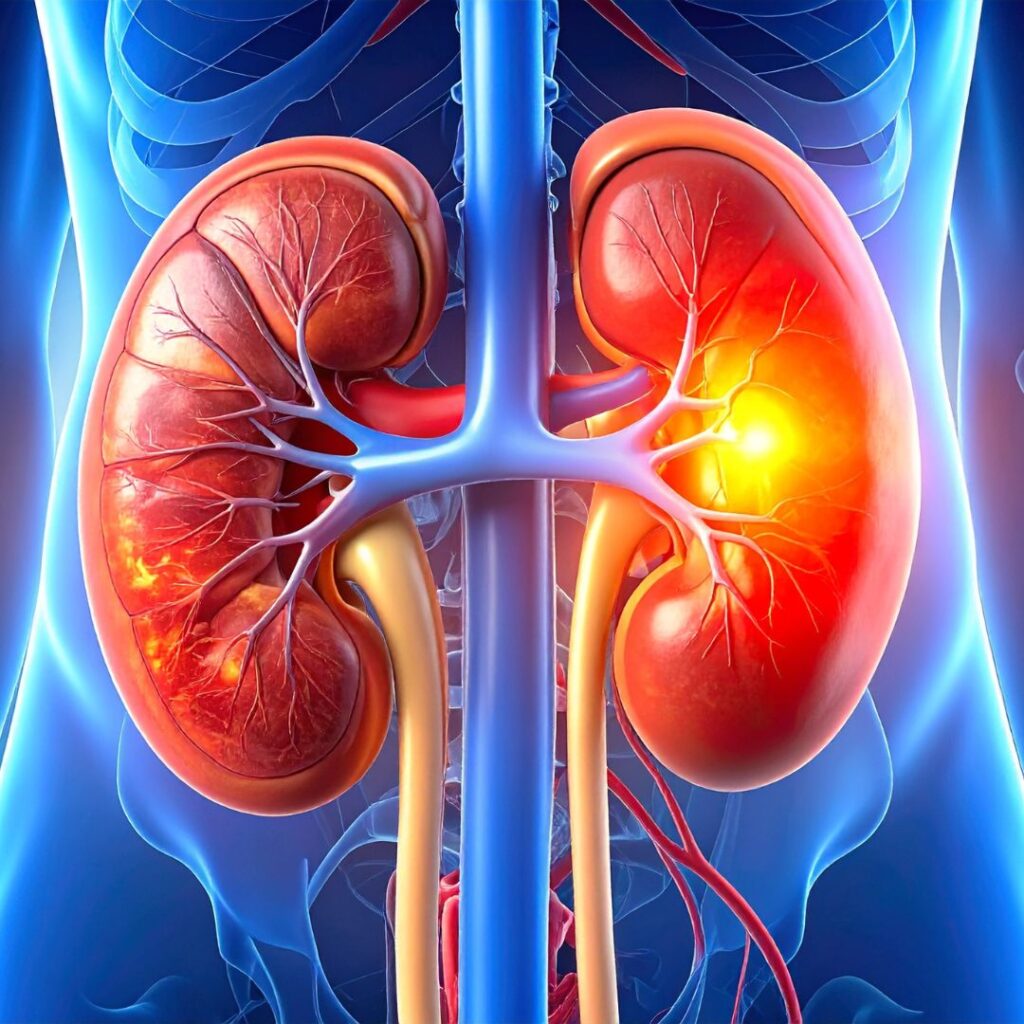

Early Symptoms of Kidney Problems and Urinary Imbalance
Urinary and kidney disorders rarely appear suddenly. In many cases, the body begins to show subtle warning signs that indicate an imbalance in the urinary system. Recognizing the early symptoms of kidney problems and urinary disturbances can help prevent complications and support timely care. Many of these symptoms may also be linked to urinary bladder problems, especially when the bladder becomes irritated or inflamed. Paying attention to these early signals helps prevent minor issues from progressing into serious kidney disorders. In holistic care, kidney treatment in Ayurveda focuses on correcting the root cause while supporting natural detoxification and kidney function.

Frequent Urination
A noticeable increase in how often you need to pass urine, particularly at night.

Burning or Pain During Urination
A burning sensation while passing urine, often linked to infection or irritation.

Cloudy or Strong-Smelling Urine
Changes in urine clarity or the presence of an unusual smell.
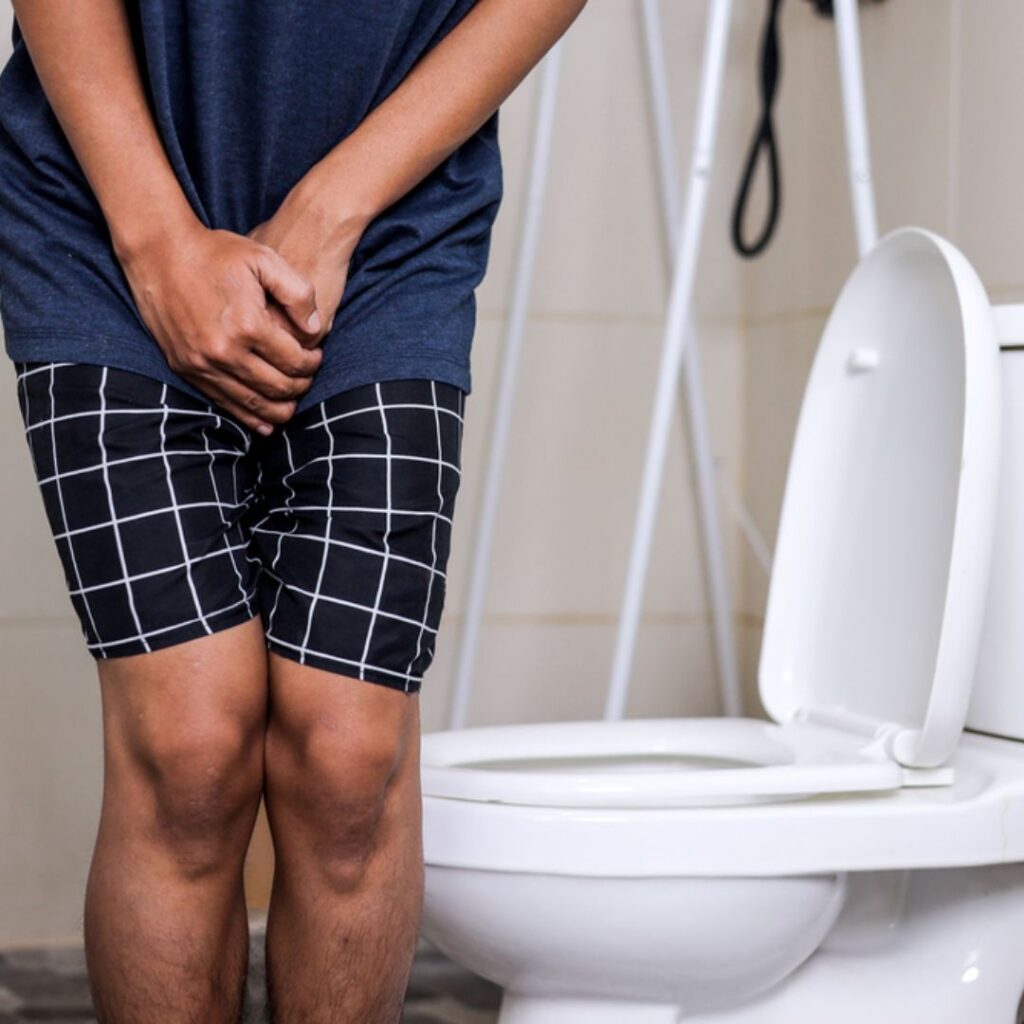
Difficulty Passing Urine
Feeling the urge to urinate but producing only a small amount of urine.

Foamy or Frothy Urine
Persistent bubbles or foam appearing in urine.
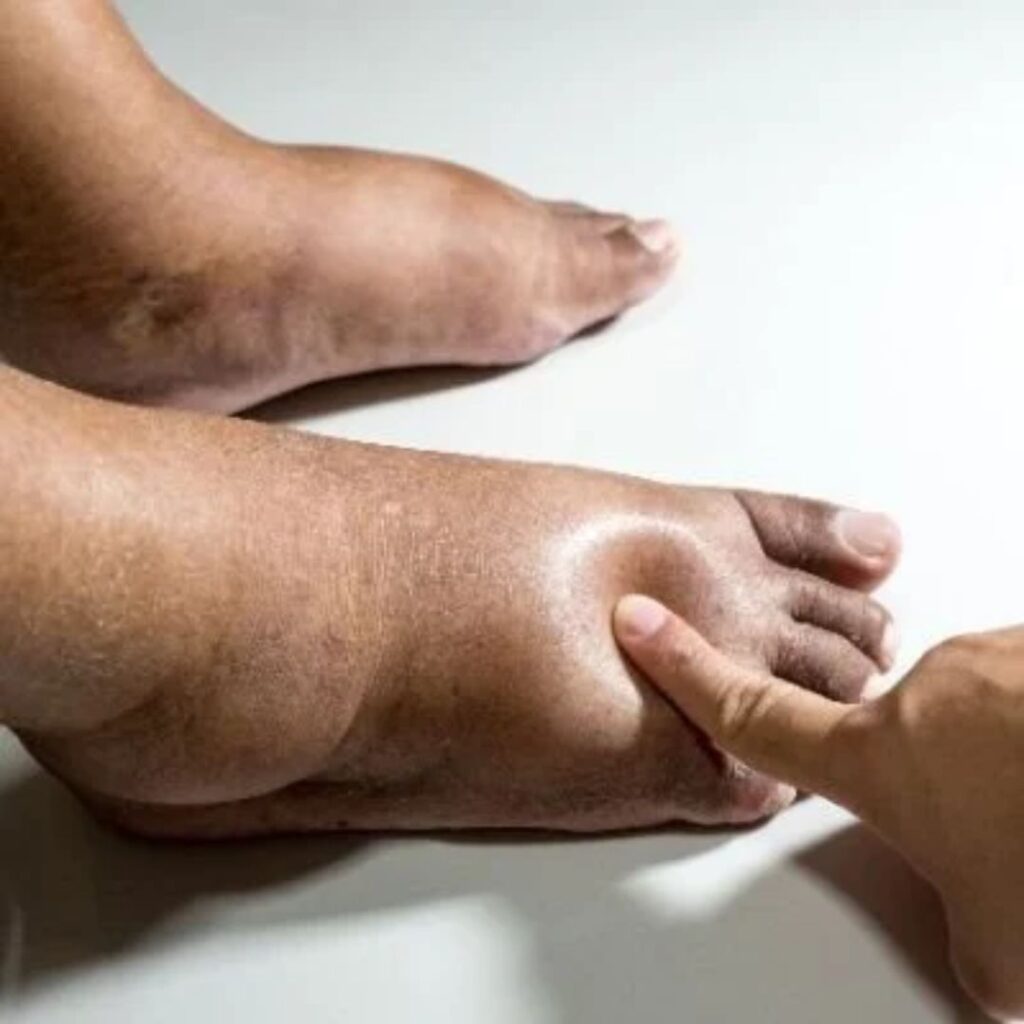
Puffiness Around the Eyes or Swelling in the Legs and Feet
Fluid retention caused by reduced kidney function.

Persistent Fatigue or Weakness
Feeling unusually tired as waste substances build up in the body.

Lower Back or Flank Discomfort
Pain or discomfort near the kidney region.

Blood in Urine
Urine appearing pink, red, or brown due to the presence of blood.

Reduced Urine Output
Passing noticeably smaller amounts of urine than usual.
Urinary Bladder Problems and Other Common Kidney Disorders
The urinary system includes the kidneys, ureters, bladder, and urethra, which work together to remove waste and toxins from the body through urine. When any part of this system is affected, it can lead to different urinary and kidney disorders. Some conditions primarily affect the kidneys, while others are related to urinary bladder problems or infections within the urinary tract. Understanding these disorders helps in recognizing symptoms early and seeking appropriate care, including supportive approaches such as kidney treatment in Ayurveda.

Kidney Stones
Kidney stones are hard mineral deposits that form inside the kidneys due to the accumulation of salts and minerals in urine. They may cause severe back or abdominal pain, burning urination, difficulty passing urine, and sometimes nausea or blood in the urine.

Urinary Tract Infections (UTIs)
Urinary tract infections occur when bacteria enter the urinary system and multiply in the bladder or urethra. This condition commonly causes burning urination, frequent urge to urinate, pelvic discomfort, cloudy urine, and a persistent feeling of incomplete bladder emptying.
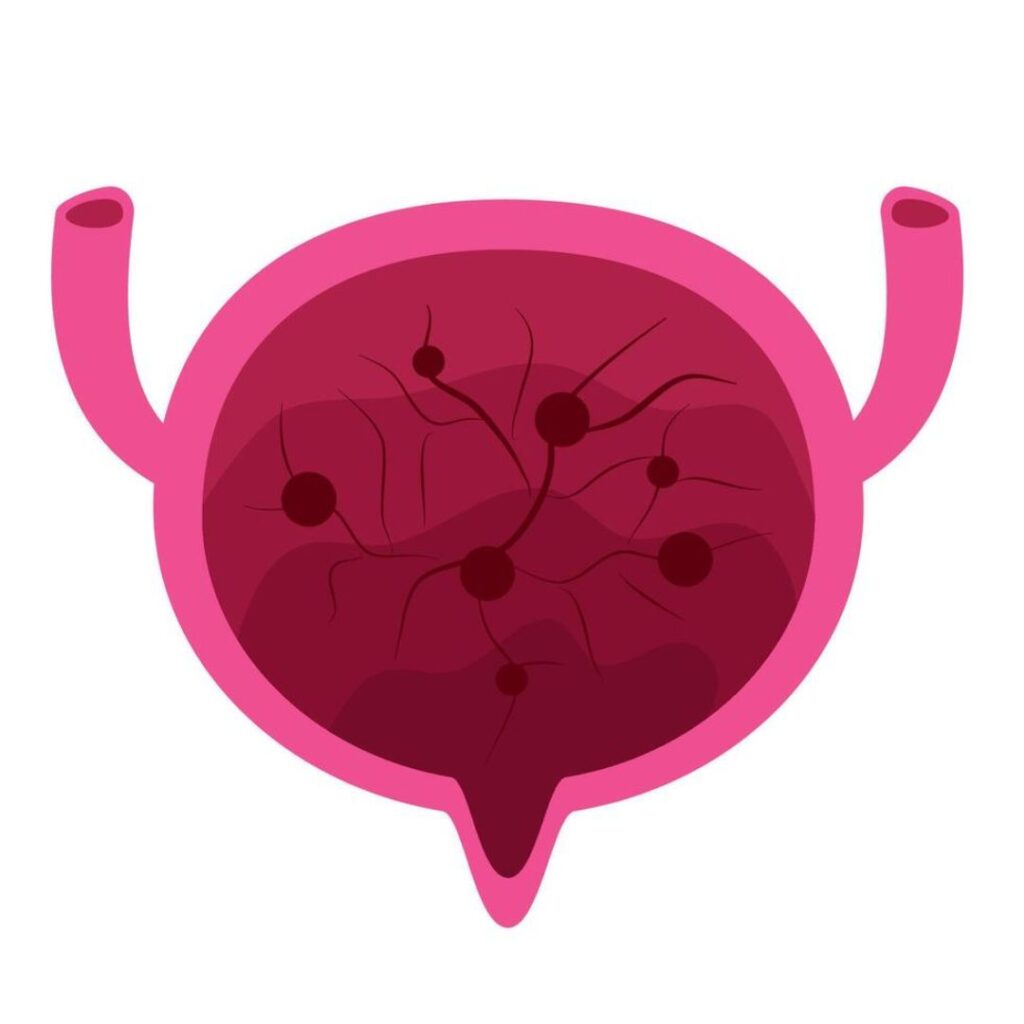
Bladder Inflammation (Cystitis)
Cystitis refers to inflammation of the bladder lining, usually caused by bacterial infection or irritation. It may lead to painful urination, lower abdominal pressure, frequent urination, and a constant urge to pass urine even after emptying the bladder.

Kidney Infections
Kidney infections develop when bacteria from the urinary tract spread upward to the kidneys. Symptoms may include fever, back pain, nausea, painful urination, fatigue, and sometimes chills or discomfort in the lower back region.

Kidney Cysts
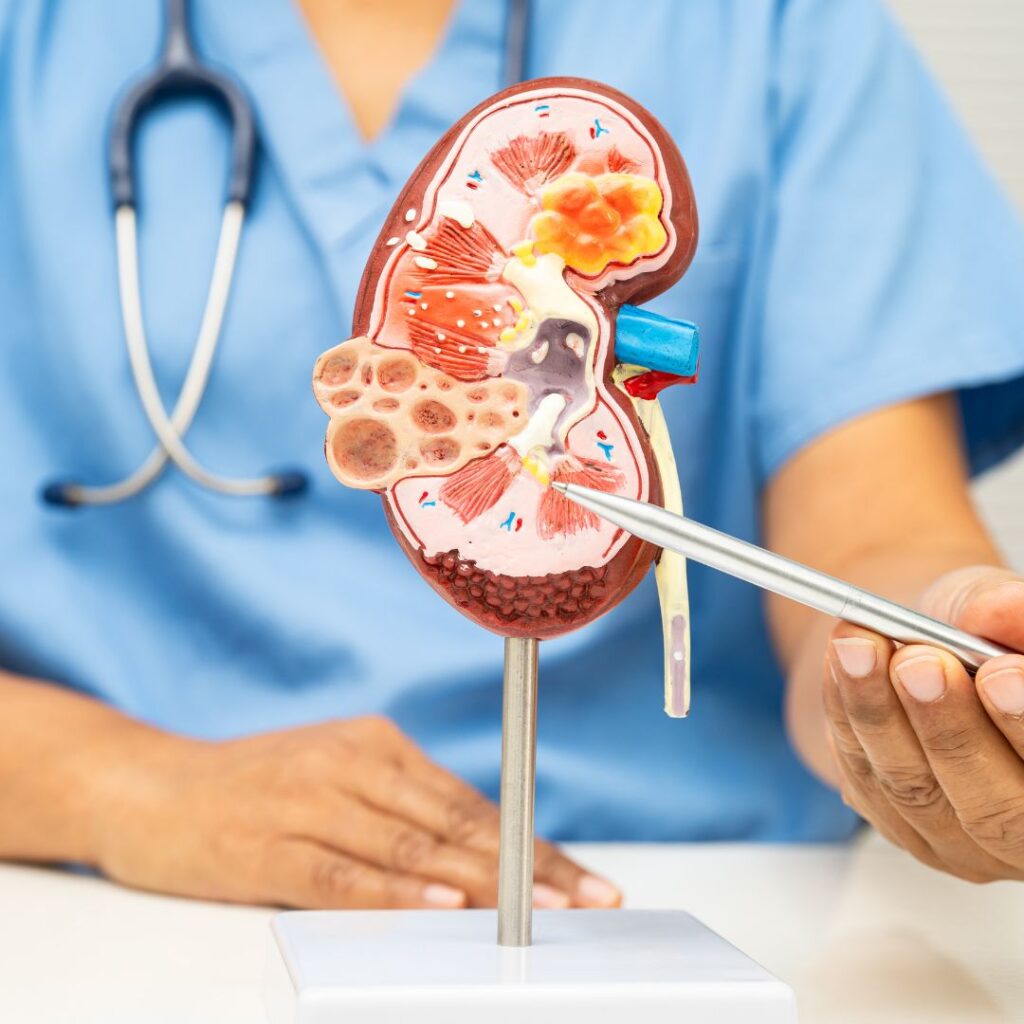
Kidney cysts refer to small pockets of fluid that can appear inside the kidneys or on their outer structure. While many cysts are harmless, larger cysts may cause discomfort, abdominal pressure, or gradually affect normal kidney function over time.
Chronic Kidney Disease (CKD)
Chronic kidney disease occurs when the kidneys gradually become less effective at filtering waste and maintaining the body’s fluid balance. Over time, this may lead to toxin buildup, fatigue, swelling, and other systemic health concern.
Causes of Urinary Bladder Problems and Kidney Disorders
Urinary and kidney disorders can develop due to a variety of lifestyle habits, infections, metabolic disturbances, and underlying health conditions. When the body’s filtration and elimination processes are affected, it may lead to different urinary bladder problems or gradually impact kidney function. Understanding these causes helps identify risk factors early and supports timely care.
Dehydration and Inadequate Fluid Intake
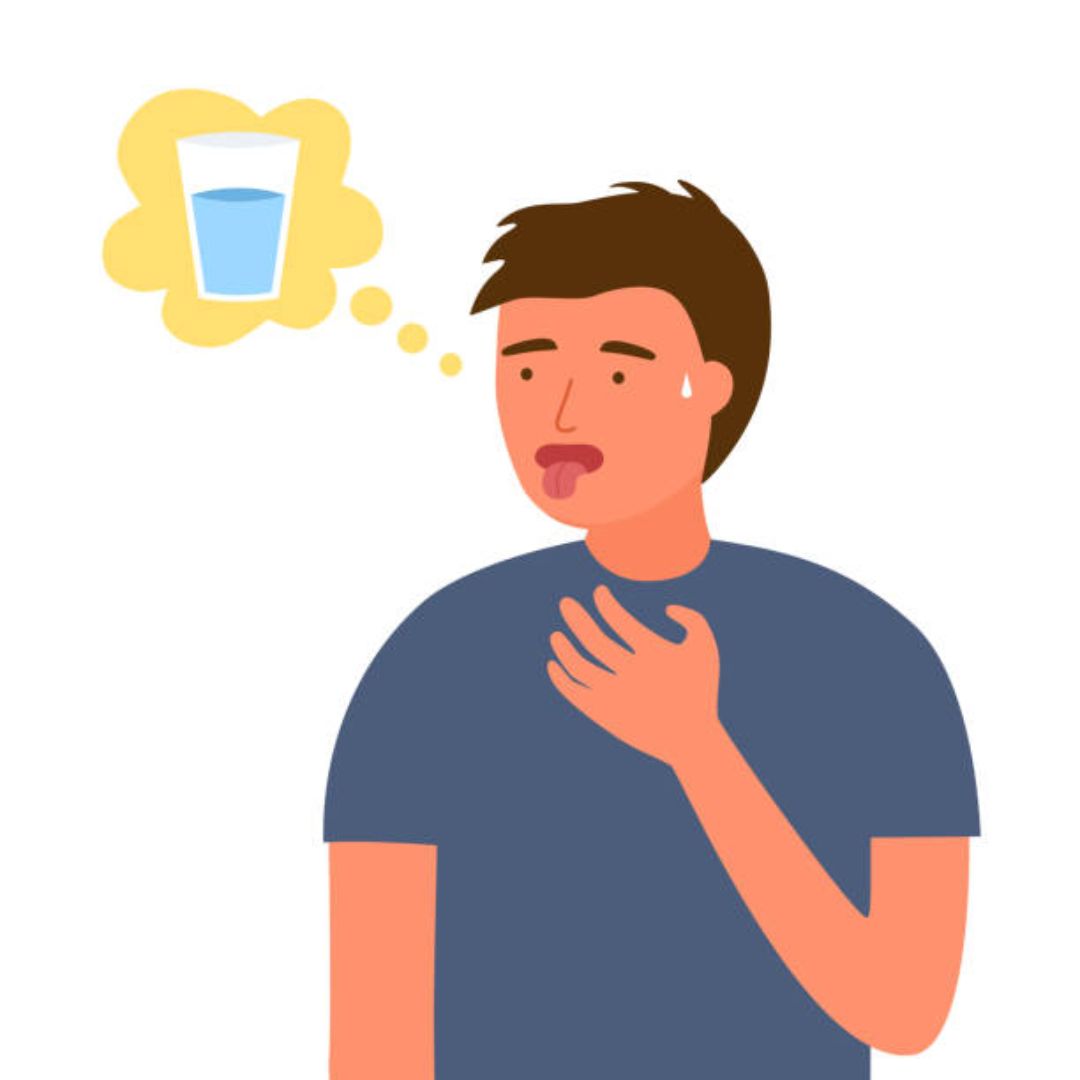
Not drinking enough water can cause urine to become highly concentrated, increasing the risk of mineral buildup, urinary irritation, and kidney stone formation. Proper hydration is essential for flushing toxins, supporting urine flow, and maintaining healthy kidney and urinary function.
Urinary Tract Infections
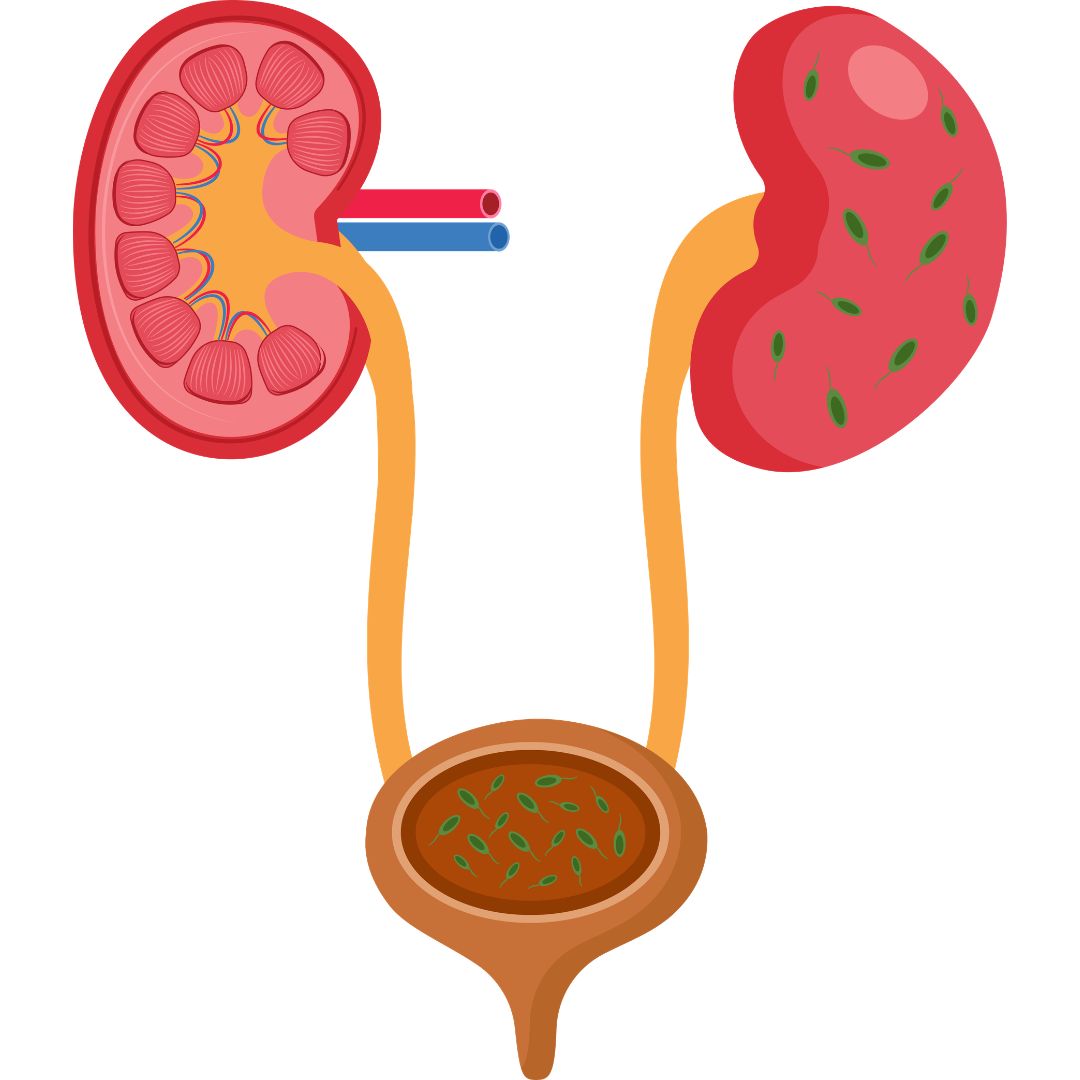
Bacterial infections entering the urinary tract can irritate the bladder lining and lead to inflammation. If such infections are not treated in time, they may spread upward toward the kidneys and contribute to more serious urinary and kidney complications over time.

Toxin Accumulation in the Body
Poor dietary habits, environmental toxins, and impaired digestion may lead to the buildup of metabolic waste in the body. When these toxins accumulate, they can interfere with normal kidney filtration, disturb metabolism, and affect overall urinary health.

High Salt and Processed Food Consumption
Regular intake of salty, packaged, or highly processed foods can place additional stress on the kidneys. Excess sodium may disturb fluid balance in the body and increase the risk of kidney strain, fluid retention, and recurring urinary bladder problems.

High Blood Pressure (Hypertension)
Long-term high blood pressure can gradually damage the tiny blood vessels responsible for filtering waste in the kidneys. Over time, this may reduce kidney efficiency, disturb fluid balance, and increase the risk of developing chronic kidney disorders.
Diabetes and Blood Sugar Imbalance
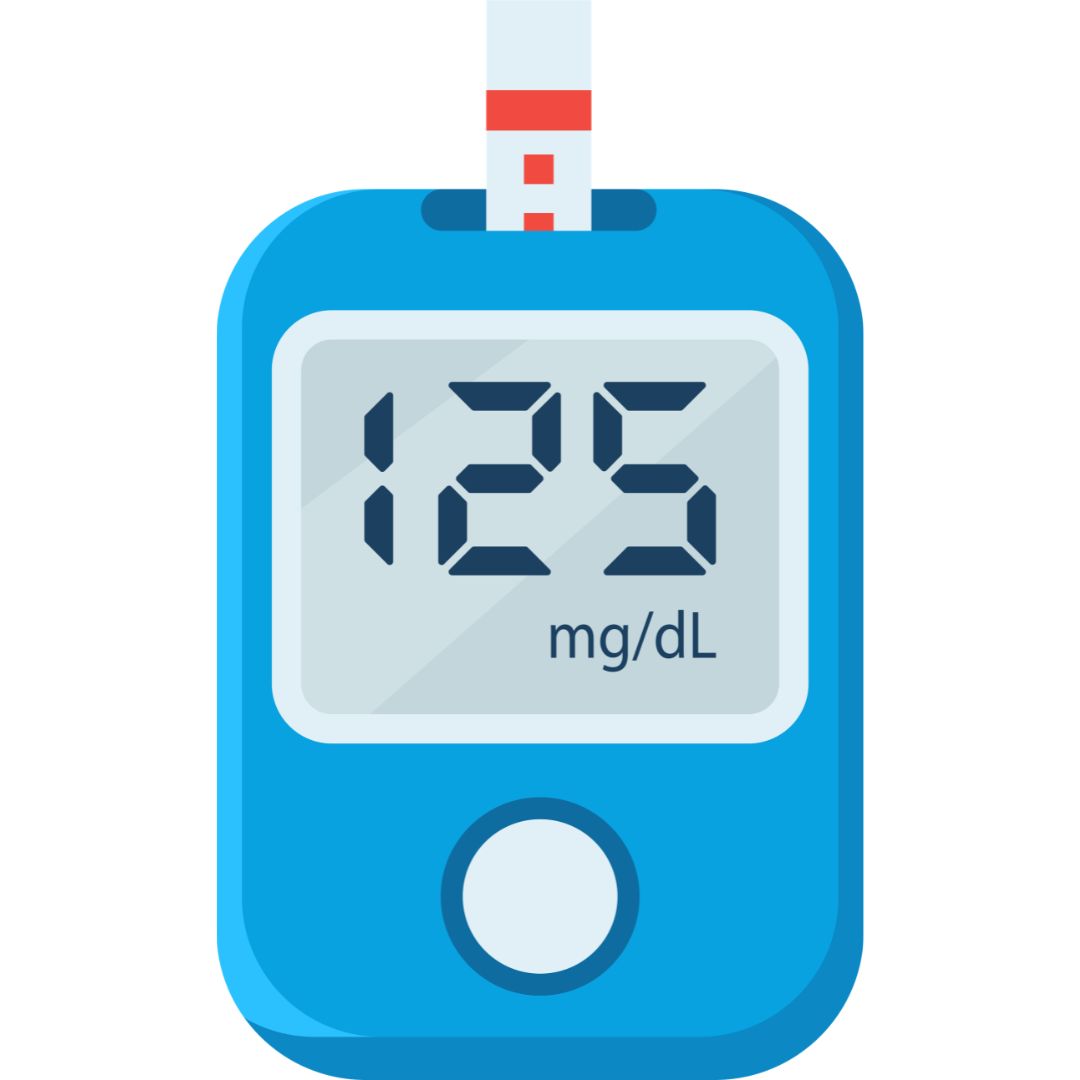
Uncontrolled diabetes can damage the tiny blood vessels responsible for filtering waste in the kidneys. Over time, this may reduce kidney efficiency, disturb fluid balance, and increase the risk of long-term kidney disorders and urinary complications.

Long-Term Use of Painkillers
Frequent or prolonged use of certain pain-relieving medications may affect kidney function when taken without proper medical supervision. Over time, these medicines can strain the kidneys and increase the risk of kidney damage and urinary complications.
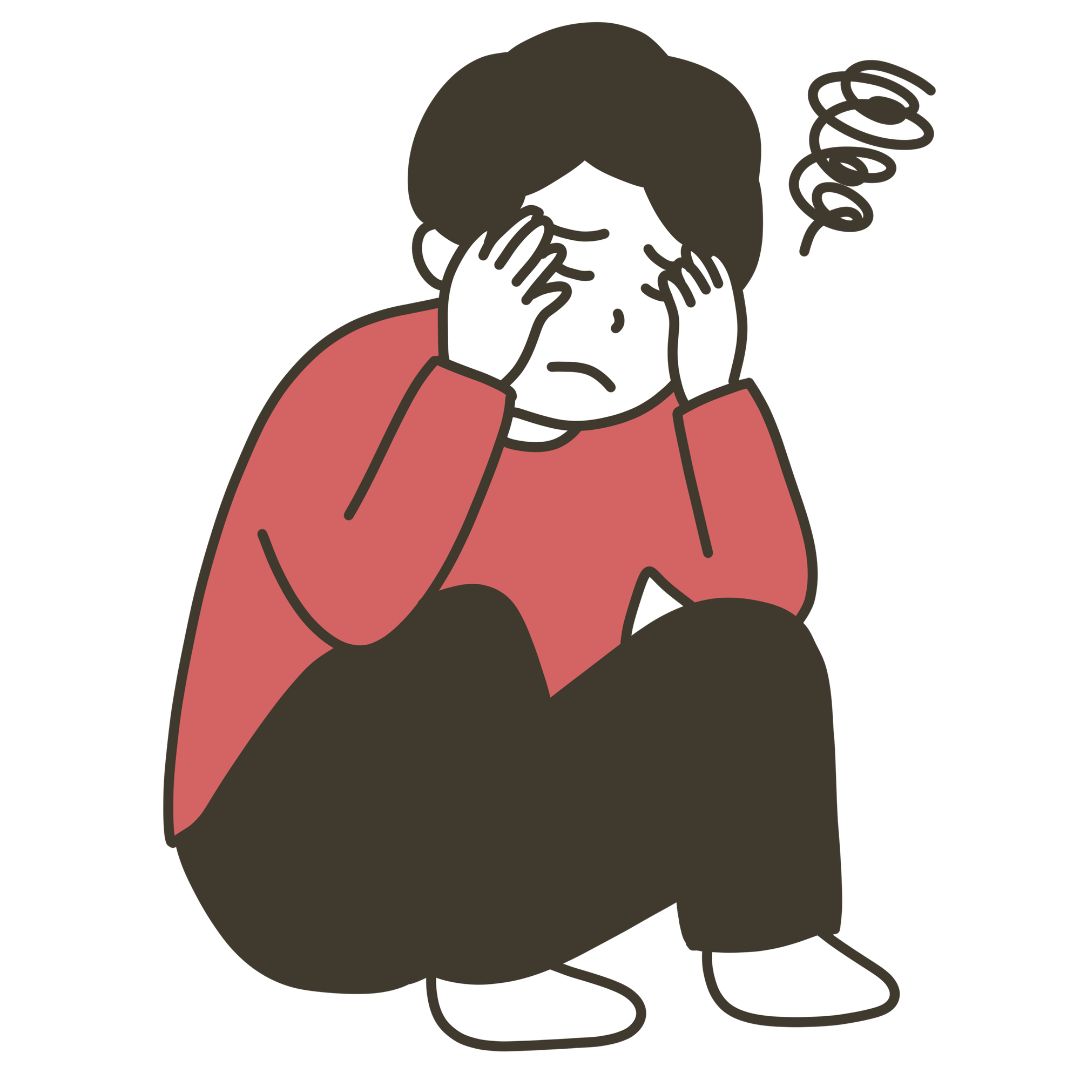
Sedentary Lifestyle and Chronic Stress
Lack of regular physical activity and prolonged stress can negatively affect metabolism and circulation. These factors may indirectly strain kidney function, disturb hormonal balance, and contribute to the development of urinary disorders over time.
Ayurvedic Kidney Disease Treatment and Natural Care for Urinary Problems
Ayurveda approaches urinary and kidney disorders by focusing on the root cause rather than only managing symptoms. According to Ayurvedic principles, disturbances in the Mutravaha Srotas (urinary channels), dosha imbalance, and toxin accumulation can affect kidney function and lead to urinary discomfort. Ayurvedic kidney disease treatment therefore aims to restore internal balance, support detoxification, and strengthen the body’s natural healing processes. Through carefully selected herbs, dietary guidance, and lifestyle adjustments, this holistic approach helps maintain healthy kidney function and provides supportive ayurvedic medicine for urinary problems.
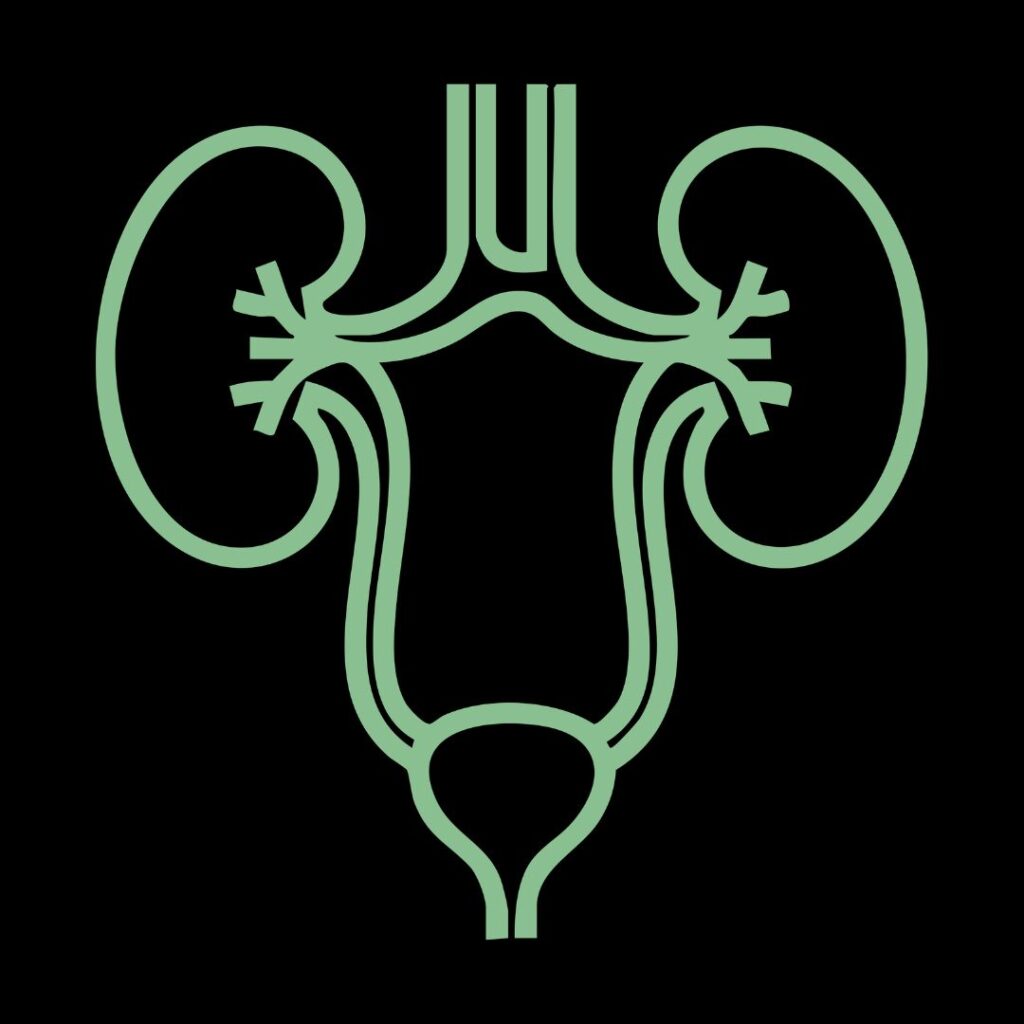
Mutravaha Srotas Shodhana — Purifying the Urinary Channels
In Ayurveda, the kidneys and urinary tract are part of the Mutravaha Srotas. When these channels become blocked by toxins or metabolic waste, urinary imbalance may occur. Cleansing these pathways supports smoother urine flow and healthier kidney filtration.

Dosha Shamana — Regulating Vata, Pitta, and Kapha
Urinary and kidney disorders often arise when the doshas become disturbed. Excess Pitta may cause burning urination, aggravated Vata may lead to urinary obstruction, while Kapha imbalance may slow kidney function. Balancing these doshas helps restore urinary harmony.
Ama Pachana (Reducing Metabolic Toxins)
Improper digestion can lead to the formation of Ama—toxic metabolic waste that circulates in the body. This buildup may burden the kidneys and urinary system. Reducing Ama supports detoxification and healthier kidney function.

Mutrala Dravya (Natural Diuretic Herbs)
Ayurveda uses specific herbs known as Mutrala Dravyas that help support healthy urine flow. These herbs assist in flushing toxins, reducing inflammation, and supporting the kidneys’ natural cleansing process.

Rasayana Chikitsa (Rejuvenating Kidney Health)
Rasayana therapies focus on strengthening tissues and promoting long-term vitality. In kidney care, this approach helps nourish the body, support kidney resilience, and encourage gradual healing.

Aahara–Vihara (Diet and Lifestyle Regulation)
Balanced diet, proper hydration, therapies like Abhyanga, and healthy daily routines help maintain kidney health. Appropriate dietary habits and lifestyle adjustments reduce strain on the kidneys and support urinary balance.
Ayurvedic Medicine for Urinary Problems and a Kidney Friendly Diet
Along with ayurvedic kidney disease treatment, Ayurveda places strong emphasis on herbal medicines and carefully planned dietary habits to maintain urinary and kidney health. According to Ayurvedic principles, disturbances in the Mutravaha Srotas (urinary channels), weak digestion (Agni), and accumulation of metabolic toxins (Ama) can affect kidney filtration and urinary balance. Appropriate ayurvedic medicine for urinary problems, combined with supportive nutrition, helps maintain smooth urine flow, support kidney function, and reduce irritation in the urinary tract. At the same time, following a thoughtfully planned kidney friendly diet helps reduce strain on the kidneys and supports the body’s natural detoxification processes.
Common Ayurvedic Herbs Used for Urinary Health
Several herbs have traditionally been used in Ayurveda to support urinary balance and kidney function. Punarnava (Boerhavia diffusa) is widely valued for maintaining fluid balance and supporting the elimination of excess water from the body. Gokshura (Tribulus terrestris) is traditionally used to promote smooth urine flow and support the health of the urinary tract. Varuna (Crataeva nurvala) is known for supporting bladder health and maintaining proper urinary function. Together, these herbs are commonly included in formulations used as ayurvedic medicine for urinary problems, helping maintain a healthy urinary system and supporting kidney function.
Dietary Habits that Support Kidney Health
In Ayurveda, diet is considered an essential factor in maintaining the health of the Mutravaha Srotas. When digestion becomes weak and metabolic toxins (Ama) accumulate, kidney function and urinary balance may be disturbed. A balanced kidney friendly diet therefore focuses on foods that support digestion, maintain fluid balance, and reduce unnecessary strain on the kidneys. Warm, freshly prepared meals that are light and easy to digest help keep Agni stable and support the body’s natural elimination processes. Maintaining proper hydration helps regulate urine flow. At the same time, limiting excessive salt, fermented foods, and heavily processed meals helps maintain dosha balance and supports long-term urinary and kidney health.






Why Choose DNAveda for Urinary Care & Kidney Treatment in Ayurveda
At DNAveda, urinary and kidney concerns are managed through a thoughtful blend of classical Ayurvedic wisdom and careful clinical practice. Our approach focuses on identifying the internal imbalance affecting the urinary system and supporting kidney health through personalized ayurvedic kidney disease treatment. Patients trust DNAveda for care that is precise, natural, and focused on long-term urinary wellness. Here’s what makes our approach different:

Precise Ayurvedic Diagnosis
Using classical methods such as Nadi Pariksha, symptom analysis, and digestive assessment, we identify the deeper imbalance affecting urinary and kidney health.

20+ Years of Clinical Experience
Treatment is guided by an experienced Ayurvedic doctor who has managed a wide range of urinary and kidney conditions through authentic Ayurvedic care.

Authentic Ayurvedic Medicines
We rely on carefully selected herbal formulations traditionally used as ayurvedic medicine for urinary problems to support urinary balance and kidney health.

Personalized Kidney-Friendly Diet Guidance
Dietary recommendations are tailored to support kidney function and help patients maintain a sustainable kidney friendly diet.

Supportive Ayurvedic Therapies
Therapies such as Basti (medicated enema therapy) may be recommended to help cleanse metabolic toxins and support urinary system balance.

Focus on Root-Cause Healing
Rather than temporary symptom relief, our goal is to restore urinary balance and support long-term kidney health through holistic Ayurvedic care.
Take the First Step Toward Better Urinary and Kidney Health with Ayurveda
Urinary discomfort, recurrent infections, or early kidney imbalance should never be ignored. With the right guidance and timely care, many urinary and kidney disorders can be managed effectively through Ayurveda.
At DNAveda, our approach focuses on identifying the root cause of the imbalance and restoring healthy urinary function through personalized ayurvedic kidney disease treatment. With expert diagnosis, classical herbal medicines, and supportive lifestyle guidance, we aim to help patients regain balance and long-term wellness.
If you are experiencing persistent urinary issues or concerns related to kidney health, consult our experienced Ayurvedic doctor to receive the right care for your condition.
Book your consultation today and take the first step toward healthier kidneys and better urinary balance.
Frequently Asked Questions (FAQs)
How can kidney and urinary health be supported naturally?
Kidney and urinary health can be supported through proper hydration, balanced nutrition, and healthy lifestyle habits. Drinking enough water helps maintain urine flow and supports waste removal. Limiting excess salt, processed foods, and unhealthy lifestyle habits can reduce strain on the kidneys. Following a kidney friendly diet and maintaining digestive balance also helps support long-term urinary and kidney health.
Can kidney function improve without dialysis?
In early or moderate stages of kidney dysfunction, kidney function may stabilize or improve when underlying causes such as dehydration, high blood pressure, or metabolic imbalance are managed properly. Lifestyle changes, appropriate diet, and timely medical care can help protect kidney function. Early intervention is important because advanced kidney damage is much harder to reverse.
How can kidney function improve through Ayurvedic care?
Ayurveda focuses on correcting the internal imbalance affecting the body rather than only managing symptoms. Kidney treatment in Ayurveda may include herbal medicines, dietary adjustments, detoxification approaches, and lifestyle changes designed according to an individual’s constitution. This holistic approach helps support kidney filtration, maintain healthy urine flow, and reduce metabolic toxin accumulation.
What lifestyle habits help protect kidney health?
Healthy daily habits play an important role in maintaining kidney function. Drinking adequate water, maintaining a balanced diet, exercising regularly, and managing stress help support metabolic balance. Avoiding excessive salt, alcohol, and processed foods can reduce strain on the kidneys. Managing conditions such as diabetes and high blood pressure is also essential for long-term kidney health.
How can bladder health be maintained naturally?
Bladder health can be supported by maintaining proper hydration, avoiding excessive caffeine and alcohol, and not delaying urination for long periods. Balanced digestion, healthy diet, and good hygiene also help maintain urinary comfort. These habits support the proper functioning of the urinary system and may help reduce the risk of recurrent urinary bladder problems.
When should someone consult a doctor for urinary or kidney concerns?
Medical advice should be sought if symptoms such as burning urination, blood in urine, persistent back pain, swelling in the legs, or frequent urination continue for several days. Early consultation helps identify the underlying cause and prevents minor urinary issues from progressing into more serious kidney or bladder conditions.
How is kidney function usually evaluated?
Kidney health is typically evaluated through medical consultation and diagnostic tests such as blood tests, urine analysis, and imaging studies when required. These tests help determine how effectively the kidneys are filtering waste and maintaining fluid balance. Any diagnostic evaluation should always be performed under the guidance of a qualified healthcare professional.
What are the most common factors that affect kidney function?
Kidney function can be affected by several factors including dehydration, high blood pressure, diabetes, chronic infections, excessive salt intake, and certain medications. Poor lifestyle habits, metabolic imbalance, and long-term health conditions may gradually place strain on the kidneys and affect their ability to filter waste effectively.
How does Ayurveda approach urinary and kidney disorders?
Ayurveda approaches urinary and kidney disorders by focusing on restoring balance within the body’s internal channels responsible for urine formation and elimination. Ayurvedic kidney disease treatment may include herbal medicines, dietary guidance, detoxification approaches, and lifestyle adjustments aimed at improving kidney function and maintaining healthy urinary balance.
Can diet and lifestyle help prevent urinary and kidney disorders?
Yes. Consistent healthy lifestyle habits play a significant role in preventing many urinary and kidney problems. Drinking adequate water, maintaining balanced digestion, reducing excessive salt intake, and following a kidney friendly diet can support the body’s natural filtration and urinary processes while reducing strain on the kidneys.
Address
D58, near Kaushambi Metro Station, Anand Vihar, Kaushambi, Ghaziabad, Uttar Pradesh 201010
Call Us
+91 9625554890
Email Us
ayurvedadna@gmail.com