
Understanding Panchakarma Raktamokshana: When Blood Imbalance Becomes Chronic
In Ayurveda, blood (Rakta Dhatu) is considered one of the most important tissues responsible for healthy skin, balanced circulation, and controlled inflammation. When poor digestion, unhealthy eating, chronic stress, or long-standing inflammation overload the blood with toxins, the body begins to show clear signs of imbalance.
As a result, you may start noticing recurring skin issues, excess body heat, swelling, or signs of vascular congestion. Panchakarma Raktamokshana is the classical Ayurvedic therapy designed to remove this imbalanced blood and restore internal balance.
However, unlike temporary treatments that only suppress symptoms, Panchakarma Raktamokshana aims to remove the root cause by clearing impure or stagnated blood. We perform this therapy only after a detailed Ayurvedic assessment and is recommended when Rakta Dhatu involvement is clearly identified.
When used for the right condition, patients may experience:
- Reduction of chronic inflammation
- Improvement in microcirculation
- Detoxification of blood tissue
- Prevention of disease recurrence
- Restoration of skin and vascular health
At DNAveda, we perform Panchakarma Raktamokshana using classical Ayurvedic principles, modern hygiene standards, and individualized diagnosis to ensure safety and effectiveness.
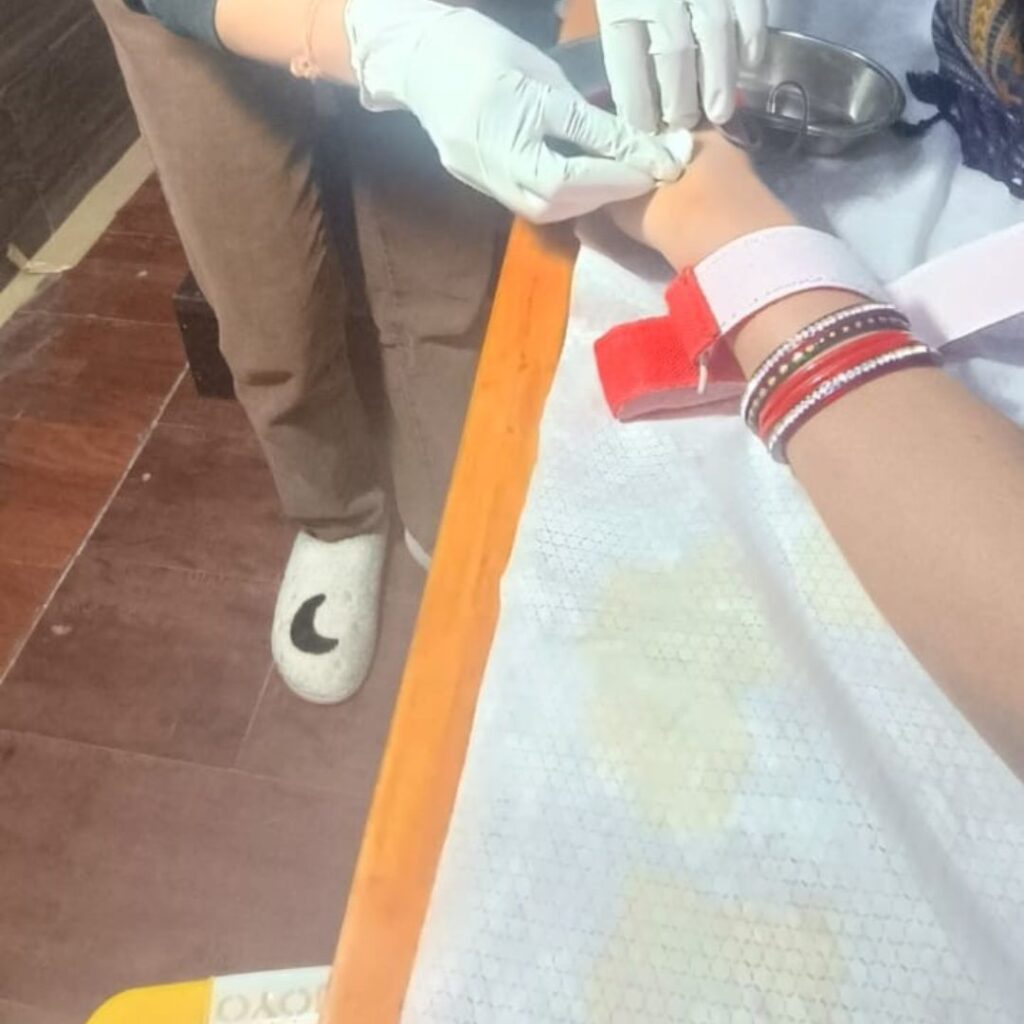
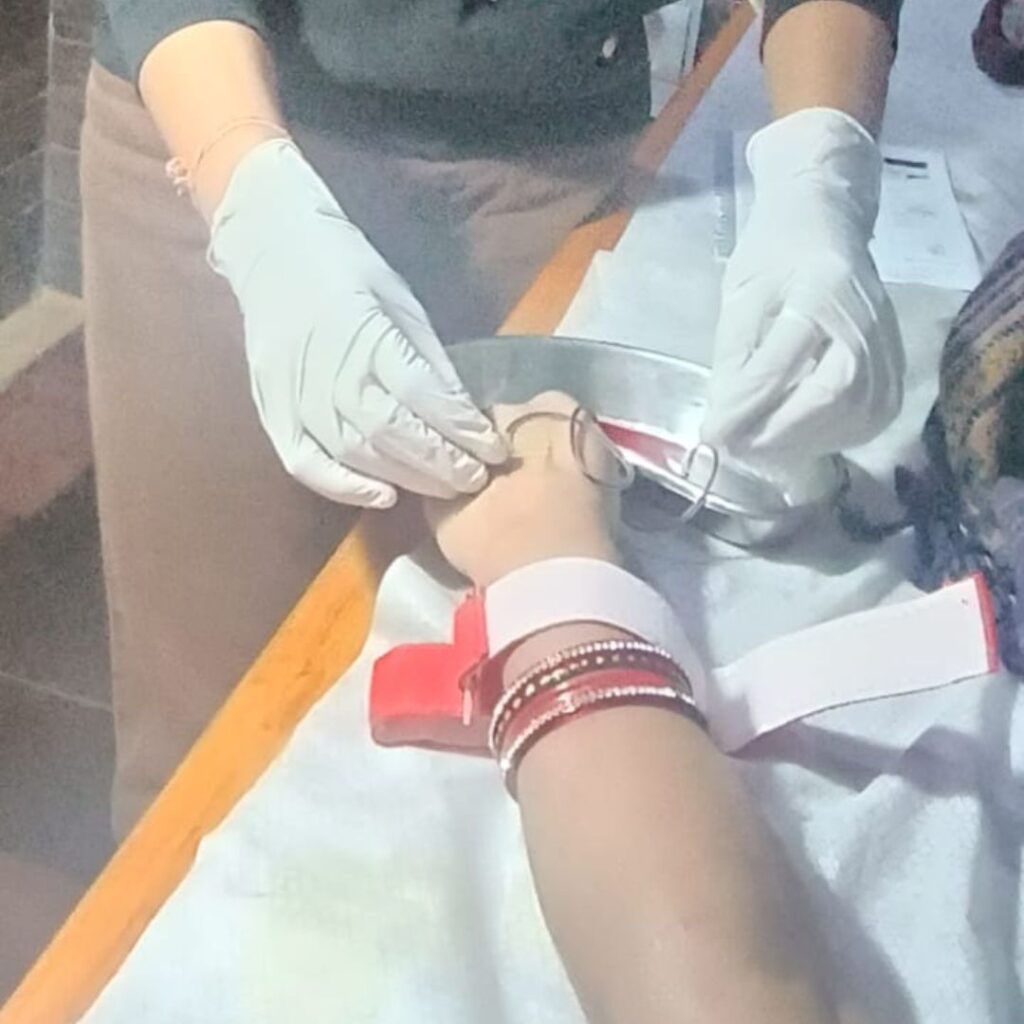
Panchakarma Raktamokshana Therapies
Ayurveda describes three classical methods of performing Raktamokshana. Each method is selected based on whether the condition is localized or systemic, the severity of inflammation, and the patient’s overall health. The goal is not simply to remove blood, but to eliminate vitiated or stagnant blood that contributes to chronic disease.
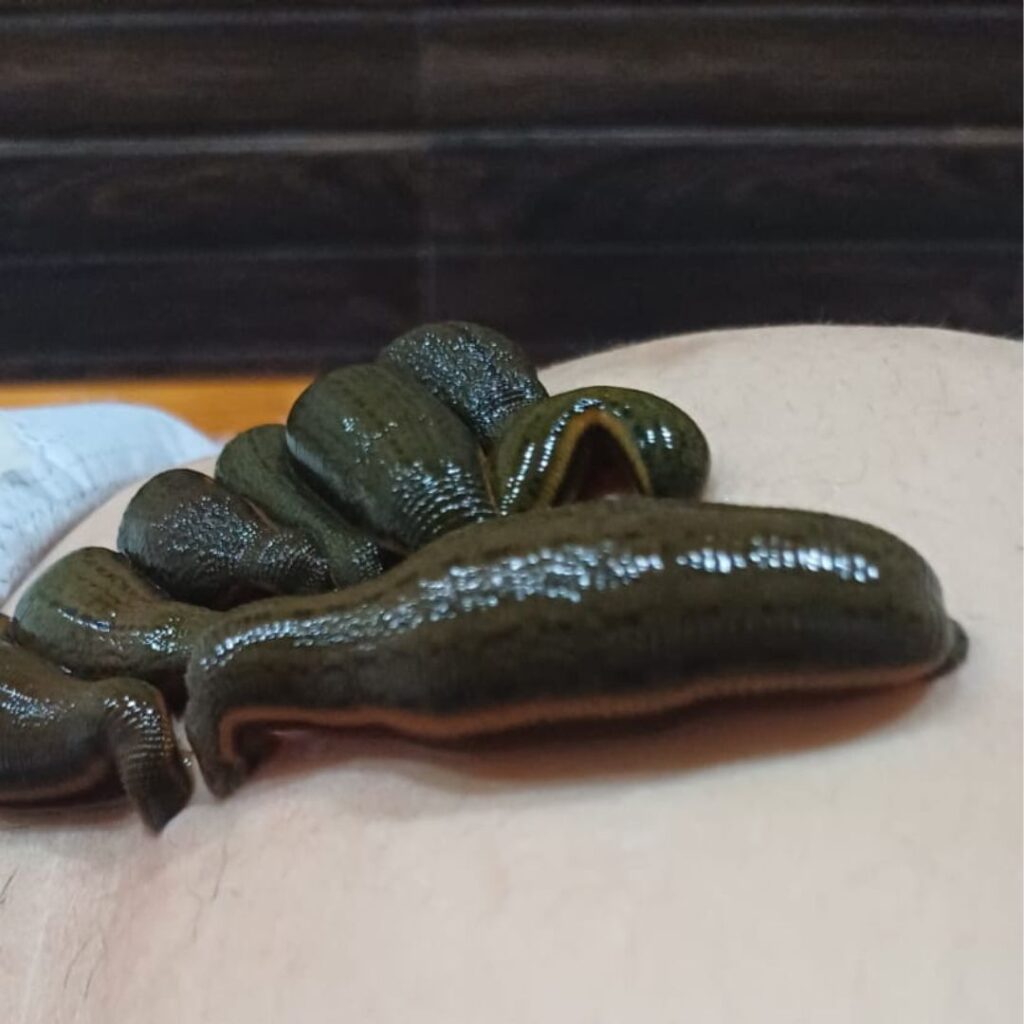
Jalaukavacharana (Leech Therapy in Ayurveda)
This gentle therapy uses medicinal leeches to draw out stagnated blood from a specific area. Their natural enzymes help improve microcirculation, calm heat, and reduce swelling. Leech therapy benefits are seen in varicose veins, venous congestion, thrombophlebitis, psoriasis, eczema, acne inflammation, recurrent boils, localized swelling, gout flares, and slow-healing skin areas. It is also applied in selected women’s health concerns such as endometriosis, adenomyosis, pelvic congestion, and severe menstrual pain. Therefore, we prefer this method for sensitive regions that require a slow and controlled approach.
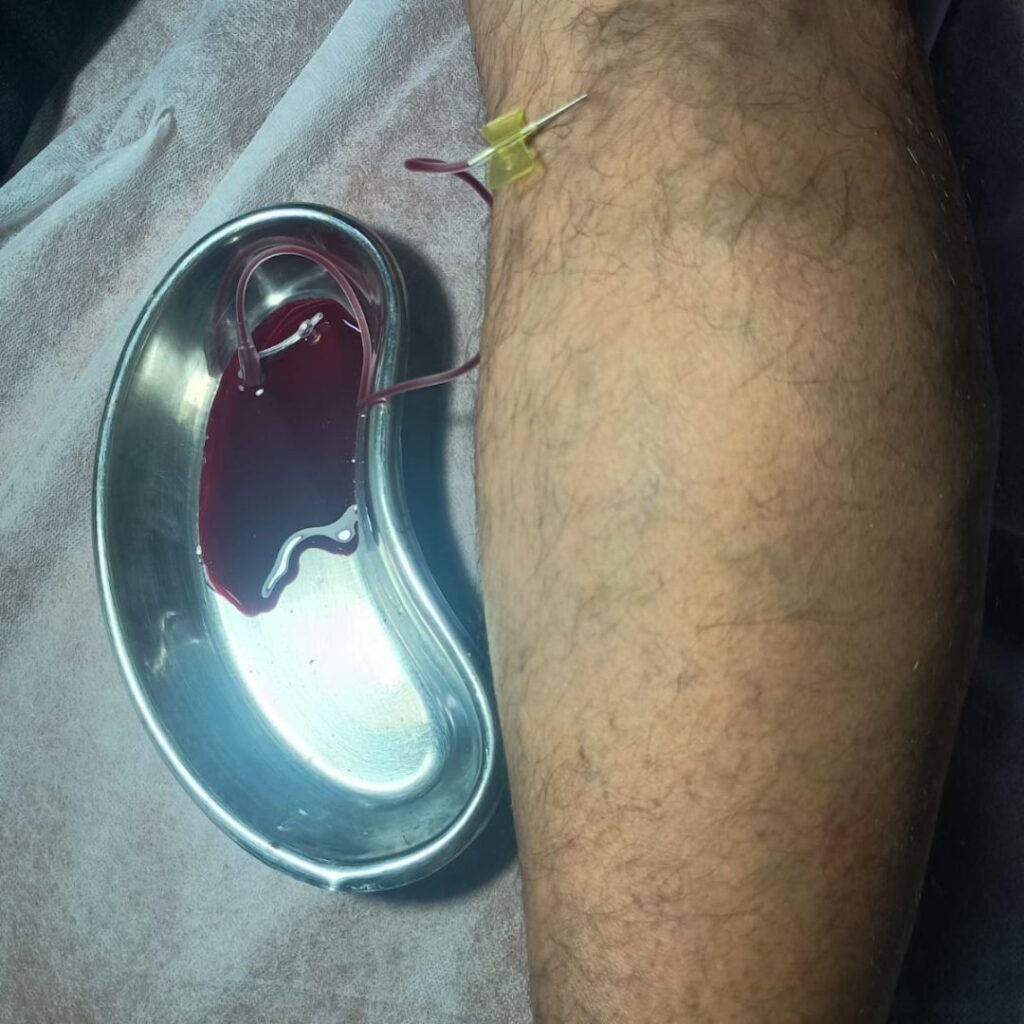
Siravedha (Therapeutic Venesection)
Siravedha removes a measured amount of vitiated blood through a small vein, making it appropriate for imbalances that affect the entire system. For example, it may be recommended for systemic urticaria, Pitta-related disorders, widespread skin eruptions, chronic inflammatory arthritis, Vatarakta (gout), burning sensations in the body, vascular heat accumulation, migraines linked with blood congestion, and scalp inflammatory conditions. Because this method influences deeper circulatory pathways, our practitioners perform it only after evaluating overall strength and stability.
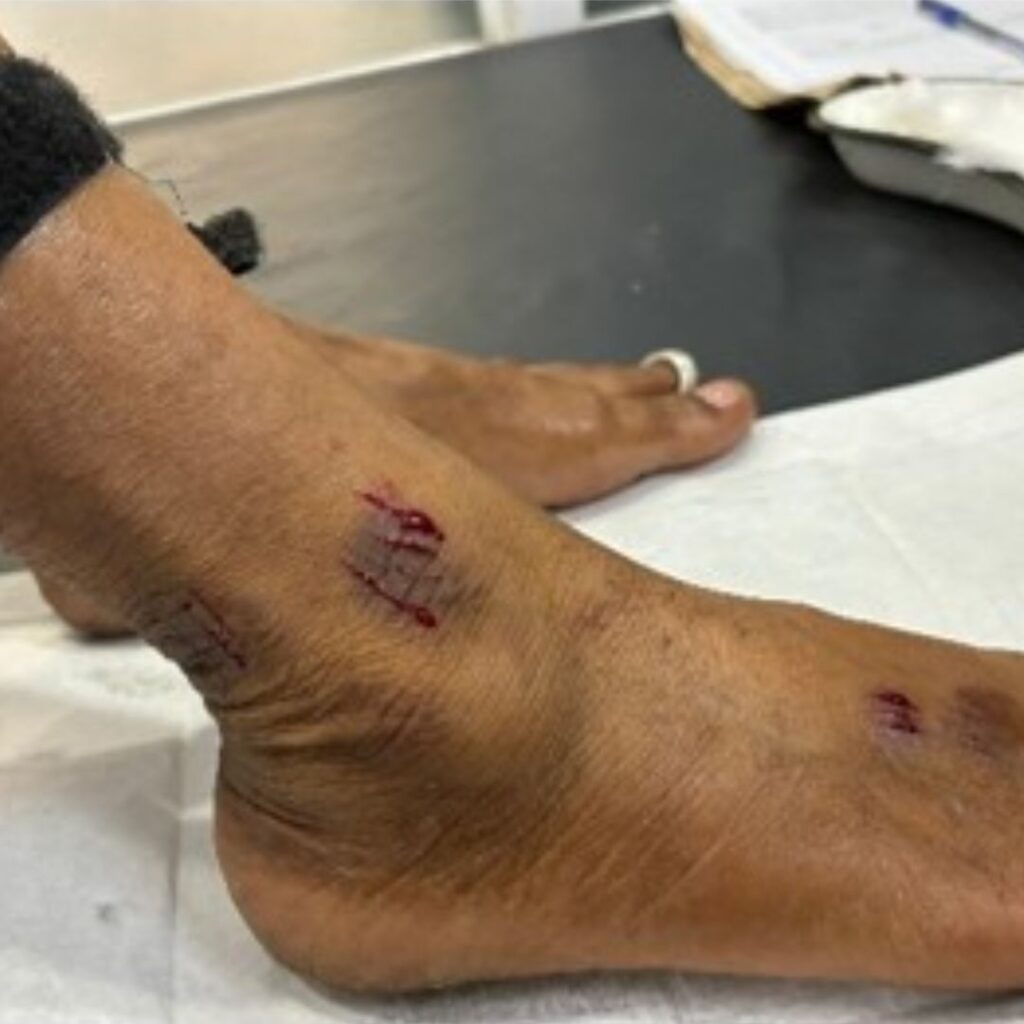
Prachanna (Scarification Technique)
In Prachanna, the practitioner makes a series of fine, shallow cuts on the skin to release accumulated or congested blood. It is useful for pigmented patches, localized acne congestion, small abscess-prone areas, chronic dermatitis spots, scalp inflammatory patches, focal swelling, dull congested skin zones, and certain cosmetic concerns linked to stagnation. In addition, in many cases, Prachanna is combined with Jalaukavacharana for enhanced local relief and smoother recovery.
How Raktamokshana Works: Mechanism, Circulation & Inflammatory Balance
Raktamokshana works by removing vitiated or stagnated blood that carries inflammatory waste and excess heat in the body. It is recommended when blood tissue (Rakta Dhatu) is contributing to chronic inflammation, congestion, or recurrent skin disorders. The therapeutic effect occurs through three primary mechanisms:
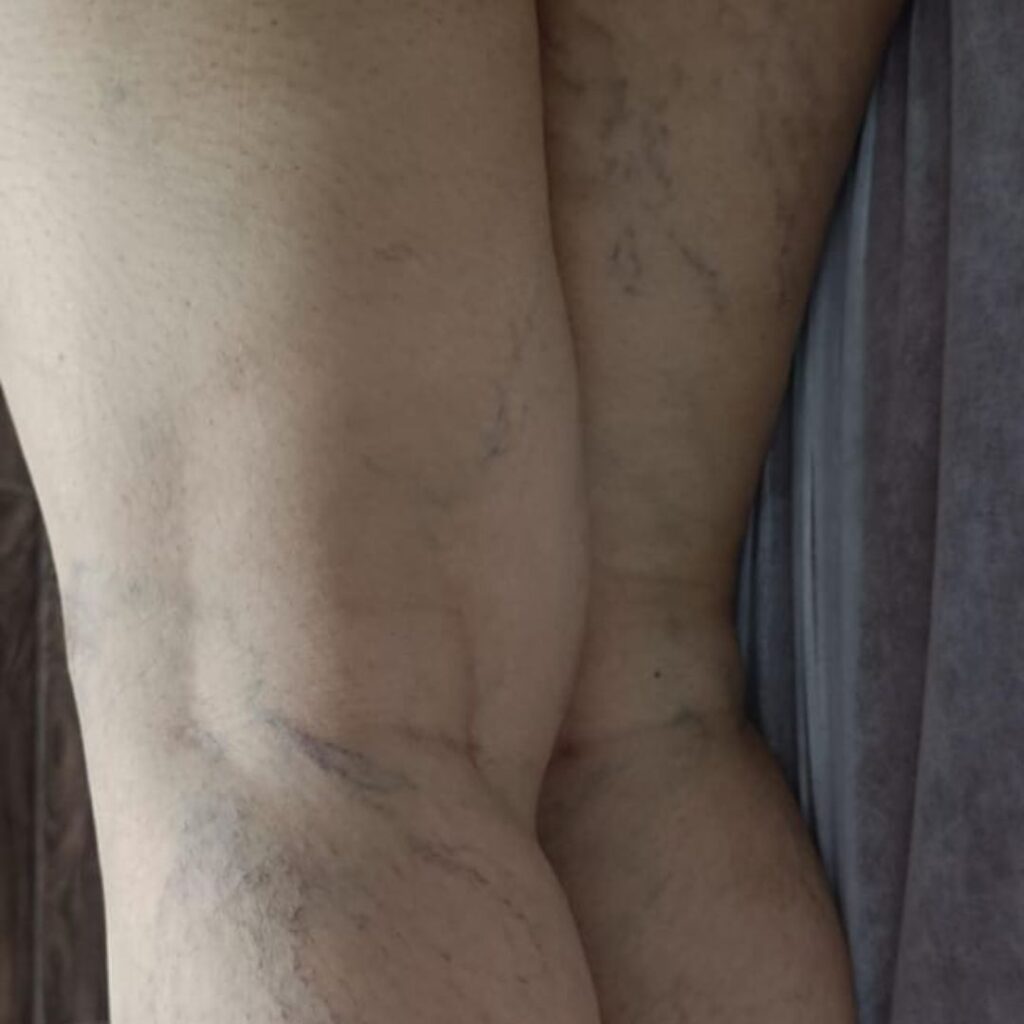
1. Removal of Vitiated Blood (Reduction of Inflammatory Load)
Ayurveda links diseases like psoriasis, acne, urticaria, and varicose veins to impure or overheated blood. When metabolic toxins (Ama) mix with Rakta Dhatu, inflammation increases and symptoms persist.
As a result, by selectively removing the affected portion of blood, Raktamokshana reduces:
- Excess internal heat
- Redness and burning sensation
- Inflammatory swelling
- Recurrent flare-ups
As the inflammatory load reduces, the body gradually regains balance in the affected region. This is why many people notice smoother and more stable relief over time.
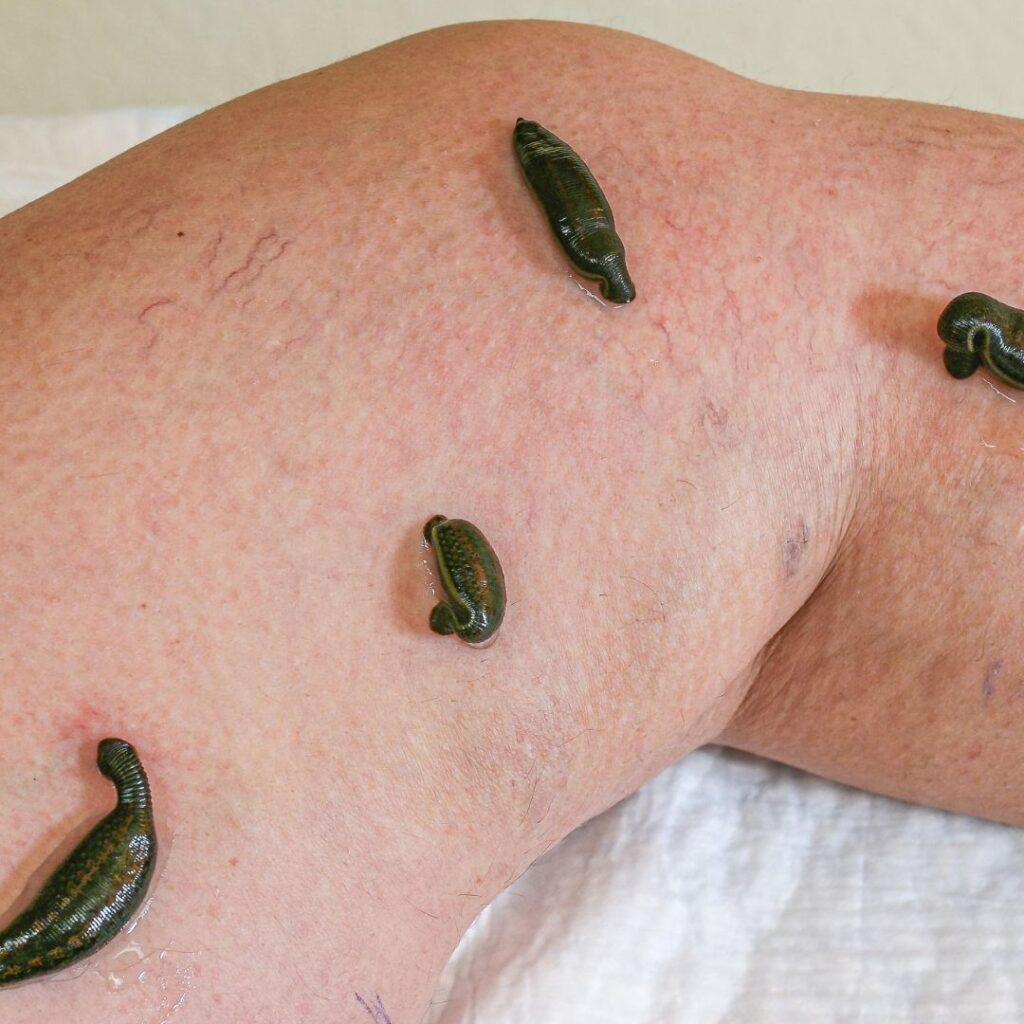
2. Improvement in Microcirculation and Blood Flow
In many chronic conditions, blood stagnation and poor circulation worsen symptoms. In addition, procedures such as Leech Therapy in Ayurveda help improve microcirculation. Medicinal leeches release natural anticoagulant and anti-inflammatory substances that help:
- Improve blood flow in congested areas
- Reduce venous pressure
- Support tissue oxygenation
- Decrease localized swelling
For instance, in cases of varicose veins or inflammatory skin patches, improved circulation plays a major role in symptom relief, which explains why leech therapy benefits are often discussed in vascular and inflammatory conditions.
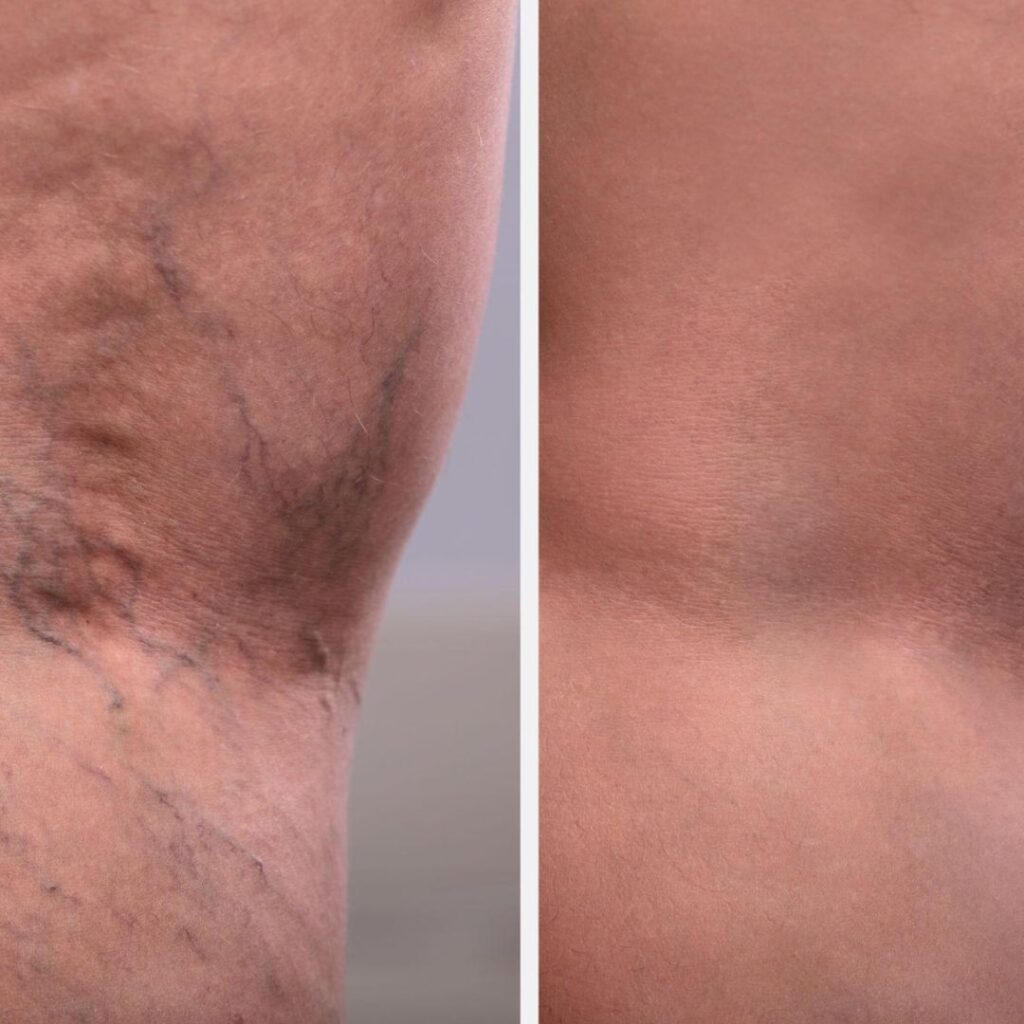
3. Support for Tissue Healing and Detoxification
When stagnant blood is removed, fresh circulation improves nourishment of surrounding tissues. This supports:
- Faster healing of chronic wounds
- Reduction in skin congestion
- Improved skin tone in selected cosmetic concerns
- Relief in inflammatory joint discomfort
However, unlike temporary treatments that suppress surface symptoms, Raktamokshana influences circulation directly, addressing a key contributor to chronic inflammatory patterns.
How Raktamokshana Benefits Different Health Conditions
Raktamokshana helps conditions linked to inflammation, poor circulation, excess heat, or stagnant blood. When these imbalances persist, symptoms tend to return even after short-term relief. By improving microcirculation and releasing vitiated blood, Raktamokshana supports long-term comfort in the following areas:
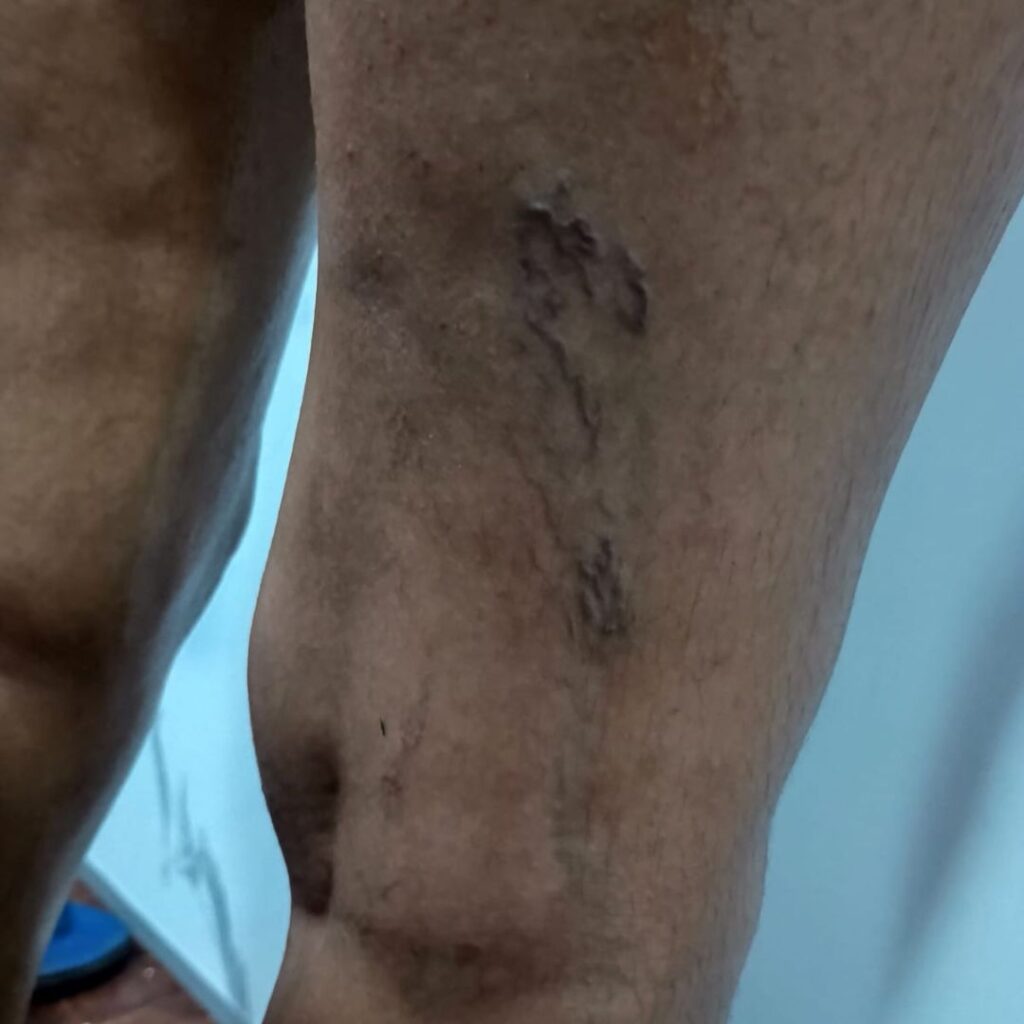
Varicose Veins, Spider Veins & Venous Congestion
Helps reduce heaviness, swelling, visible vein bulging, venous pressure, and warmth in the legs by improving drainage.
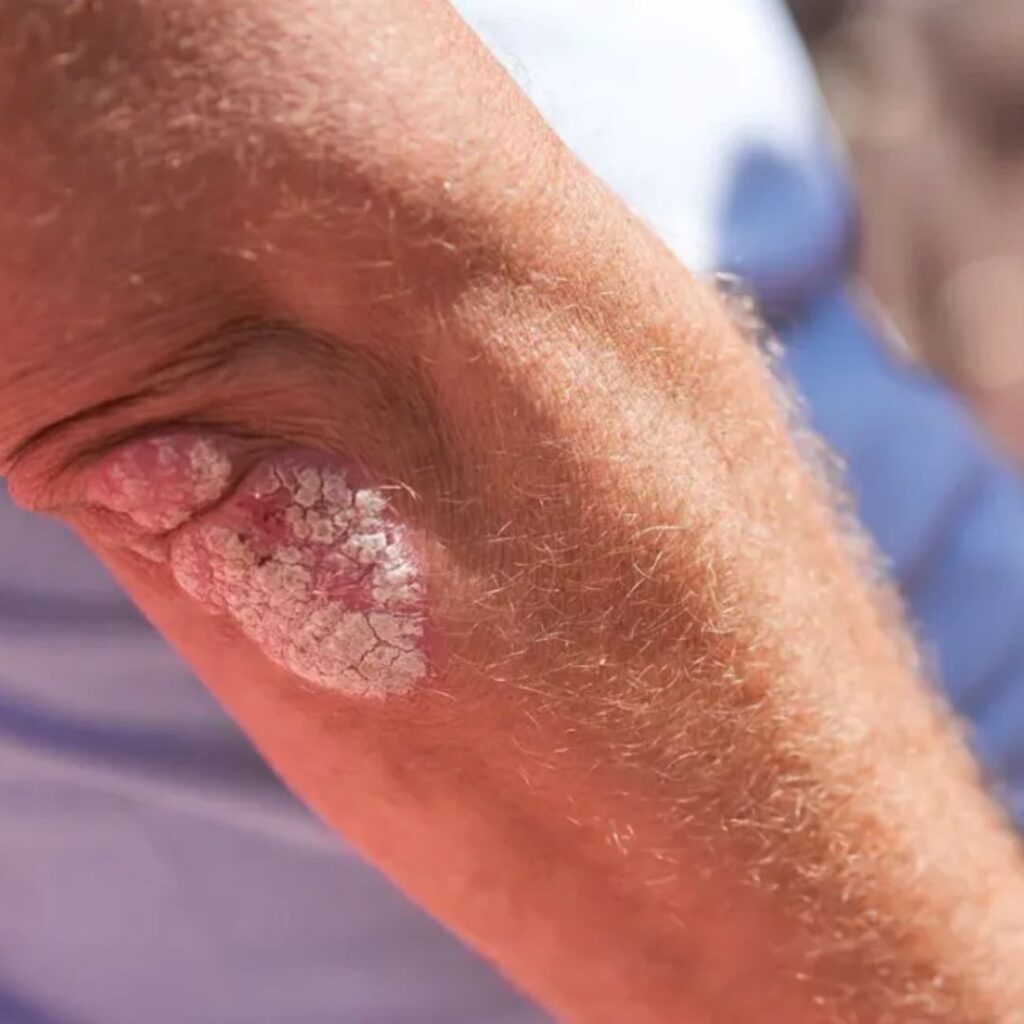
Psoriasis, Eczema & Chronic Dermatitis
Supports relief from redness, itching, thick plaques, and heat-based flare-ups caused by Rakta imbalance.
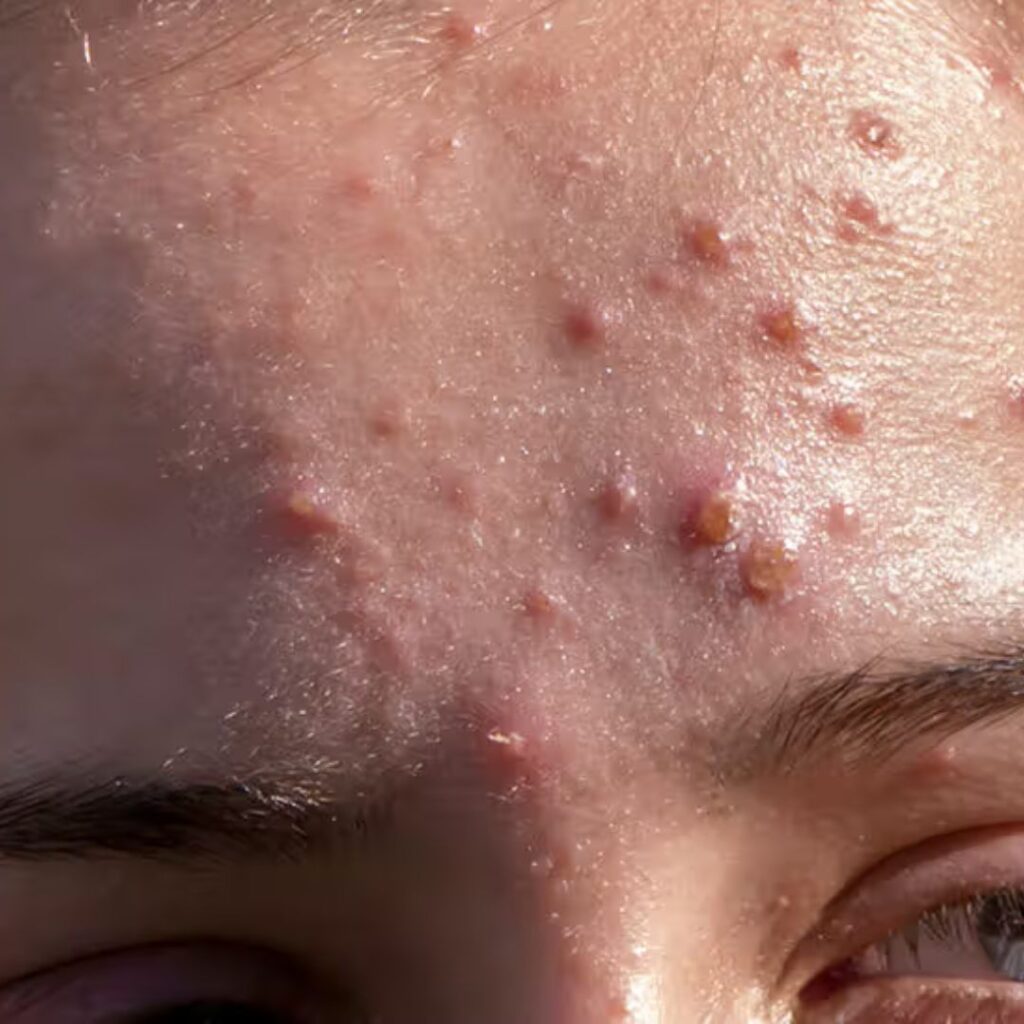
Acne, Recurrent Boils & Follicular Congestion
Useful in deep acne, repeated boils, folliculitis, and congestion that worsen due to trapped heat and stagnation.
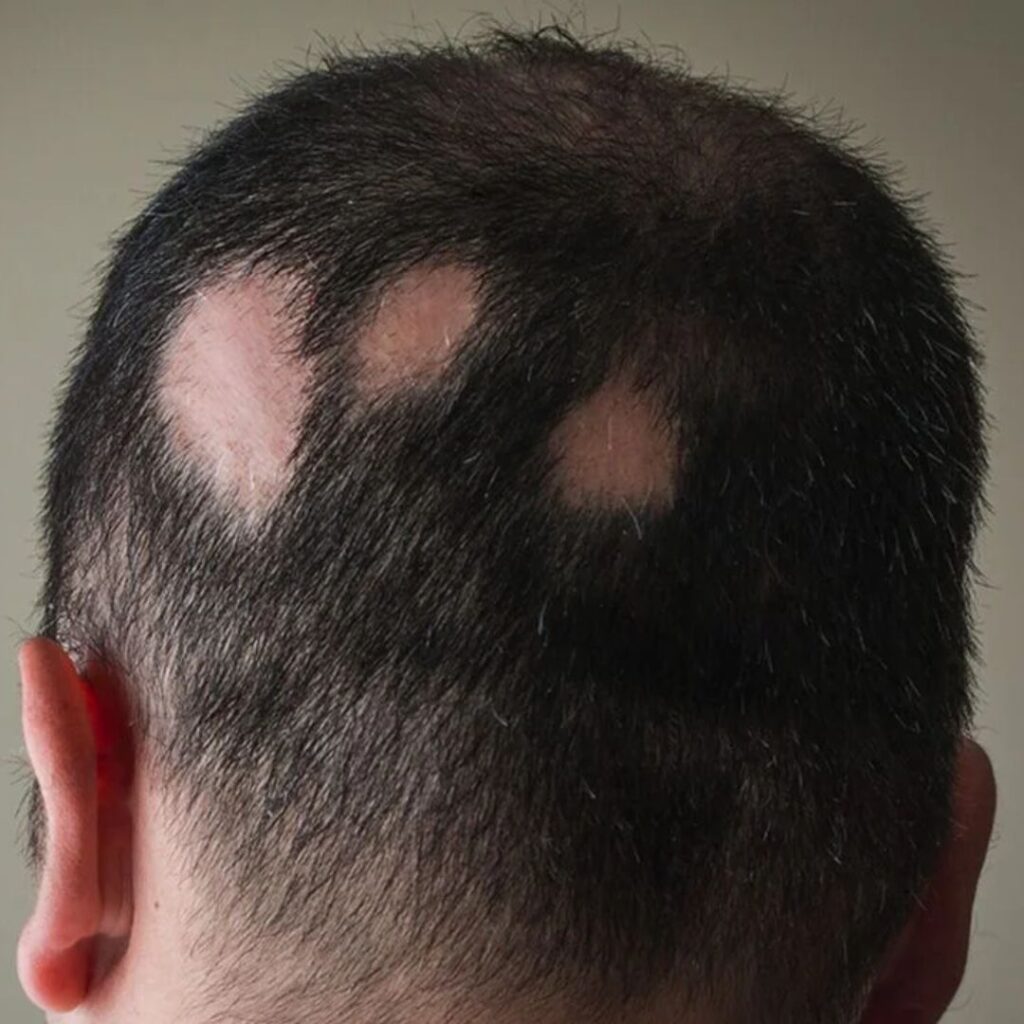
Scalp & Facial Inflammatory Conditions
Supports conditions like alopecia areata, inflammatory scalp patches, forehead heat congestion, facial redness, and other circulation-linked skin issues.
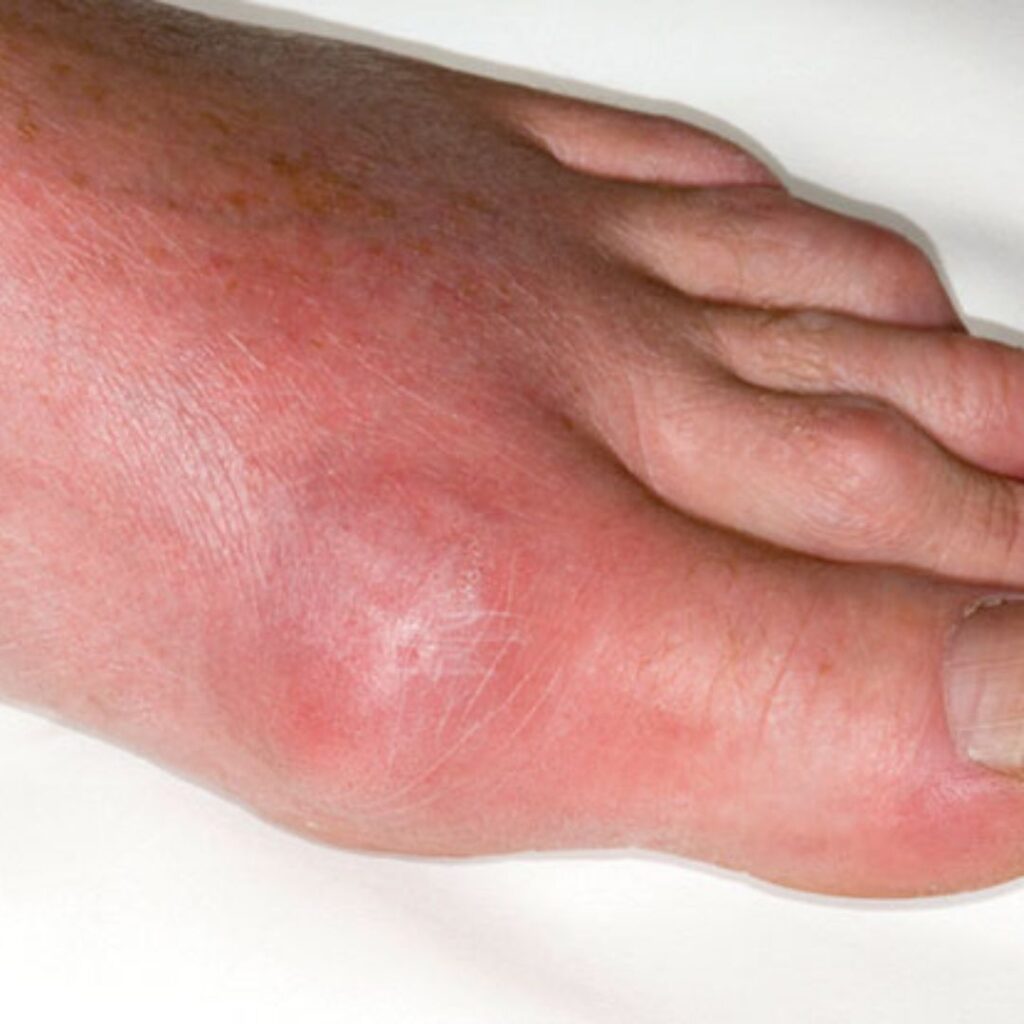
Gout (Vatarakta) & Inflammatory Joint Swelling
Helps ease pain, redness, burning, and swelling during gout episodes or inflammatory joint conditions.
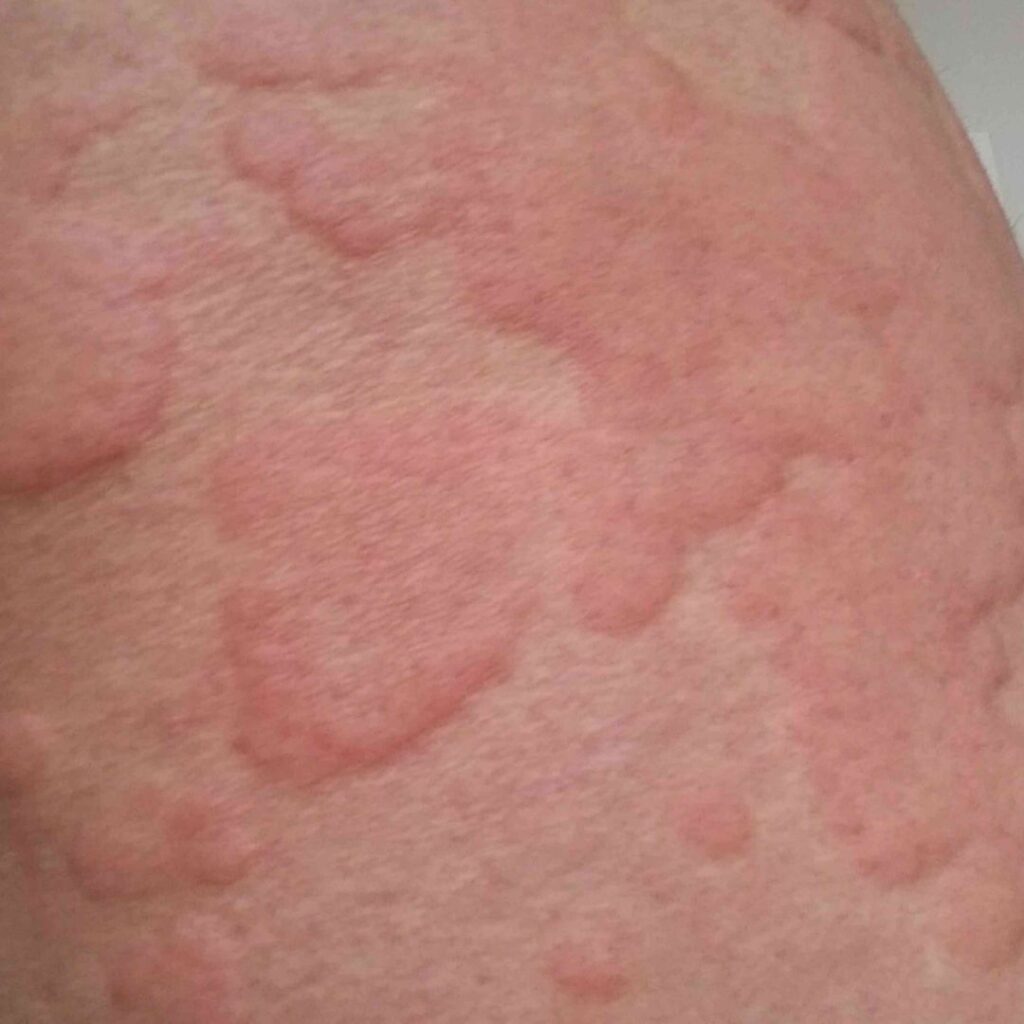
Localized Swelling, Heat Patches & Stasis-Related Skin Issues
Helps improve areas with edema, heat accumulation, darkened patches, or chronic inflammatory spots.
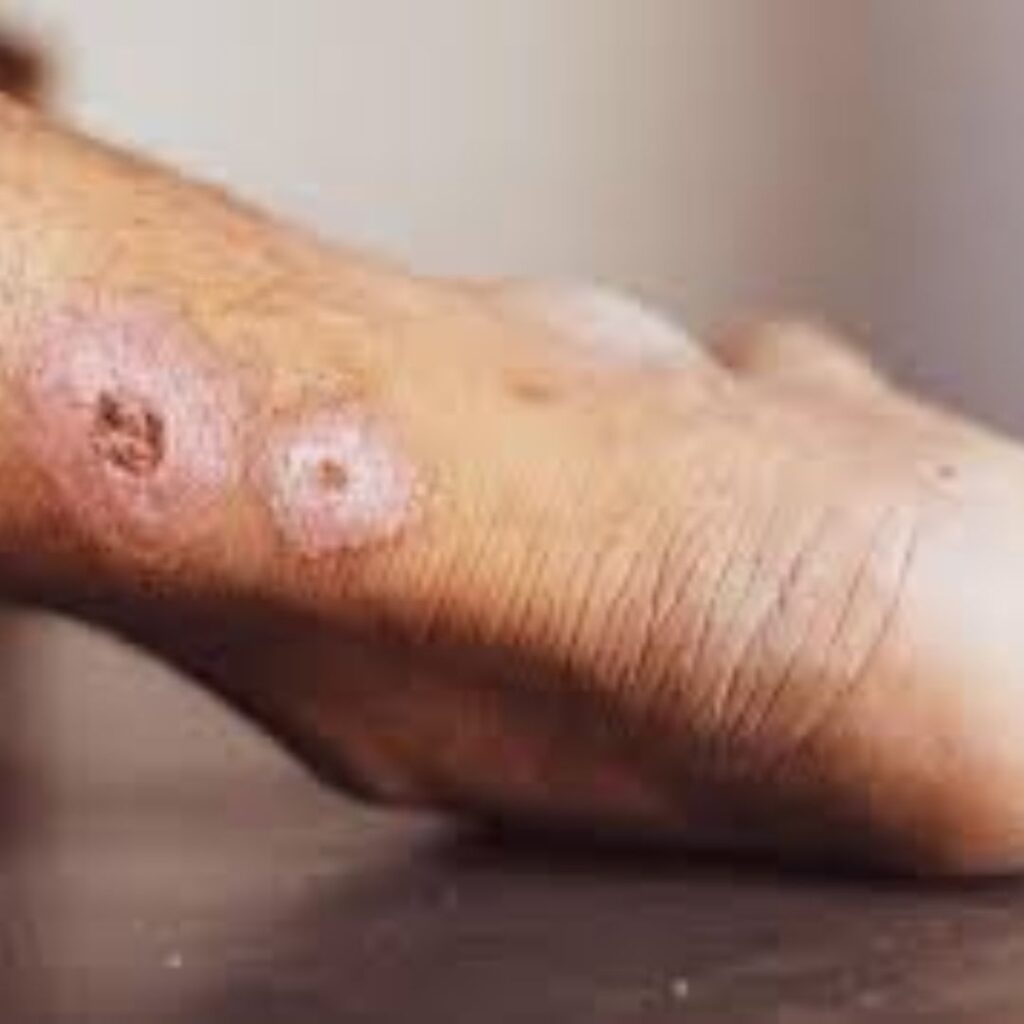
Chronic Non-Healing Wounds & Poor Peripheral Circulation
Supports oxygenation and blood flow in slow-healing tissue areas such as venous ulcers or pressure-prone zones.
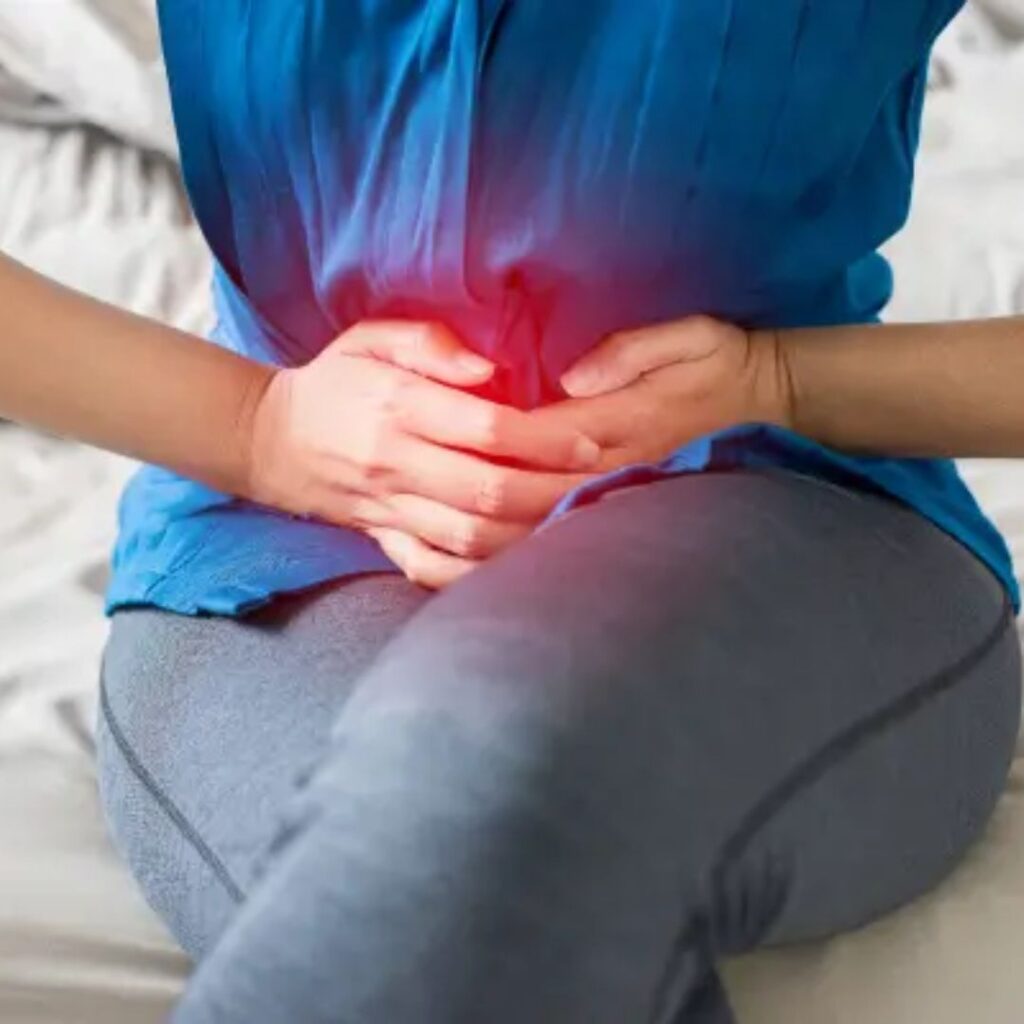
Endometriosis, Adenomyosis & Pelvic Congestion
May help reduce pain, heat, and congestion in pelvic conditions where inflammation and stagnation intensify symptoms.
Raktamokshana Benefits According to Ayurveda
Ayurveda describes Raktamokshana as a therapy that restores balance by purifying Rakta Dhatu, calming aggravated Pitta, and clearing accumulated Ama from the circulatory channels. Rather than targeting symptoms alone, it encourages deeper harmony in tissues that tend to collect heat, congestion, or stagnation. Here are the key Ayurvedic benefits associated with this classical therapy:
Rakta Shuddhi (Blood Purification)
Raktamokshana supports natural purification of Rakta Dhatu, helping reduce internal heat and improving the overall quality of blood.

Pitta Shamana (Heat & Inflammation Regulation)
The therapy helps pacify aggravated Pitta, easing tendencies toward burning sensations, redness, and heat accumulation in various tissues.
Srotoshodhana (Channel Cleansing)
By releasing stagnated or vitiated blood, Raktamokshana helps clear blocked Rakta Vaha Srotas, promoting smoother movement of nutrients and oxygen.

Vata-Pitta Balance in Peripheral Tissues
Localized congestion often disturbs both Vata (movement) and Pitta (heat). Raktamokshana helps restore this balance, supporting more comfortable tissue function.

Improved Twak & Mamsa Dhatu Health
Clearer circulation supports nourishment of Twak (skin) and Mamsa Dhatu (muscle tissue), helping maintain healthier tone and resilience.
Reduction of Ama Accumulation
Where stagnant blood is present, Ama tends to collect. Raktamokshana encourages its removal, supporting lighter, cleaner, and more balanced tissue activity.
Leech Therapy in Ayurveda (Jalaukavacharana)
Leech Therapy in Ayurveda is a gentle and targeted form of Raktamokshana used when heat, inflammation, or stagnation is limited to one area of the body. In such cases, Rakta and Pitta often accumulate locally. When the leech attaches, it slowly draws out stagnated blood and releases natural enzymes that cool, soothe, and improve circulation. Because of this precise action, many leech therapy benefits are seen in vascular issues, inflamed skin patches, and local congestion.
Why Ayurveda Uses Leeches
Ayurveda recommends leeches only after checking the depth and location of the imbalance. They work slowly, act only at the affected site, and help reduce congestion, warmth, and pressure without stressing the body. This makes the treatment useful for conditions that respond best to gentle, localized detoxification. Because the method is gentle and localized, most leech therapy side effects remain minimal when used on the right area and with proper supervision.
What Happens During Leech Therapy
The practitioner first evaluates the area and cleans the skin. A medicinal leech is then placed on the selected spot and allowed to attach naturally. As it feeds, it removes a small amount of stagnated blood while improving local circulation. After it detaches, the area is cleaned, dressed, and observed briefly. Medically approved leeches and strict hygiene standards keep the process safe and controlled.
How It Differs from Other Raktamokshana Methods
Leech Therapy in Ayurveda works slowly and at a single region, unlike Siravedha, which removes blood through a vein for systemic issues, or Prachanna, which releases very superficial stagnation. Jalaukavacharana is chosen when the goal is precise, gentle action guided by clinical reasoning.
Leech Therapy Side Effects & Safety Considerations
Leech Therapy in Ayurveda is usually well tolerated when trained practitioners perform it. Most leech therapy side effects are mild and temporary. Some people notice slight oozing, redness, or light swelling for a few hours because leeches release natural substances that keep the area open for better circulation. These effects settle on their own in most cases.
Proper screening helps prevent complications. People with severe anemia, bleeding disorders, pregnancy, or uncontrolled systemic illness may be advised to avoid the therapy. Because we use medically approved leeches and follow strict hygiene standards, the procedure stays safe and comfortable. Clear aftercare instructions are also provided to support smooth recovery.
Raktamokshana & Leech Therapy in Delhi at DNAveda – Our Treatment Framework
Raktamokshana requires thorough assessment, clinical judgment, and precise execution. At DNAveda, we offer Leech Therapy in Delhi as part of a structured Raktamokshana framework, ensuring that every procedure—whether Jalaukavacharana, Siravedha, or Prachanna—is selected only after understanding the patient’s symptoms, strength, and circulatory imbalance. This individualized approach helps deliver the right raktamokshana benefits safely and avoids unnecessary or routine procedures, keeping patient comfort and clinical reasoning at the center of treatment.

Individualized Clinical Evaluation
We assess each case through a detailed Ayurvedic examination to confirm whether Rakta involvement is present. Dosha balance, disease stage, strength, and overall health status are evaluated before recommending therapy. This ensures that bloodletting procedures are advised only when clinically appropriate.

Condition-Specific Method Selection
Our doctors select Jalaukavacharana, Siravedha, or Prachanna based on the nature and depth of the condition. Localized vascular congestion requires a different approach than systemic inflammatory imbalance. Therefore, we choose the method based on therapeutic need rather than routine preference.

Strict Hygiene and Procedural Standards
Leech Therapy in Delhi at DNAveda follows controlled hygiene protocols. We use medically approved leeches, and proper site preparation, monitoring, and dressing techniques are maintained. Moreover, our clean clinical settings and supervised handling help reduce procedural risks.

Integration with Broader Treatment Planning
Raktamokshana is aligned with dietary correction, herbal formulations, and lifestyle guidance. Addressing digestion, metabolism, and dosha balance supports better outcomes and reduces recurrence risk in chronic inflammatory conditions.

Clear Pre-Procedure and Aftercare Guidance
Patients receive clear explanations about the procedure, expected responses, and aftercare instructions. Structured guidance supports smoother recovery and informed participation in the treatment process.

Responsible Recommendation and Ethical Practice
We advise Raktamokshana only when it is truly needed and likely to help your condition. The focus stays on clinical necessity, not repeated procedures, so the therapy remains safe and responsible.
Take the Next Step Toward Better Circulation with DNAveda
If you are experiencing recurring skin disorders, varicose discomfort, or inflammatory conditions where blood involvement may be present, a proper Ayurvedic evaluation can help determine whether Raktamokshana is appropriate.
At DNAveda, Leech Therapy in Delhi and other Raktamokshana procedures are advised only after structured clinical assessment. The focus remains on suitability, safety, and long-term management.
Book a consultation to understand the right approach for your condition.
Frequently Asked Questions (FAQs)
How is Panchakarma Raktamokshana done?
Panchakarma Raktamokshana is performed after assessing Rakta Dhatu (blood tissue) involvement. Depending on the condition, one of three methods is selected: Jalaukavacharana (leech application), Siravedha (controlled venesection), or Prachanna (superficial scarification). The procedure is done under hygienic supervision, and only a measured amount of blood is removed. Post-procedure care includes dressing and monitoring to ensure safe recovery.
What are the side effects of Raktamokshana?
Side effects of Raktamokshana are usually mild and temporary. Some individuals may experience slight swelling, localized tenderness, redness, or minimal bleeding depending on the method used. Proper screening reduces risks. People with anemia, bleeding disorders, or serious systemic illness may not be suitable candidates for the procedure.
What is the best season for Raktamokshana?
In classical Ayurveda, Raktamokshana is often advised when Pitta dosha is aggravated, typically after summer. However, in clinical practice, timing depends more on the patient’s health status and severity of symptoms rather than season alone. The therapy may be performed year-round when medically indicated.
Is Raktamokshana good for varicose veins?
Raktamokshana, especially Jalaukavacharana (Leech Therapy in Ayurveda), may help in cases of varicose veins associated with venous congestion and inflammation. It can support local circulation and reduce heaviness in selected cases. It is not a substitute for surgical treatment in advanced vascular disease.
Why is Raktamokshana important?
Raktamokshana benefits are linked to correcting blood vitiation that contributes to chronic inflammation, skin disorders, and vascular congestion. In Ayurveda, impure Rakta can aggravate Pitta and cause recurrent flare-ups. Addressing this imbalance may support long-term symptom control rather than temporary relief.
How are leeches used in Ayurvedic treatment?
In Leech Therapy in Ayurveda, medicinal leeches are applied to a localized area of congestion or inflammation. The leech attaches naturally and removes a small amount of blood while releasing bioactive substances that improve microcirculation. The site is then cleaned and dressed under hygienic conditions.
What conditions may benefit from leech therapy?
Leech therapy benefits are commonly observed in conditions involving localized blood stagnation and inflammatory swelling. These may include varicose veins, psoriasis patches, eczema, gout flare-ups, and inflammatory acne. Suitability depends on proper clinical evaluation.
What are the side effects of leech therapy?
Leech therapy side effects are generally mild. Temporary oozing from the site, slight swelling, or tenderness may occur. Most leech therapy side effects resolve with basic aftercare. Careful screening minimizes complications.
Who should not use leech therapy?
Leech therapy may not be suitable for individuals with severe anemia, hemophilia, uncontrolled diabetes, pregnancy, or compromised immunity. Patients on anticoagulant medication require careful evaluation before considering the procedure.
How painful is leech therapy?
Leech therapy usually causes minimal discomfort. Patients may feel a mild prick during attachment, followed by slight pressure. The intensity varies but is generally tolerable and short-lived.
How long does leech therapy take?
A leech therapy session typically lasts 20–45 minutes. The leech remains attached until it detaches naturally. Preparation and dressing may extend the session slightly.
How much blood is removed during leech therapy?
The amount of blood removed is limited and controlled. A single leech draws a small quantity, and mild oozing may continue briefly after removal. Significant blood loss does not occur when performed properly.
What happens to the leech after treatment?
After the procedure, the leech is removed following hygiene protocols. In many clinical settings, leeches are not reused for other patients to prevent cross-infection and maintain safety standards.
Can leech therapy cause blood clots?
Leech therapy does not typically cause blood clots. Leeches release substances that support smoother blood flow in the treated area. Pre-procedure evaluation ensures patient safety.
Is leech therapy safe?
Leech Therapy in Ayurveda is considered safe when performed under trained supervision with proper hygiene. Appropriate patient selection significantly reduces risks.
Is leech therapy helpful for acne?
Leech therapy may be considered in inflammatory acne with localized congestion. It is not suitable for all acne types and requires clinical assessment before recommendation.
What is the cost of leech therapy in India?
The cost of Leech Therapy in Delhi and other parts of India varies depending on the clinic, number of sessions, and condition severity. A consultation helps determine individualized treatment planning and pricing.
Is leech therapy FDA approved?
Leech therapy has recognized medical use in certain surgical settings internationally. In Ayurveda, it is practiced under traditional medical frameworks and clinical supervision. Regulatory approval varies by country.
Address
D58, near Kaushambi Metro Station, Anand Vihar, Kaushambi, Ghaziabad, Uttar Pradesh 201010
Call Us
+919625554890
Email Us
ayurvedadna@gmail.com