
Ayurveda and Mental Health: The Core of Emotional & Psychological Wellness
When the mind feels restless, heavy, unstable, or emotionally drained, clarity becomes difficult. Many people come to DNAveda after trying temporary solutions and wanting real, long-term relief from anxiety, low mood, irritability, poor sleep, or emotional imbalance. This is where the connection between Ayurveda and Mental Health becomes truly transformative.
In Ayurveda, mental suffering is explained through imbalances in subtle systems that influence thoughts and emotions — doshas like Vata (anxiety, panic, overthinking), Pitta (irritability, frustration), Kapha (depression, heaviness); gunas such as Sattva, Rajas, Tamas; and pathways like Manovaha Srotas, Agni, and Ojas. When even one of these shifts, the entire mind–emotion system is affected.
Instead of telling you to “calm down,” Ayurveda identifies why the mind behaves the way it does — whether anxiety comes from Vata overload, anger from Pitta imbalance, or emotional heaviness from Kapha–Tamas dominance.
Once the real cause is clear, healing naturally becomes faster and more stable. Many people seeking lasting relief turn to the best ayurvedic treatment for psychiatric problems because they want correction at the root, not symptom suppression.
At DNAveda, this clarity guides every treatment plan, helping you achieve better sleep, reduced stress, emotional stability, sharper focus, and a calmer nervous system. Your healing begins with understanding your unique imbalance — so you finally get the answers you’ve been searching for.
For those struggling with ongoing stress, emotional instability, or sleep disturbances, personalised Ayurvedic guidance can help restore calm, clarity, and long-term mental balance.
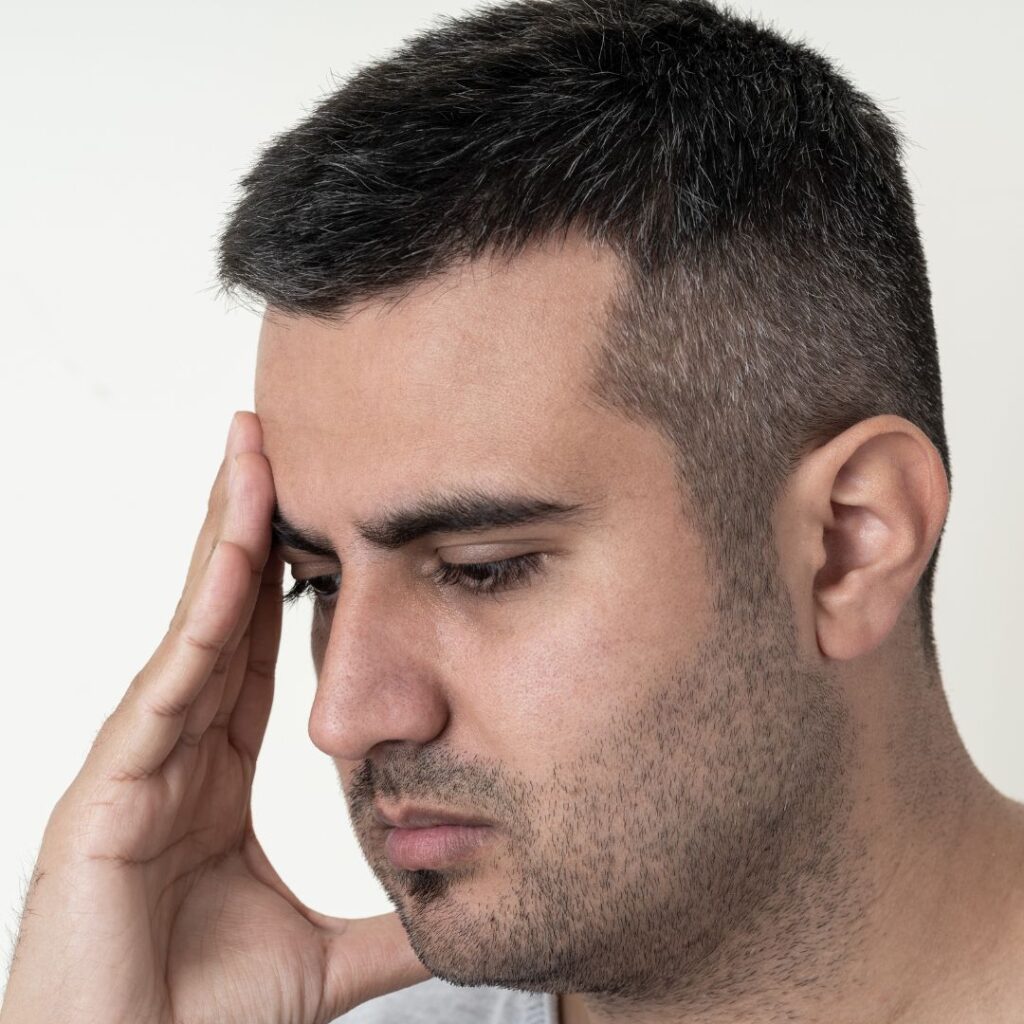

Difference Between Mental and Emotional Health: Why It Matters for Your Healing
Many people feel mentally overwhelmed on some days and emotionally drained on others. Understanding the Difference Between Mental and Emotional Health helps you pinpoint what’s actually going wrong and what kind of support you need.
Mental health affects your thoughts — clarity, focus, memory, decision-making, and how stable or scattered your mind feels. When disturbed, it often leads to overthinking, confusion, difficulty concentrating, or constant mental fatigue.
Emotional health affects your feelings — mood, reactions, resilience, and how intensely situations impact you. When this becomes imbalanced, people may feel heavy, irritated, low, overwhelmed, or emotionally sensitive without clear reasons.
Therefore, knowing the Difference Between Mental and Emotional Health is essential because both don’t always get disturbed together. In fact, this clarity also supports the Classification of Mental Disorders, helping you see whether your imbalance comes from thinking patterns or emotional pathways. You may think clearly but feel emotionally low, feel emotionally fine but mentally restless, or experience both together.
From an Ayurvedic perspective, your disturbance may be mental, emotional, or a mix of both by observing Vata, Pitta, Kapha, and your mind’s stress response. This helps DNAveda choose treatments that match your exact imbalance instead of giving generic solutions. Along with treatment, Healthy Habits for Mental Health keep both sides of the mind–emotion system aligned. Once you know which part of your inner system needs support, healing becomes clearer, more personalised, and far more effective.
Symptoms That Show the Difference Between Mental and Emotional Health
Mental and emotional difficulties usually become noticeable when they begin affecting your daily life, concentration, relationships, or sense of inner stability. As a result, many people start exploring the best ayurvedic treatment for psychiatric problems to understand what their mind is going through and why their inner system feels off balance.

Key Mental Symptoms
- Ongoing overthinking or a restless mind
- Difficulty staying focused or processing thoughts
- Mental tiredness that doesn’t improve with rest
- Feeling confused or unable to make decisions

Key Emotional Symptoms
- A lingering sense of sadness or emotional heaviness
- Irritability or sudden emotional reactions
- Mood dips without clear triggers
- Feeling emotionally low or disconnected

Key Mind–Body Symptoms
- Trouble sleeping or waking up repeatedly
- Chest tightness or palpitations during stress
- Digestive discomfort linked to emotions
- Feeling tired despite adequate sleep
Causes of Mental & Emotional Imbalance According to Ayurveda and Mental Health Science
In most Cases, mental and emotional issues don’t appear suddenly — they build up over time. Most people who reach a breaking point are actually experiencing months or even years of accumulated stress, emotional strain, and internal imbalance. Understanding the real causes helps you finally make sense of what you’re going through and why symptoms keep repeating.
This traditional system explains these causes through the lens of DNAveda’s root-cause approach, which connects thoughts, emotions, lifestyle, hormones, digestion, and nervous system responses. This connection is what makes ayurveda and mental health deeply relevant for people seeking long-term healing.
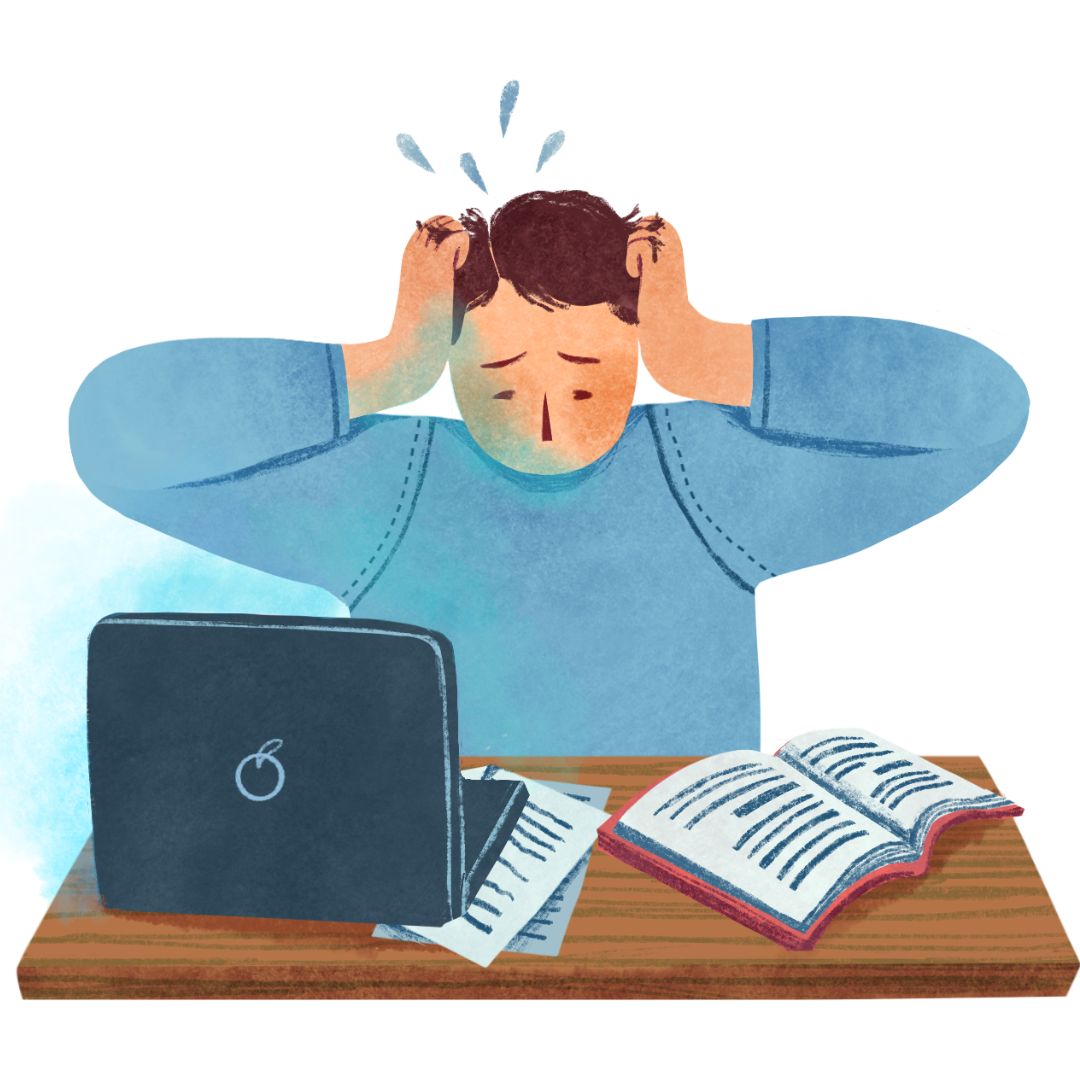
Stress, Overload & Life Pressures
Daily responsibilities, digital strain, and major life events like breakups or long-term caregiving push the nervous system into hyper-alertness. Over time, this leads to anxiety, irritability, and disturbed sleep.

Unprocessed Emotions & Emotional Under-Nourishment
Emotions like anger, grief, guilt, or disappointment don’t disappear when ignored. Combined with lack of sunlight, grounding, or emotional nurturing, they settle into the mind as heaviness or mood instability.

Disrupted Daily Rhythm & Social Imbalance
Irregular sleep, late nights, skipping meals, loneliness, or constant mental input disturb hormonal and circadian balance. This weakens emotional resilience and disrupts mental clarity.

Hormonal & Neurochemical Shifts
Fluctuations in cortisol, serotonin, thyroid hormones, or reproductive hormones can affect mood, motivation, energy, and emotional stability.
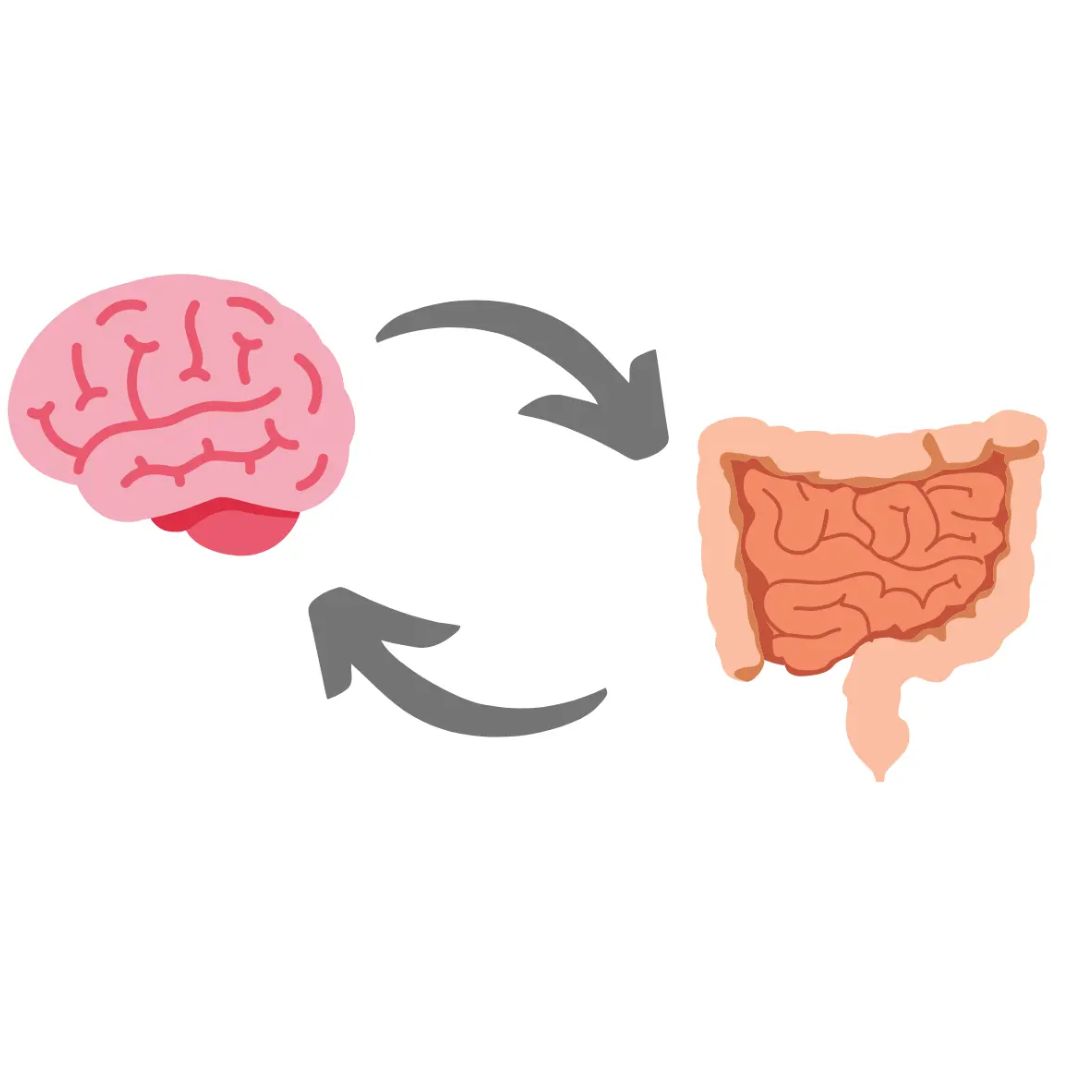
Digestive Imbalance & Gut–Brain Stress
When digestion weakens, toxins accumulate and disturb the gut–brain pathway — one of the hidden causes of anxiety, irritability, and mood swings.
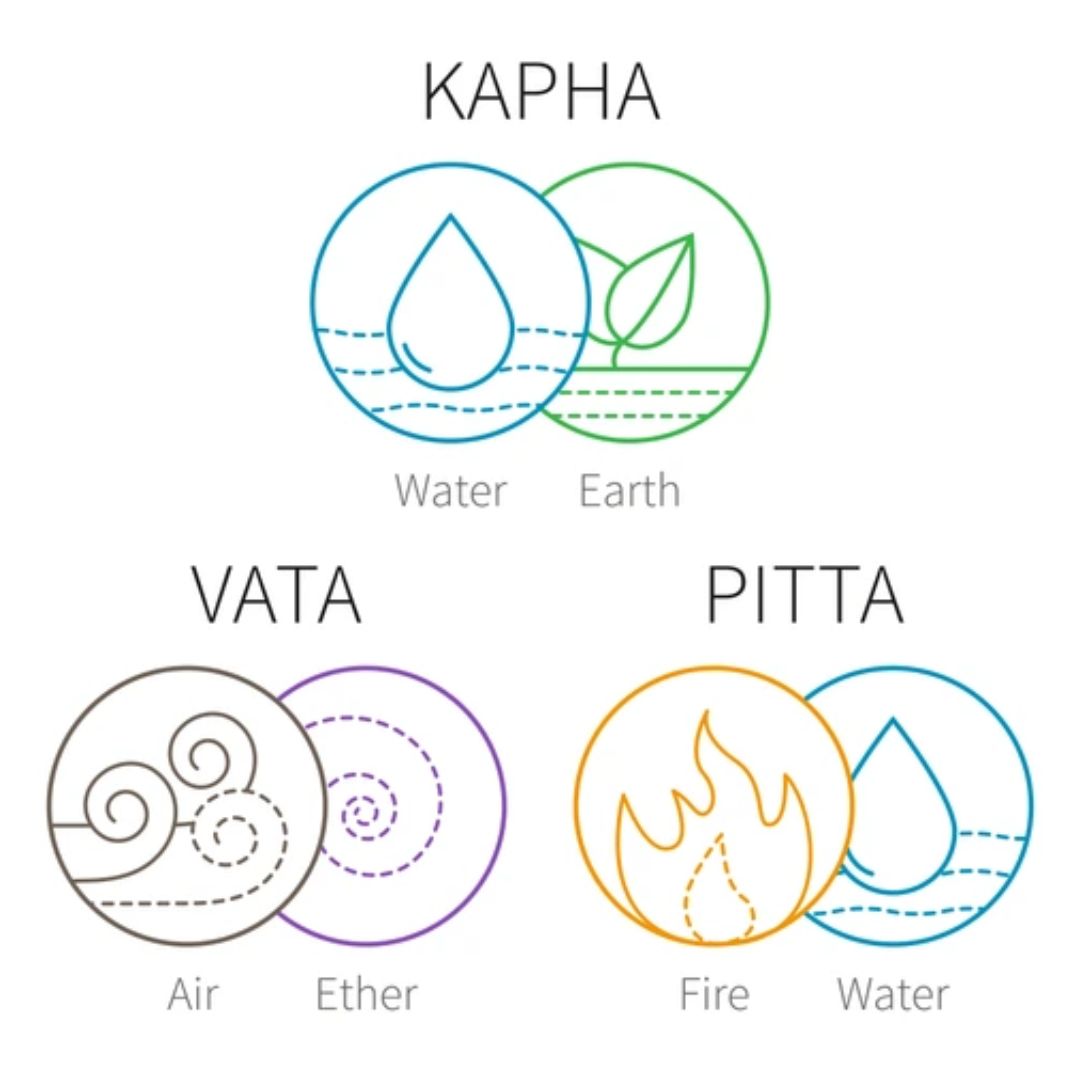
Vata, Pitta & Kapha Disturbances
Every mental symptom follows an Ayurvedic pattern: Vata → anxiety, panic, restlessness; Pitta → anger, frustration, intensity; Kapha → sadness, heaviness, low drive
Classification of Mental Disorders & Key Conditions We Treat at DNAveda
Understanding the classification of mental disorders helps you identify which pattern your challenges belong to. Ayurveda combines dosha–guna imbalance with nervous-system behavior to categorise conditions clearly and personalise treatment. Below are the three major mind–emotion imbalance groups treated at DNAveda, each representing a different mental–emotional pattern rather than repeating symptoms.

Anxiety, Stress & Sleep Disorders
This group reflects a hyperactive mind and sensitive nervous system. The person often feels “switched on” even when trying to relax, which Ayurveda links to Vata imbalance affecting Prana Vata.
Common patterns: busy or jumpy mind, quick stress reactions, difficulty calming down, fluctuating energy, and trouble “switching off.”
These conditions respond well to grounding and nervous-system–soothing Ayurvedic therapies.

Depression & Bipolar Disorders (Emotional Imbalance)
Here, emotional energy becomes heavy, stagnant, or unpredictable. Ayurveda associates this with Kapha–Tamas dominance and occasional Pitta surges that intensify mood swings.
Common patterns: low emotional energy, reduced motivation, slow thoughts, inconsistent mood, and delayed emotional responses.
Treatment focuses on re-activating emotional flow, improving mental brightness, and stabilising mood cycles.

Hypertension & Mind–Body Connection Disorders
These conditions appear when emotions strongly influence physical reactions, especially circulation and blood pressure. Ayurveda links this to disturbances in Prana Vata, Sadhaka Pitta, and Vyana Vata.
Common patterns: emotional triggers affecting BP, tension in the head or chest, heat build-up, stress-linked palpitations, and sleep affecting BP stability.
Healing requires balancing both emotional pathways and circulatory function together.
Best Ayurvedic Treatment for Psychiatric Problems: DNAveda’s Root-Cause Healing
When the mind feels unsteady—whether through anxiety, low mood, irritability, or emotional fatigue—it often reflects a deeper imbalance in your body’s internal systems. Therefore, many people seekmany people seek the best ayurvedic treatment for psychiatric problems, because Ayurveda focuses on correcting these root causes rather than only easing symptoms. At DNAveda, treatment is guided by classical principles that stabilise the mind, strengthen emotions, and restore inner balance.
Manovaha Shuddhi (Cleansing Mental Pathways)
Mental strain and emotional overload can block the mind’s internal channels. Clearing these pathways helps thoughts settle, reduces internal pressure, and restores a sense of calm.
Agni Deepana (Strengthening Digestive Fire)
Weak digestion creates toxins that cloud clarity and mood. Strengthening Agni supports a clearer mind, steadier emotions, and improved energy.

Dosha Shamana (Balancing Mind Doshas)
Anxiety, irritability, or emotional heaviness arise when Vata, Pitta, or Kapha dominate the mind. Balancing these doshas restores mental steadiness and reduces recurring patterns.
Medhya Rasayana (Nourishing the Mind)
Herbs like Brahmi, Shankhpushpi, and Jatamansi strengthen memory, calm the nervous system, and enhance emotional resilience over time.
Sattvavajaya (Cultivating Mental Harmony)
By increasing Sattva—the quality of clarity and calmness—this approach reduces restlessness, stabilizes emotions, and supports a peaceful mental baseline.

Aahara–Vihara & Mind Therapies (Lifestyle & Nervous System Reset)
Balanced daily routines, steady sleep, mindful habits, and calming therapies like Shirodhara or Nasya help stabilise the nervous system and support long-term mental balance.
Healthy Habits for Mental Health: Ayurveda’s Daily Practices
Ayurveda explains that the mind becomes steadier when your daily routine protects the nervous system, digestion, and emotional pathways. These healthy habits for mental health are simple, practical, and deeply balancing.
- Starting the morning with a calm ritual like quiet breathing, gentle stretching, or sunlight helps regulate Vata and prevents early-morning anxiety.
- Eating warm, sattvic meals at regular intervals stabilises digestion and reduces emotional heaviness or irritability.
- Taking short screen breaks and reducing noisy, overstimulating environments helps protect the senses and calm the mind.
- Maintaining a fixed sleep-wake cycle supports emotional stability, mental clarity, and healthier cortisol rhythms.
- Applying warm oil to the scalp or feet at night promotes deeper sleep and reduces nervous tension, especially in Vata imbalance.
- Spending a few minutes journaling or sitting quietly helps release emotional buildup and improves self-awareness.
- Drinking herbal teas like Brahmi, Jatamansi, or chamomile during stressful periods gently relaxes the mind without dependency.
- Taking short mindful walks, especially in the morning or evening, balances Vata and uplifts mild emotional heaviness.
- Keeping the stomach light at night and avoiding late dinners prevents digestive toxins that can affect mood and sleep.
- Creating a “sensory wind-down” routine—dim lights, slower breathing, silence—signals the nervous system to shift into rest mode.




Why DNAveda Is the Choice for People Seeking the Best Ayurvedic Psychiatrist in India
Mental and emotional challenges need a space where you feel understood—not judged. People searching for the Best Ayurvedic Psychiatrist in India choose DNAveda because we combine classical Ayurvedic mental healing with modern understanding of stress, mood, sleep, and nervous-system behaviour. The result is care that feels gentle, personalised, and genuinely supportive.
Experienced Mental Health Specialists
Clinicians with deep Ayurvedic experience manage anxiety, mood issues, emotional imbalance, sleep concerns, and mind–body disorders with compassionate expertise.

Empathetic Listening & Safe Space
You get the time and comfort to express how you feel without pressure or judgment, helping you feel genuinely understood and supported.

Mind–Emotion–Body Insight
Emotions, digestion, hormones, sleep, and daily habits are evaluated together, making your mental and emotional patterns much clearer.

Authentic Ayurvedic Framework
Your condition is understood through classical Ayurvedic principles that explain how doshas, gunas, Agni, and Ojas influence your mind.

Steady Follow-Ups & Support
You receive consistent follow-ups and thoughtful adjustments that guide your progress with clarity and reassurance.

Ethical, Transparent Care
No exaggerated claims or shortcuts—just honest, respectful care that prioritizes your long-term mental wellbeing.
Begin Your Journey Toward a Calmer, Stronger Mind
Restless thoughts, heavy emotions, or disturbed sleep are signs your inner system needs balance and guided support. If you’ve been searching for direction from the Best Ayurvedic Psychiatrist in India, this is where grounded, steady healing begins.
Ultimately, Ayurveda aligns your mind, emotions, and nervous system at the root level, giving you a gentle path toward feeling lighter, steadier, and more in control of your emotional space.
Book your Ayurvedic consultation today and take your first step toward mental peace and emotional balance.
Frequently Asked Questions (FAQs)
What is the best treatment for mental illness?
The Best Ayurvedic Treatment for Psychiatric Problems focuses on correcting imbalances in Vata, Pitta, and Kapha—the forces that govern thoughts, emotions, and nervous-system activity. Ayurveda uses therapies like Shirodhara, Nasya, Basti, Medhya Rasayana herbs, Sattvavajaya (mind-healing techniques), and structured lifestyle changes to stabilise the mind and restore long-term emotional balance.
Which Ayurvedic medicine is best for mental peace and emotional calmness?
Ayurveda recommends Medhya (mind-enhancing) herbs such as Brahmi, Shankhpushpi, Jatamansi, Vacha, and Ashwagandha. These herbs calm overactive thoughts, improve emotional steadiness, strengthen Ojas, and support deeper sleep—offering gentle, natural mental peace without dependency.
How can I improve my mental health naturally without medication?
You can improve mental wellbeing through Healthy Habits for Mental Health, including a consistent sleep schedule, Sattvic diet, mindful breathing, warm oil application to the scalp or feet, journaling, evening sensory wind-down routines, reducing screen overload, and spending time in sunlight or nature. These daily actions support emotional stability and calm the Vata-driven mental restlessness naturally.
Who is the most famous psychiatrist in India?
India has many respected psychiatrists across modern and traditional systems. People seeking holistic, root-cause-based healing often look for the Best Ayurvedic Psychiatrist in India, someone who integrates classical Ayurvedic principles with modern psychological insights to treat anxiety, mood issues, sleep disturbances, and emotional imbalance.
Can Ayurveda really treat mental health conditions?
Yes. Ayurveda and Mental Health are deeply connected. Ayurveda explains mental disturbances through doshas (Vata–Pitta–Kapha), gunas (Sattva–Rajas–Tamas), digestive fire, Ojas, and mental channels called Manovaha Srotas. By correcting these, Ayurveda treats anxiety, depression, irritability, restlessness, emotional heaviness, overthinking, sleep issues, and stress-related disorders safely and holistically.
What is the difference between mental and emotional stability?
Mental stability relates to clarity, focus, memory, and the ability to think logically. Emotional stability relates to mood, reactions, resilience, and how deeply situations affect you. Understanding the Difference Between Mental and Emotional Health helps identify whether your imbalance originates in thought patterns, emotional responses, or a combination of both.
What are the three mental attributes (gunas) in Ayurveda?
Ayurveda describes the mind through three gunas:
• Sattva — clarity, stability, calm
• Rajas — restlessness, activity, overdrive
• Tamas — dullness, inertia, emotional heaviness
Balanced Sattva creates mental harmony, while excess Rajas or Tamas leads to anxiety, irritability, sadness, or low motivation.
Which concept in Ayurveda relates to psychiatry?
Ayurvedic psychiatry corresponds to Bhuta Vidya, one of Ayurveda’s eight classical branches. It focuses on emotional disturbances, behavioural patterns, mental clarity, and mind–body balance through herbs, therapies, mantras, and lifestyle correction.
What are the four major types of mental disorders?
Common categories include mood disorders, anxiety disorders, psychotic disorders, and neurodevelopmental disorders. Ayurveda aligns these with the Classification of Mental Disorders based on dosha imbalance, guna dominance, dhatu depletion, nervous-system behaviour, and emotional response patterns.
What diet is best for mental health according to Ayurveda?
A Sattvic diet is best for mental and emotional wellbeing. Freshly cooked foods like ghee, fruits, vegetables, warm grains, nuts, herbal teas, and easy-to-digest meals support clarity, calmness, and stable Ojas—the essence responsible for mental strength and emotional resilience.
What foods should be avoided for better mental health?
Avoid stale, cold, fried, fermented, overly spicy, excessively acidic, or packaged foods. These increase Rajas or Tamas, disturb digestion, and contribute to anxiety, irritability, mental fog, and emotional heaviness.
What deficiency causes overthinking or mental restlessness?
Low levels of magnesium, B-vitamins, Omega-3 fatty acids, or iron may contribute to overthinking. Ayurveda adds that Vata aggravation and weakened Ojas are major energetic causes of persistent mental activity, worry, restless sleep, and looping thoughts.
How long does Ayurvedic treatment take for mental health issues?
Treatment duration varies depending on the severity of imbalance. Many people notice improvement within 3–6 weeks, while deeper emotional or nervous-system issues may require 2–4 months for stable progress. Ayurveda focuses on long-term correction rather than quick symptom suppression, ensuring lasting balance.
When should I consult an Ayurvedic mental health specialist?
You should consult an Ayurvedic specialist when symptoms like anxiety, disturbed sleep, irritability, emotional heaviness, overthinking, low motivation, or mind–body stress persist for more than 2–3 weeks. An expert—such as the clinicians at DNAveda—can evaluate your dosha–guna imbalance and guide you toward personalised, root-cause-based healing.
Address
D58, near Kaushambi Metro Station, Anand Vihar, Kaushambi, Ghaziabad, Uttar Pradesh 201010
Call Us
+91 9625554890
Email Us
ayurvedadna@gmail.com